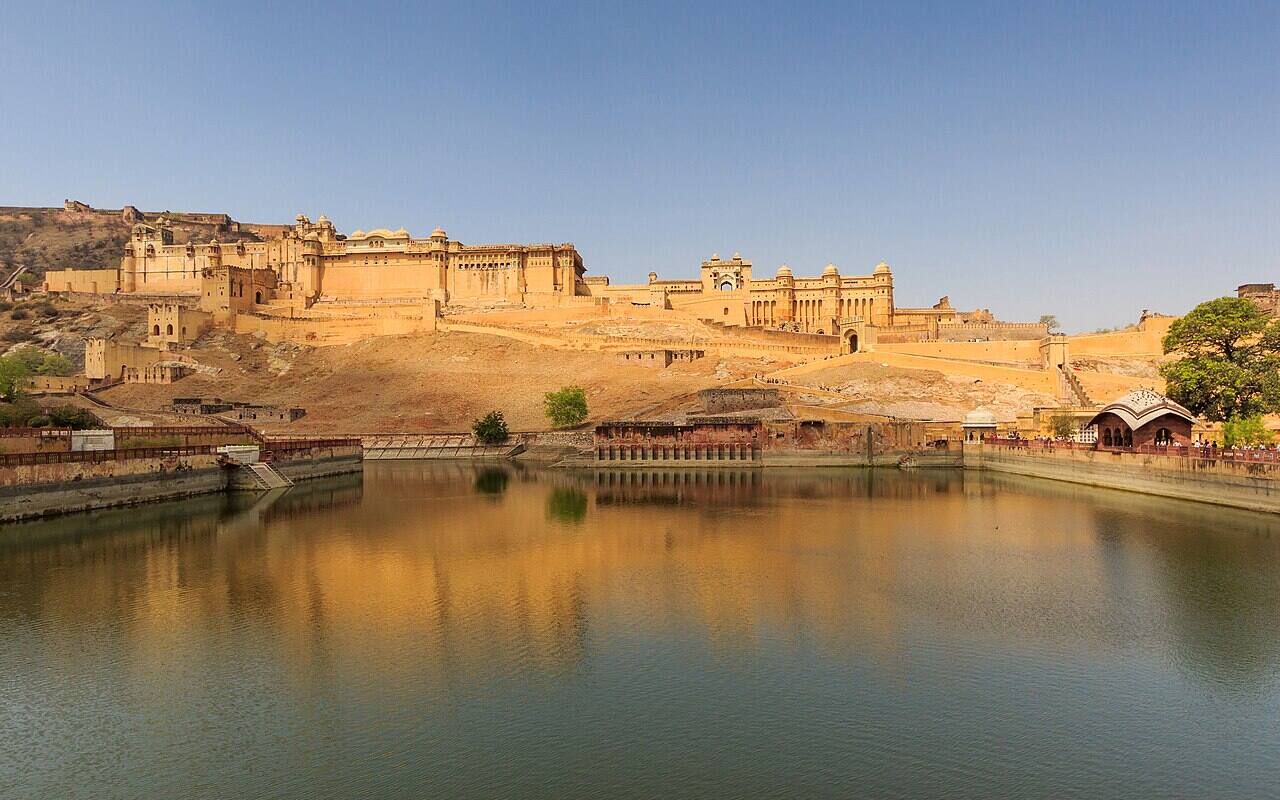
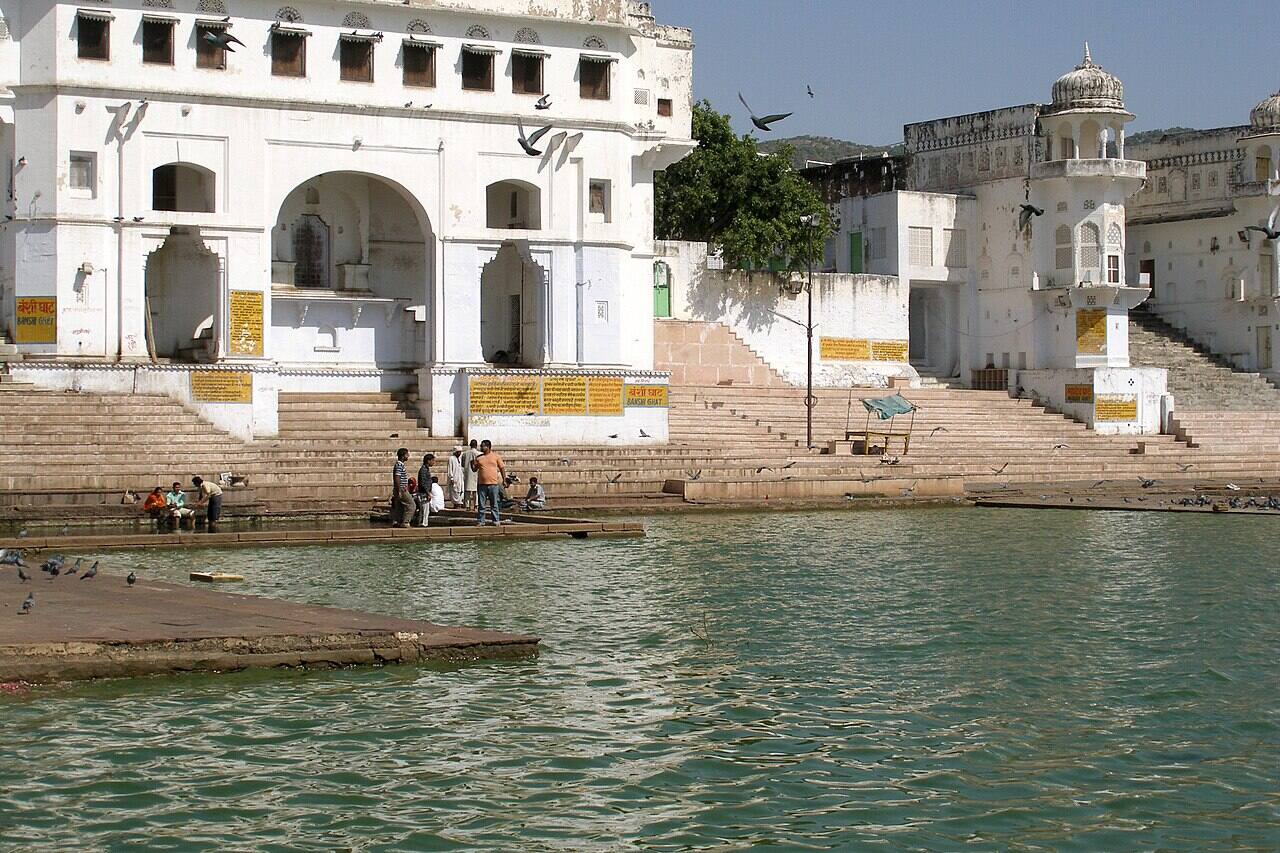
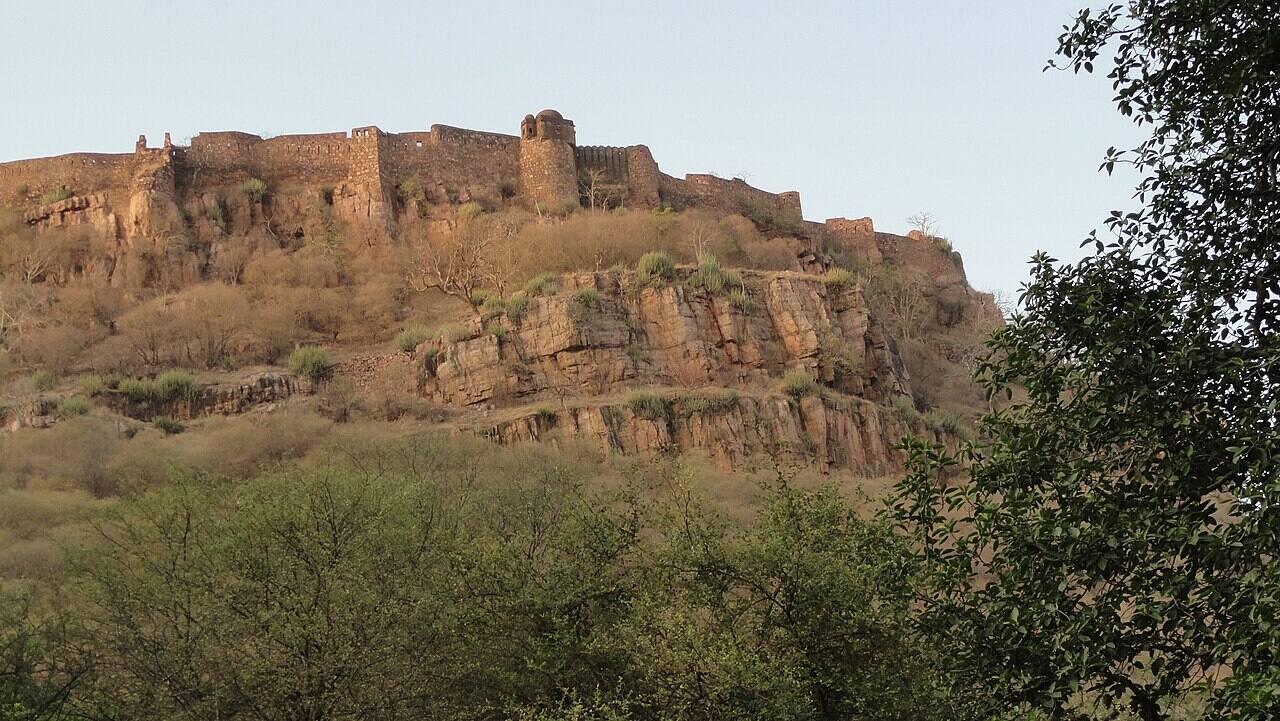
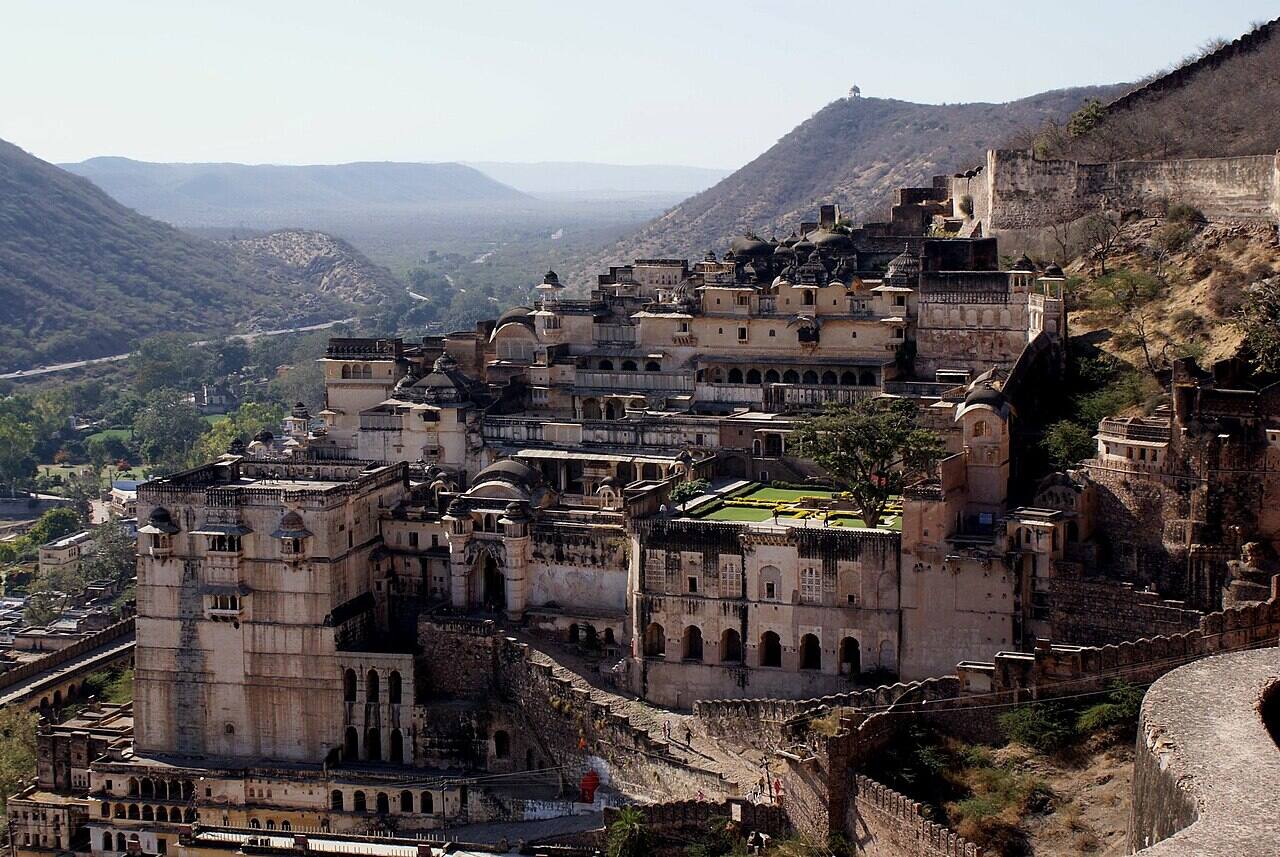
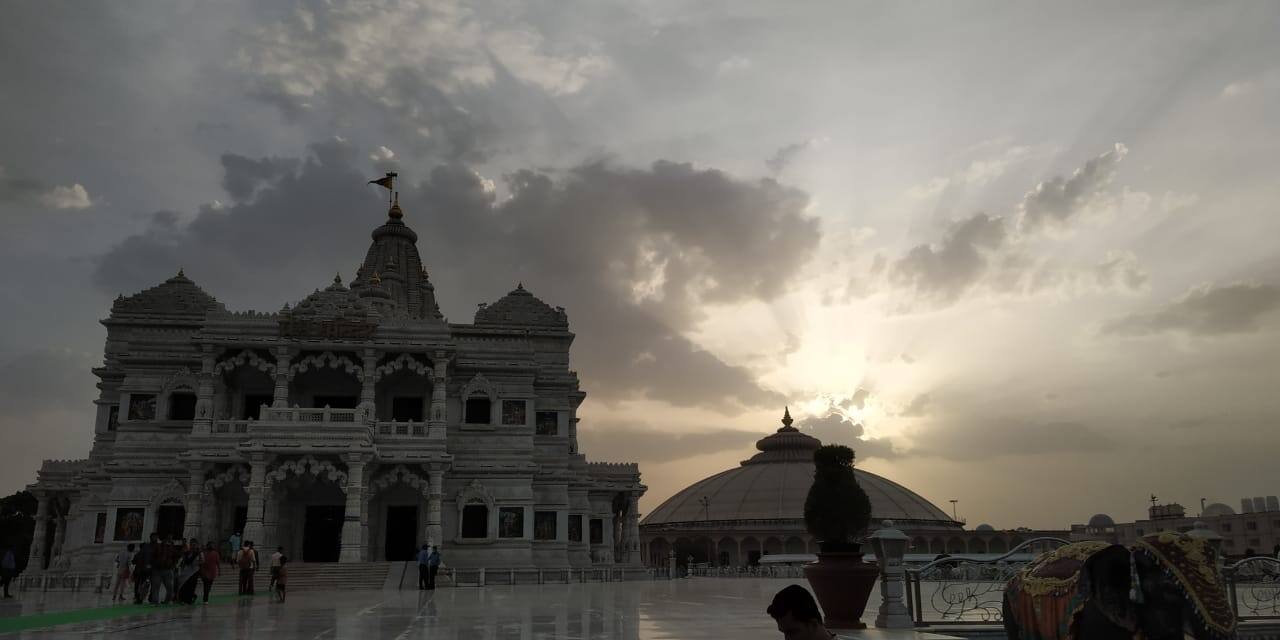
Rajasthan's capital, the Pink City, known for hill forts, palaces and old bazaars.
FamousHeritageCity
Jaipur was founded in 1727 by Maharaja Jai Singh II and is one corner of the Delhi-Agra-Jaipur Golden Triangle. Amber Fort and Jantar Mantar are both UNESCO World Heritage Sites, and the main sights sit close together. It suits first-time visitors to Rajasthan, families and anyone interested in history, crafts and food.
Trip planner
Plan from your city
Photos
Amber FortHawa MahalAmber FortEast facade of Hawa Mahal from street levelHawa Mahal
Photos from Wikimedia Commons. Select a photo for its author and licence.
Best time to go
When
What to expect
October to March
Warm, dry and sunny days and the main tourist season. December and January are cooler, with chilly nights and some morning mist or fog.
April to June
Very hot, with temperatures that can reach about 45 C. Hotel rates are often lower, but sightseeing is tiring outside early morning.
July to September
Monsoon and off season. It is humid and less comfortable for walking around the forts.
Sights and activities
1
Amber Fort (Amer Fort)
A hilltop fort-palace dating to 1592 and a UNESCO World Heritage Site, known for its courtyards and the Sheesh Mahal mirror hall. Tunnels are said to link it to Jaigarh Fort.
Distance
About 11 km from the city centre, 25 to 35 minutes by road.
Entry
Rs 200 for Indian adults under the rates reported from January 2026 (older pages show Rs 100); covered by the composite ticket
Timings
8:00 am to 5:30 pm daily; evening light and sound show
The royal palace complex in the old city, mixing Rajasthani and Mughal styles, with museum galleries and courtyards. It is privately managed and has its own ticket.
Distance
In the old walled city, a short walk from Hawa Mahal.
Entry
About Rs 200 for Indian adults for the general ticket; not covered by the government composite ticket
RSRTC and private buses arrive at Sindhi Camp bus stand and Narayan Singh Circle. Delhi is about 285 km away by road, about 5 hours.
By train
Jaipur Junction (JP) is in the city itself; some trains also stop at Gandhinagar Jaipur. There are about 26 trains from Delhi, taking 4.5 to 7 hours.
By air
Jaipur International Airport at Sanganer, about 13 km from the city centre, with domestic and some international flights.
Where to base yourself
Stay in or near the old walled city or around MI Road and the railway station, which keeps the city sights and the Sindhi Camp bus stand within a short ride.
Getting around
Auto-rickshaws are the usual way around; a 6 km ride is about Rs 190, and a full-day hire including Amber Fort was quoted at Rs 350 to 400 on an older listing, so agree the fare first.
Ola and Uber cabs work in the city, at about Rs 100 to 250 per ride.
Jaipur Metro runs one line of 11 stations from Mansarovar to Badi Chaupar in the old city, with a maximum fare of about Rs 23.
City buses cost about Rs 10 to 12 a ride, and RSRTC buses from Sindhi Camp to Amber cost about Rs 15 to 30.
A private car with driver for the day costs about Rs 1,800 to 2,600 (8 hours, 80 km).
A prepaid taxi from the airport to the city centre is about Rs 680.
Often combined with
Places people usually visit on the same trip, and how long it takes to get between them.
Heritage havelis, palace hotels and 5-star resorts
₹8,000 to ₹20,000
Food
Street food in the lanes of Johri Bazaar and at Masala Chowk costs about Rs 30 to 60 an item, and a thali at a local eatery about Rs 100 to 200. A Rajasthani thali at a well-known old-city restaurant such as LMB costs about Rs 400 to 800. Carry some cash, as small vendors may not take cards.
Try these
Dal bati churma (lentils with baked wheat balls and a sweet crumble)
Pyaaz kachori (fried pastry with spiced onion filling)
Gatte ki sabji (gram-flour dumplings in a spiced gravy)
Mirchi bada (large chilli fritter)
Ghevar (disc-shaped sweet soaked in syrup)
The well-known local dishes listed here are vegetarian and thali restaurants are common.
Daily costs
Budget level
Stay per room
Food per person
Local transport
Budget
₹800
₹400
₹100 per person
Mid-range
₹3,000
₹900
₹2,200 per vehicle
Luxury
₹10,800
₹2,500
₹2,600 per vehicle
Per day. Travel to and from your city is added in the planner above.
Permits and documents
No permits are needed. Students need a valid student ID for reduced tickets. A two-day government composite ticket (about Rs 550 for Indian adults under the 2026 rates) covers Amber Fort, Hawa Mahal, Jantar Mantar, Nahargarh Fort and Albert Hall, but not City Palace or Jaigarh.
Safety
By day
A busy tourist city with police present around the main sights. The main risk is touts: avoid shops that auto drivers push, and ignore strangers who offer gem export or investment deals, a well-known Jaipur scam.
At night
Decline invitations to bars or tea from drivers and strangers. If you go up to Nahargarh for sunset, arrange your return ride before you go.
Solo women
The usual city precautions apply: use app cabs or prepaid transport after dark and dress modestly at religious places.
Roads
Traffic in the old city is heavy and parking near the sights is difficult. The forts have steep ramps and uneven stone surfaces.
Emergency numbers
112 (all emergencies), 1800-202-4116 (Jaipur Metro helpline)
Practical
Mobile network
All the main networks (Jio, Airtel, Vi and BSNL) work in town.
ATMs and cash
ATMs are easy to find in town. Carry cash for small vendors, guides and autos.
Fuel
There are several petrol pumps in and around town.
Medical
Hospitals are easy to find across the city. In an emergency dial 112, or 108 for an ambulance in most states.
Manageable if you go early before the heat and take the road or jeep approach at Amber rather than walking uphill (jeep about Rs 400 for up to 5 people). Skip the extra hill forts if walking is tiring.
Children
Suitable for children. Young children enter the government monuments free (under 7 by most reports). Carry water and hats.
Wheelchair users
The forts have steep ramps and uneven surfaces, so access is likely to be limited.
Unless a sight is described as accessible, assume it is not step-free.
Culture and responsible travel
Wear modest clothing at temples and other religious sites.
Elephant rides at Amber are optional; you can walk up or take a jeep instead.
Ordinary photography is allowed at the monuments, but professional or commercial shoots need separate permission and fees.
Agree guide fees before starting; about Rs 400 to 700 is quoted at Amber Fort.
Diwali, Holi, the January kite festival and the Jaipur Literature Festival draw crowds, so book rooms early; some sites may close on Diwali.
What to pack
Photo ID (Aadhaar, passport or driving licence); hotels and permits ask for it
Some cash in small notes for autos, stalls and tips
Your regular medicines, plus basics for stomach upsets, headaches and cuts