Mughal city on the Yamuna, home to the Taj Mahal, Agra Fort and nearby Fatehpur Sikri.
FamousHeritageCity
Agra holds three UNESCO World Heritage Sites: the Taj Mahal, Agra Fort and Fatehpur Sikri. It is a short train ride from Delhi and forms part of the Golden Triangle with Delhi and Jaipur. It suits first-time visitors to India, families and anyone interested in Mughal history and architecture.
Trip planner
Plan from your city
Photos
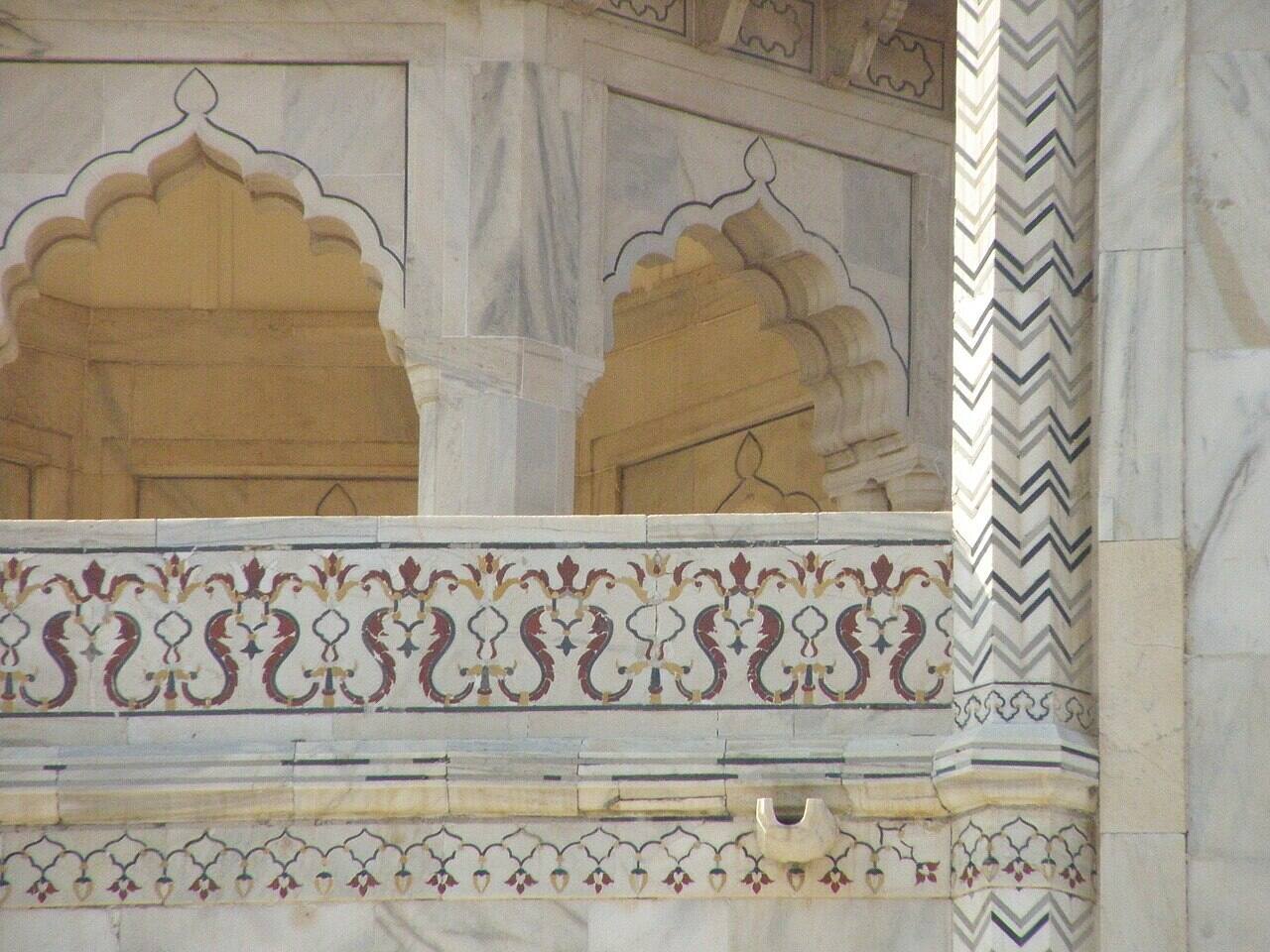
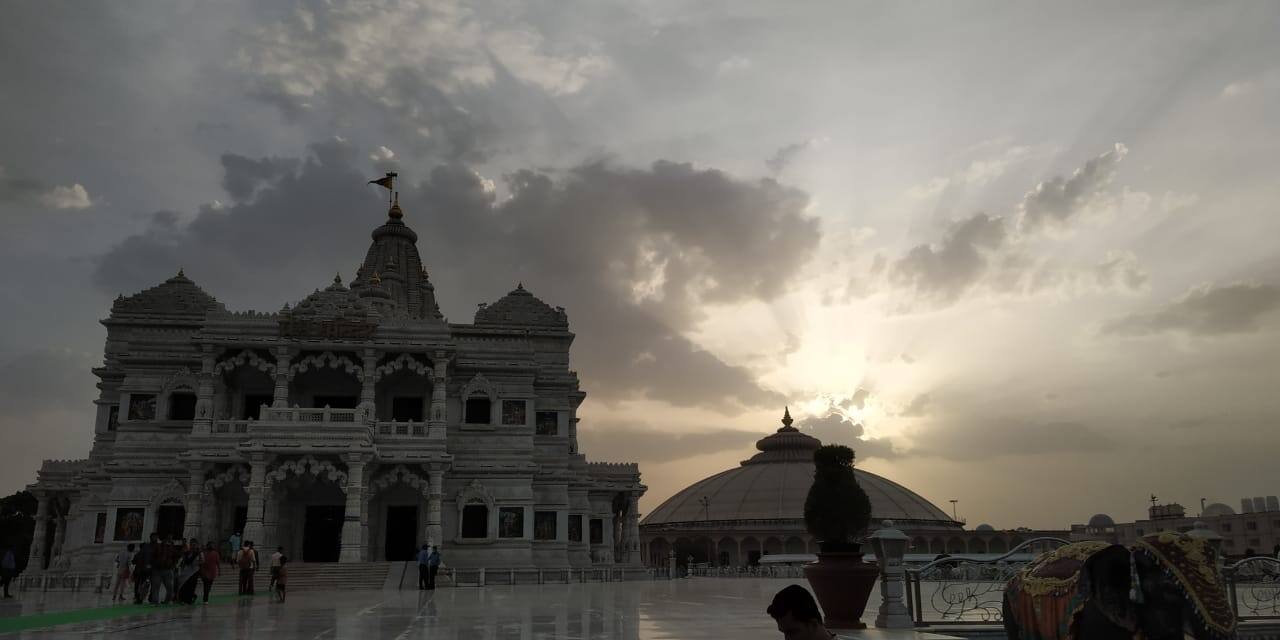
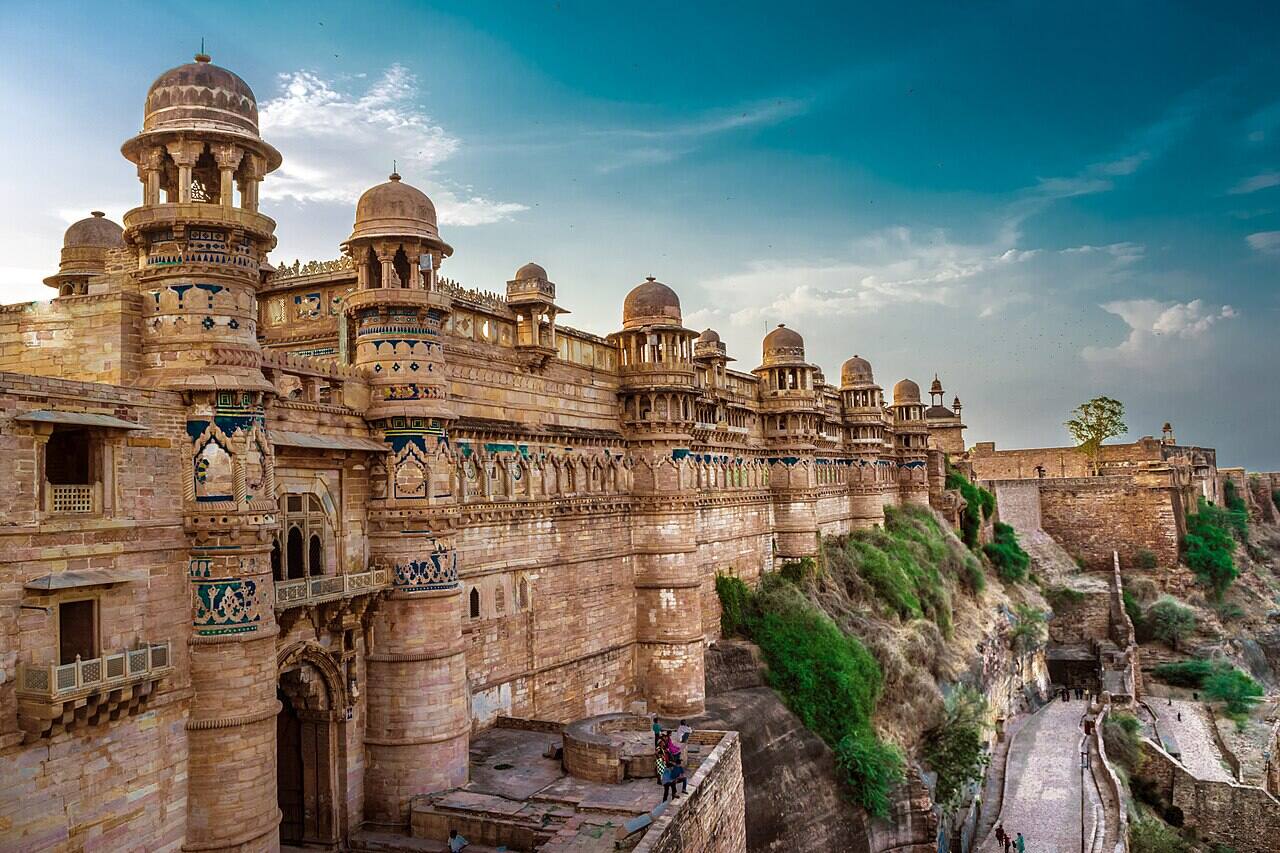
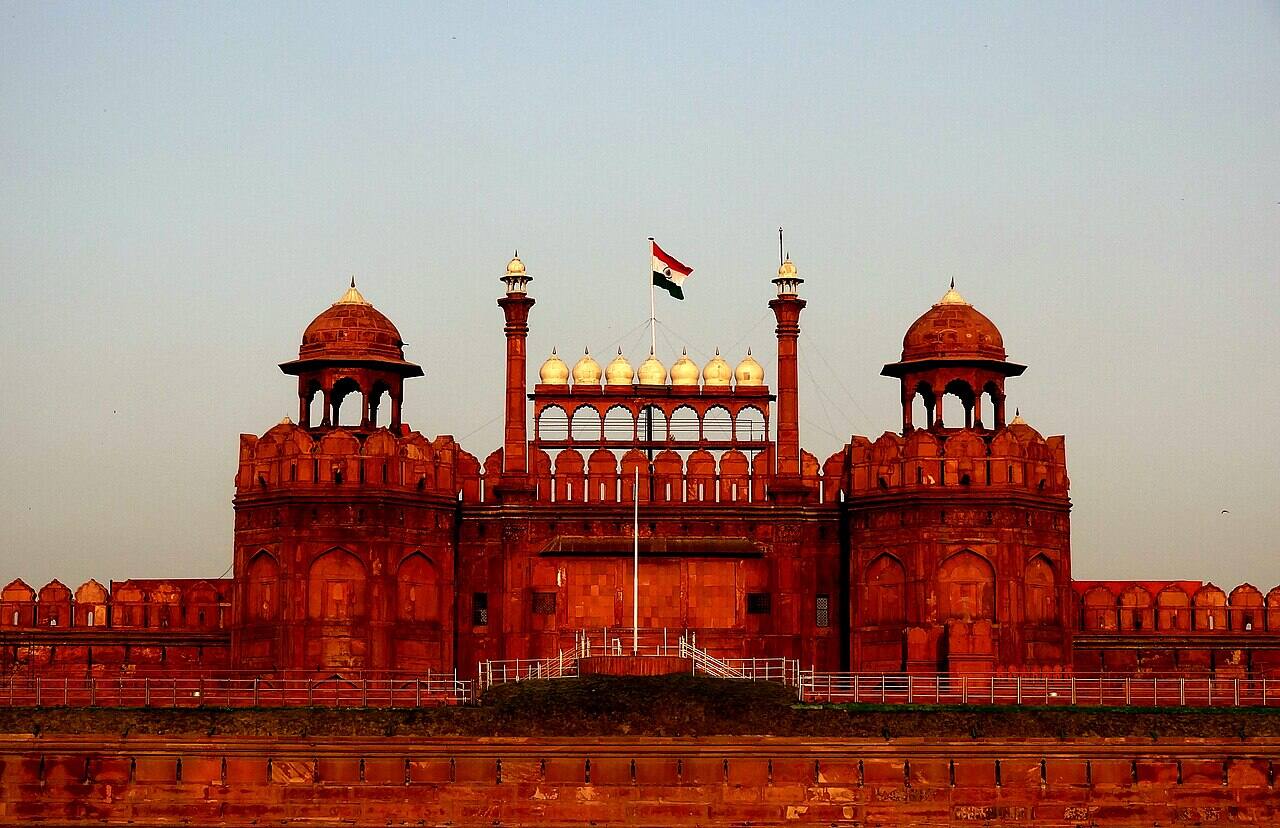
The Taj Mahal, AgraDarwaza-i-Rauza, the great gate of the Taj Mahal complexA pavilion in the Taj Mahal complexThe Taj Mahal
Photos from Wikimedia Commons. Select a photo for its author and licence.
Best time to go
When
What to expect
October to March
Cool and comfortable, about 8 to 25 degrees C. This is the best time for open-air monuments. Nights need warm clothing in winter.
April to June
Hot and dry, about 25 to 45 degrees C. Sightseeing is tiring outside early morning. Light cotton clothing is best.
July to September
Monsoon with moderate rain and high humidity. Fewer visitors. Carry an umbrella.
Sights and activities
1
Taj Mahal
White marble mausoleum on the south bank of the Yamuna, commissioned by Emperor Shah Jahan in 1631 for his wife Mumtaz Mahal. Tickets can be booked online on the ASI portal.
Distance
In Tajganj, about 6 km from Agra Cantt station
Entry
Indians 50 rupees, plus 200 rupees to enter the main mausoleum. Foreigners 1,100 rupees plus 200. Children under 15 free.
Timings
30 minutes before sunrise to 30 minutes before sunset. Closed on Fridays.
Walled Mughal palace city rebuilt in red sandstone by Akbar from 1565, with later white marble additions by Shah Jahan. The Musamman Burj tower looks across the river to the Taj Mahal. Entry is by Amar Singh Gate.
Distance
About 2.5 km from the Taj Mahal
Entry
Indians 50 rupees. Foreigners 650 rupees. Children under 15 free.
Timings
Sunrise to sunset, about 6:00 AM to 6:00 PM, every day
Red sandstone city founded by Akbar in 1571 and used as the Mughal capital for about 14 years. It includes the 54-metre Buland Darwaza, the Jama Masjid, the marble tomb of Sheikh Salim Chishti and Panch Mahal.
Distance
About 36 to 40 km west of Agra
Entry
Indians 50 rupees. Foreigners 610 rupees. Children under 15 free.
Timings
Sunrise to sunset, about 6:00 AM to 6:00 PM, every day
Buses from Delhi, Jaipur, Lucknow, Kanpur and Gwalior arrive at Idgah Bus Stand or the ISBT. From Delhi the Yamuna Expressway takes about 3 to 4 hours by car. The Agra-Lucknow Expressway links Lucknow.
By train
Agra Cantt is the main station, about 6 km from the Taj Mahal. Agra Fort, Raja ki Mandi, Agra City and Idgah stations also serve the city. Fast trains from Delhi take under 2 hours.
By air
Agra (Kheria) airport is about 13 km from the Taj Mahal but has limited flights. The nearest major airport is Indira Gandhi International Airport, Delhi, about 220 km away.
Where to base yourself
Stay in Tajganj, the area just south of the Taj Mahal, which has hotels and restaurants in every price range.
Getting around
Auto-rickshaws run everywhere; a pre-booked auto from the railway station to the Taj Mahal costs about 200 to 300 rupees, and short street hires start at about 50 rupees after bargaining.
A taxi from the station to the Taj Mahal costs about 400 to 600 rupees, and a taxi hired for the day costs about 1,200 rupees.
A taxi round trip to Fatehpur Sikri costs about 1,500 to 2,500 rupees; regular buses also go there from the ISBT and Idgah bus stands.
Vehicles stop at parking areas short of the Taj Mahal; free battery buses or paid golf carts cover the last stretch.
Agra Metro has a station next to Agra Fort.
Cycle rickshaws are available for short trips at negotiable rates.
Often combined with
Places people usually visit on the same trip, and how long it takes to get between them.
Sadar Bazaar is the usual place for chaat and street food, and sweet shops across the city sell petha and dalmoth. Mughlai restaurants serve kebabs and biryani; a meal for two at a top hotel restaurant costs about 2,500 rupees, while street food starts at about 50 rupees.
Try these
Petha (soft sweet made from white pumpkin)
Dalmoth (spicy fried lentil and nut mix)
Gajak (winter sweet, sold in sweet shops)
Chaat, bhalla and aloo tikki (savoury street snacks)
Mughlai kebabs and biryani
Paratha (stuffed flatbread)
Vegetarian food such as chaat, parathas and sweets is widely sold.
Daily costs
Budget level
Stay per room
Food per person
Local transport
Budget
₹1,000
₹600
₹300 per person
Mid-range
₹3,000
₹1,200
₹1,200 per vehicle
Luxury
₹10,000
₹2,500
₹2,000 per vehicle
Per day. Travel to and from your city is added in the planner above.
Permits and documents
No permit is needed. Monument tickets are sold at the gates and online on the ASI portal. Foreign visitors pay an extra 500 rupee Agra Development Authority toll, valid the same day at several monuments. Carrying photo ID is advised.
Safety
By day
The monuments are busy and have security screening at entry. Watch for touts and unofficial guides around the Taj Mahal, the stations and at Fatehpur Sikri, and agree fares before riding.
At night
Use prepaid or app-booked taxis rather than street hires after dark.
Solo women
No specific official advice found. Modest clothing and prepaid taxis are the commonly given tips.
Roads
The Yamuna Expressway from Delhi and the Agra-Lucknow Expressway are fast tolled roads. City traffic near the monuments is slow, and vehicles are kept away from the Taj Mahal gates.
Emergency numbers
112 (all emergencies, UP Police), 0562-2226431 (Taj Mahal helpline, 10 AM to 5 PM, not Sundays or holidays)
Practical
Mobile network
All the main networks (Jio, Airtel, Vi and BSNL) work in town.
ATMs and cash
ATMs are easy to find in town.
Fuel
There are several petrol pumps in and around town.
Medical
S.N. Medical College hospital is in the city; Cantonment Hospital and private hospitals are also listed.
The sites are flat but large, with long walks in the open. Battery buses and golf carts run from the Taj Mahal parking areas to the gates. Go early in the day to avoid heat.
Children
Children under 15 enter the ASI monuments free. Food is not allowed inside the Taj Mahal, and drinking water is available there.
Wheelchair users
The Taj Mahal's official site says wheelchairs are available, but gives no details.
Unless a sight is described as accessible, assume it is not step-free.
Culture and responsible travel
The Taj Mahal is closed to tourists on Fridays, when it opens only for prayers at its mosque.
Dress modestly at the mosque and dargah in Fatehpur Sikri and at temples such as Mankameshwar Mandir.
Food, drones and tripods are not allowed inside the Taj Mahal.
Shoe covers are given out at the Taj Mahal for the main mausoleum.
Taj Mahotsav, a crafts and culture festival, is held in February.
What to pack
Photo ID (Aadhaar, passport or driving licence); hotels and permits ask for it
Some cash in small notes for autos, stalls and tips
Your regular medicines, plus basics for stomach upsets, headaches and cuts