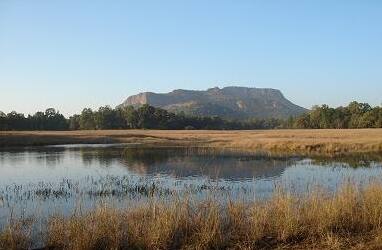
Hill station in the Satpura range, ringed by forest, waterfalls, caves and viewpoints.
FamousHill-stationWaterfallTrekWildlife
Pachmarhi sits inside the Satpura Tiger Reserve area, so most sightseeing mixes short forest walks, waterfalls, cave shrines and hilltop viewpoints such as Dhoopgarh. It suits families, easy trekkers and anyone wanting a cool, green break from the central Indian plains.
Trip planner
Plan from your city
Photos
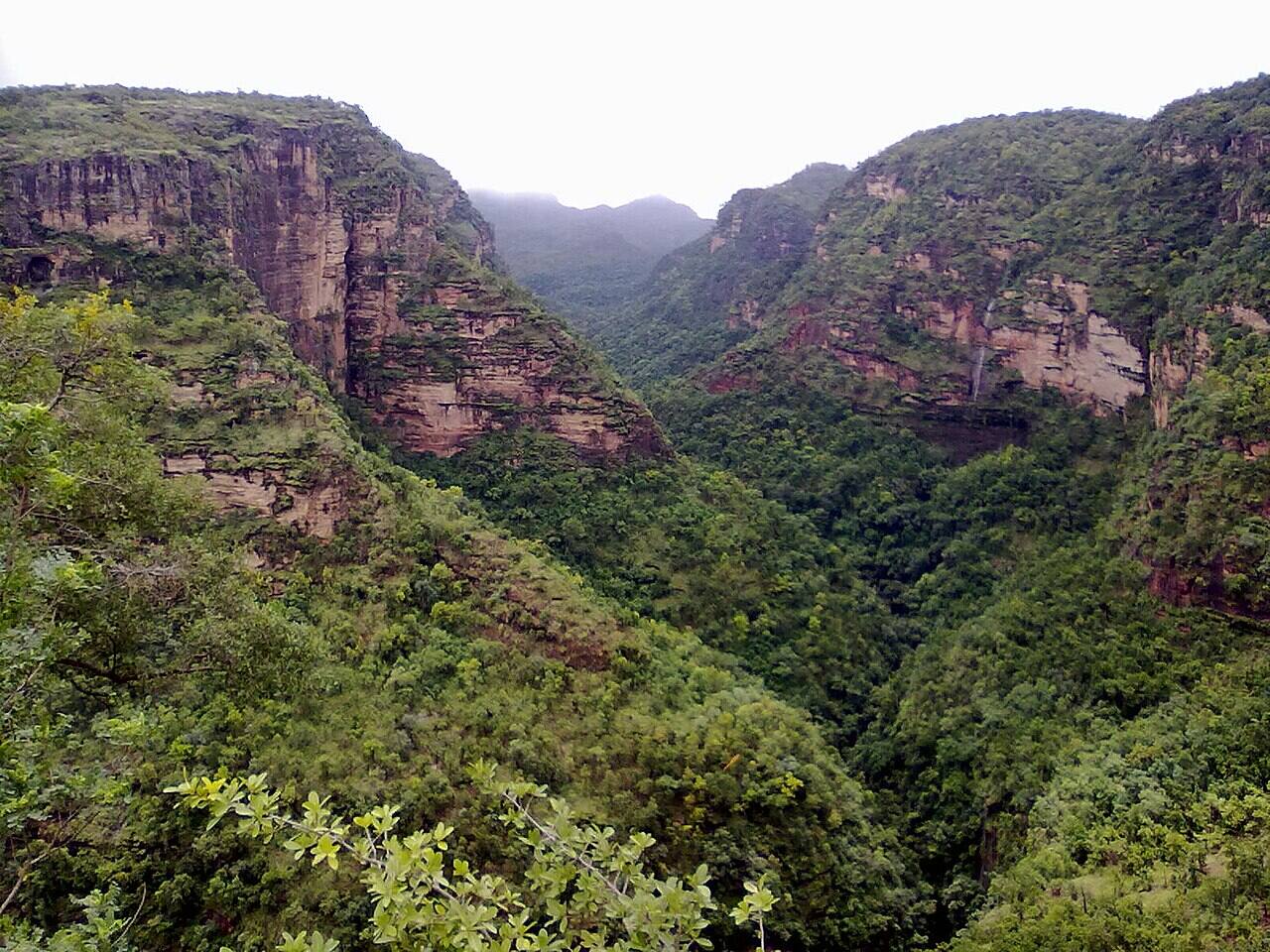
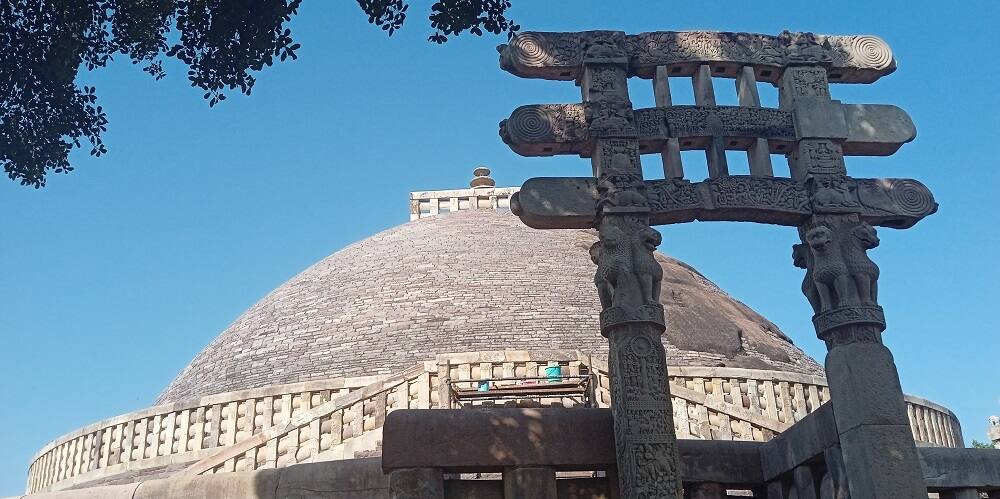
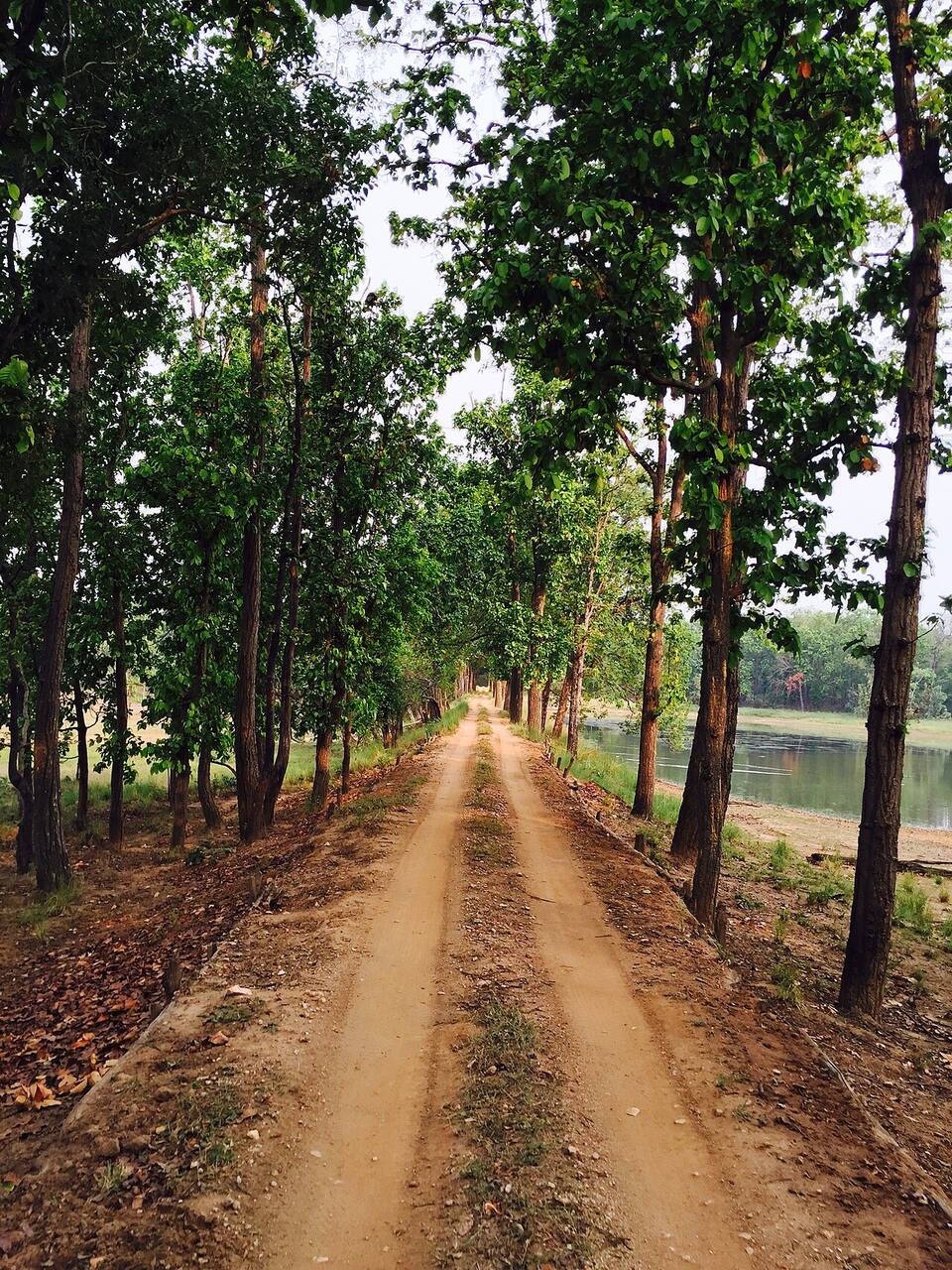
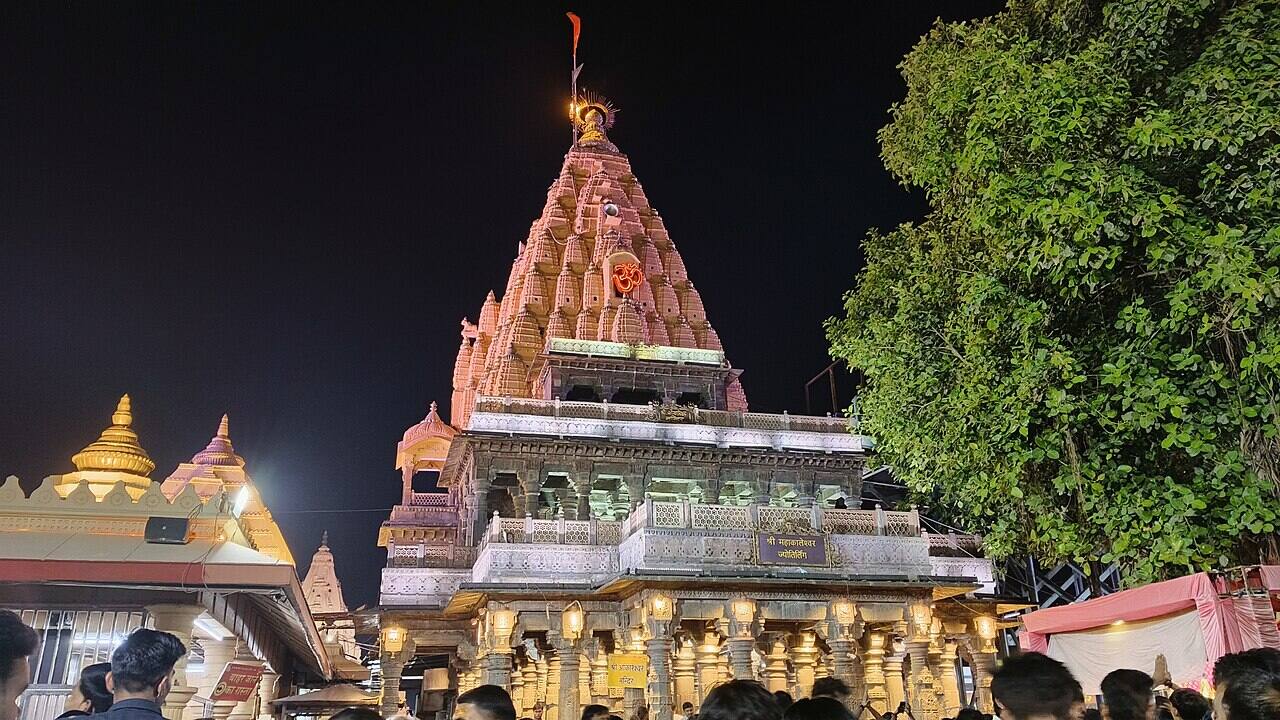
Forested valley at PachmarhiPandav CavesJata Shankar Mahadev areaShiva statue in Pachmarhi
Photos from Wikimedia Commons. Select a photo for its author and licence.
Best time to go
When
What to expect
October to February
The most popular season, with cool days that suit sightseeing and trekking. December and January are the coldest, and early mornings can be very cold.
March to June
Warmer, but still cooler than the plains below, and often cheaper.
July to September
The monsoon arrives around late June and Pachmarhi gets heavy rain. Waterfalls are at their fullest, but some trails and viewpoints may be closed and travel can be disrupted.
Sights and activities
1
Bee Falls
A cascade of roughly 35 to 45 metres reached by a few hundred steps down to a pool at the base. The name comes from the humming sound of the water.
Distance
About 5 km from the Pachmarhi bus stand.
Entry
One source gives about 50 to 150 rupees per person for main sights
A cave shrine to Shiva in a narrow, shaded gorge, named after rock formations said to look like Shiva's matted hair. Stalls near the entrance sell prasad and refreshments.
Distance
In the forest close to town; a short walk down the gorge from the road.
Entry
One source gives about 50 to 150 rupees per person for main sights
Apsara Vihar is a pool below a small fall, about 10 minutes downhill from the road. A further trail of about 1.5 to 2 km leads to a view of Rajat Prapat, a tall fall of roughly 100 metres.
Distance
Inside the forest area near town; reached by gypsy and then on foot.
State and private buses run to Pachmarhi from Bhopal, Jabalpur, Nagpur and Indore. A night bus runs from Bhopal to the Pachmarhi bus stand in about 5 hours. By car it is about 210 km from Bhopal and 260 km from Nagpur.
By train
Pipariya, on the Jabalpur-Itarsi line, is the nearest railway station, about 52 to 55 km by road. Taxis and buses run from the station to Pachmarhi.
By air
Raja Bhoj Airport in Bhopal is the nearest airport, about 195 to 222 km by road, with flights from Delhi and Mumbai. Jabalpur airport is about 300 km away.
Where to base yourself
Stay in Pachmarhi town near the market and bus stand, where hotels, MP Tourism properties and gypsy tour counters are close together.
Getting around
Most forest sights are visited on registered gypsy or jeep tours; a shared seat costs about 500 to 800 rupees per person.
Hiring a whole gypsy or jeep costs about 1,500 to 2,500 rupees.
Autos and taxis for short point-to-point trips in town cost about 100 to 300 rupees.
Pandav Caves and the market area are close enough to walk, and bikes can be rented locally.
Often combined with
Places people usually visit on the same trip, and how long it takes to get between them.
Most meals are eaten at local eateries and dhabas in the market area, or at hotel and resort restaurants. Forest rest house canteens charge for food separately.
Try these
Forest honey (harvested locally and sold in the market)
Prasad and snacks from the stalls at Jata Shankar
Check with your hotel for vegetarian and Jain meals.
Daily costs
Budget level
Stay per room
Food per person
Local transport
Budget
₹1,500
₹400
₹650 per person
Mid-range
₹4,000
₹800
₹2,000 per vehicle
Luxury
₹9,000
₹3,000
₹2,500 per vehicle
Per day. Travel to and from your city is added in the planner above.
Permits and documents
No permit is needed to visit the town. Forest sights in the Satpura Tiger Reserve are visited with registered gypsies; park permits for safaris are booked on the MP Online portal, and you must carry the permit and one photo ID such as Aadhaar, voter ID, driving licence, PAN card or passport.
Safety
By day
Generally visited by families and groups; take care on steps and wet rocks at waterfalls and in gorges.
At night
Forest zones close at sunset, so plan to be back in town by dark.
Solo women
Use registered gypsies and hotel-arranged transport.
Roads
The road from Pipariya and Bhopal climbs through the hills; one source describes road conditions as good. In the monsoon some trails and viewpoints may be closed.
All the main networks (Jio, Airtel, Vi and BSNL) work in town.
ATMs and cash
At least one ATM or bank within about 6 km of the centre (State Bank of India), the nearest about 3 km away. Carry some cash as a back-up. Carry some cash for gypsy tours and small stalls.
Fuel
The nearest petrol pump listed is about 2 km from the centre (Indian Oil Petrol Pump). Fill up at Pipariya or on the way from Bhopal.
Medical
The nearest hospital listed is Community Health Center, about 2 km from the centre. In an emergency dial 112, or 108 for an ambulance in most states.
Viewpoints reached by vehicle are manageable, but Bee Falls has a few hundred steps and Jata Shankar, Gupt Mahadev and Reechgarh involve walking on uneven paths.
Children
Suitable for children; under-5s are exempt from park entry fees. Keep close watch near water and steep edges.
Wheelchair users
Most sights involve steps or forest trails. MP Tourism has been adding ramps at Handi Khoh.
Unless a sight is described as accessible, assume it is not step-free.
Culture and responsible travel
Jata Shankar, Gupt Mahadev and other cave shrines are active places of worship; dress modestly and remove footwear where asked.
Much of the area is protected forest: stay on marked paths and do not get off vehicles except at designated spots.
Pachmarhi is working towards being polythene-free, with refill points for reusable bottles; avoid single-use plastic.
Mobile phones in the reserve are meant for photography only; keep noise down.
What to pack
Photo ID (Aadhaar, passport or driving licence); hotels and permits ask for it
Walking shoes with a good grip, a small daypack and a refillable water bottle
A rain jacket or umbrella and quick-dry clothes
Clothes in earthy colours, a cap and binoculars for safaris
Some cash in small notes for autos, stalls and tips
Your regular medicines, plus basics for stomach upsets, headaches and cuts