A large tiger reserve in the Maikal hills of central India, known for its meadows and barasingha.
FamousWildlifeMeadowVillage
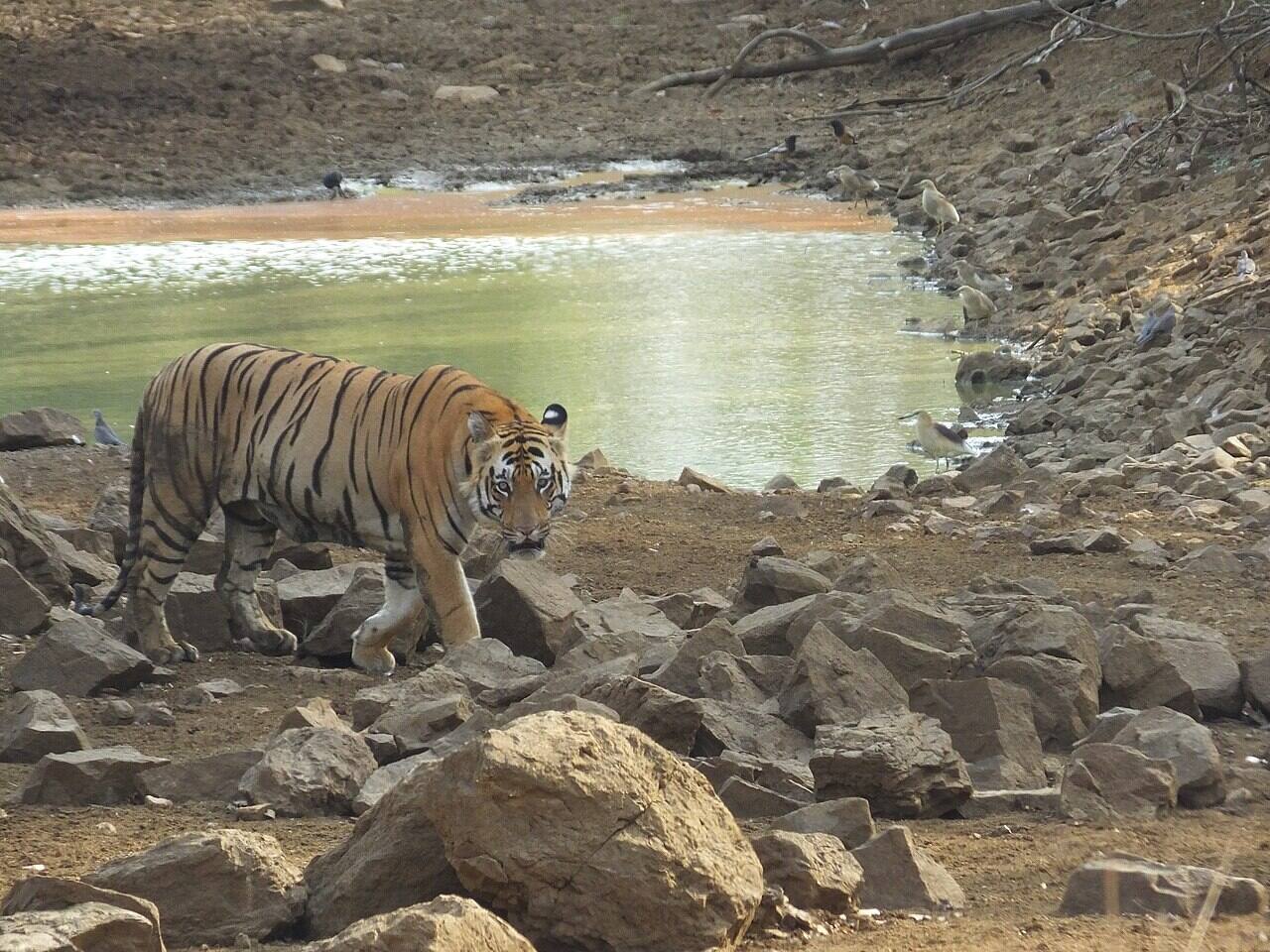
Kanha is one of India's best-known tiger reserves, with sal forest, open meadows, tigers, leopards, gaur, wild dogs and about 300 bird species. It is also where the hard-ground barasingha was brought back from near extinction. It suits wildlife lovers, photographers and families who are happy with early starts and long jeep drives.
Trip planner
Plan from your city
Photos
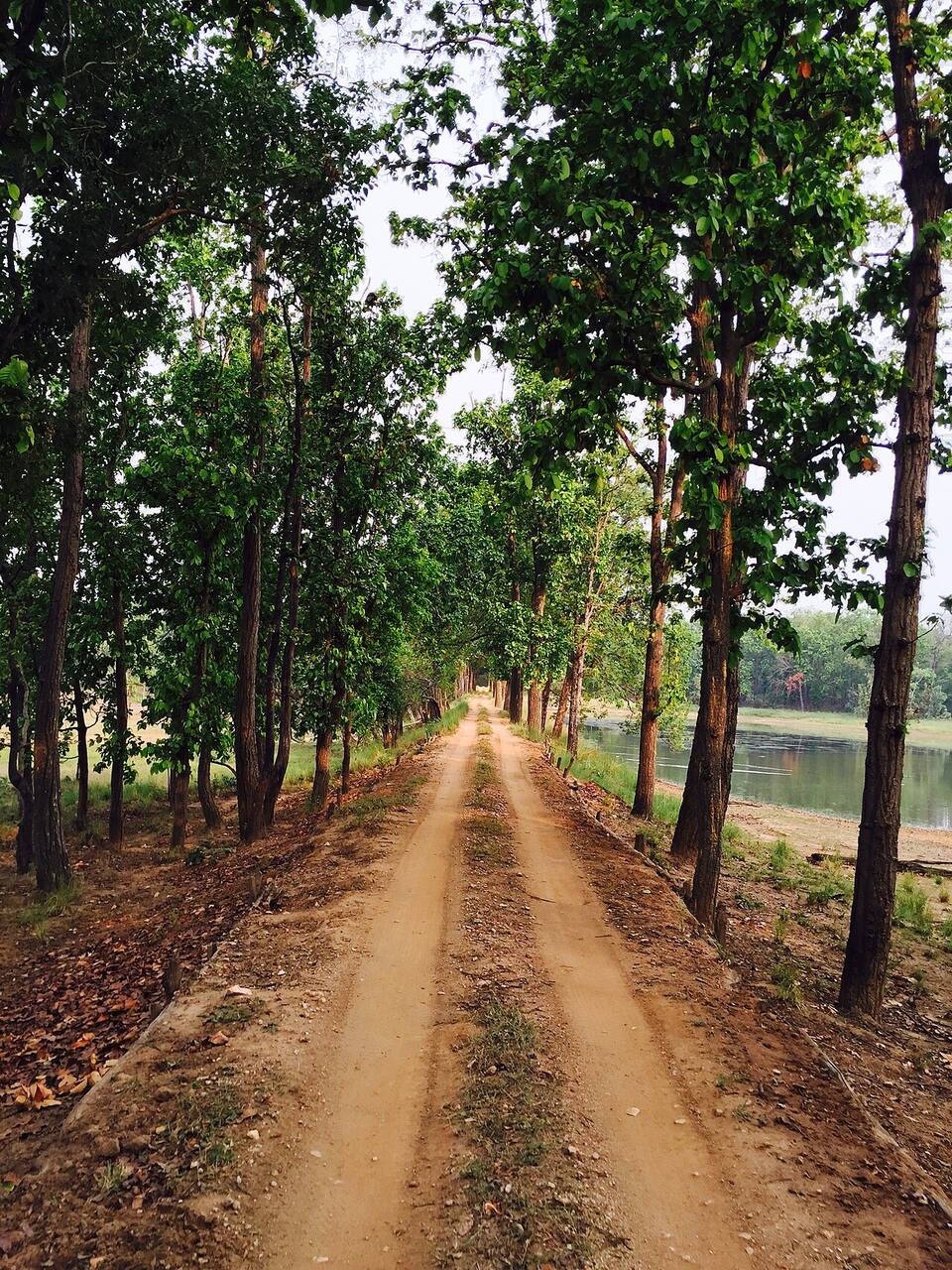
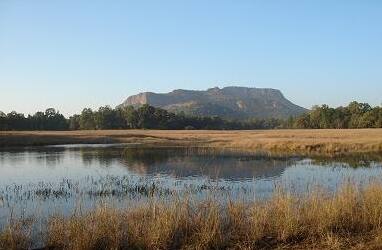
Forest road through Kanha National ParkKanha National Park in AprilJeep safari inside the parkBengal tiger in KanhaChital (spotted deer) in Kanha
Photos from Wikimedia Commons. Select a photo for its author and licence.
Best time to go
When
What to expect
October to February
The park reopens after the monsoon, the forest is green and winter mornings are cold, sometimes close to freezing. Migratory birds arrive. Bring warm layers for open jeeps.
March to June
Hot days, with summer highs of about 42 C. Animals gather near shrinking water, so tiger sightings are often better, but midday is very hot.
July to September
The core zones are closed for the monsoon. Sources differ on exact dates: the season is given as ending on 15 or 30 June and reopening on 1 or 16 October.
Sights and activities
1
Kanha zone and its meadows
The oldest and most sought-after safari zone, with open grasslands where barasingha graze and tigers are often reported. It has a higher permit fee than other zones.
Distance
Entered from the Kisli/Khatia side, a short drive from the base area.
Entry
Permit about 1980 per jeep (up to 6 people) plus gypsy hire about 2000 and guide about 300
Timings
Morning safari from sunrise to 10 or 11 am; afternoon safari from 2 to 3:30 pm until sunset. Afternoon safari closed on Wednesdays, Holi and Diwali.
Outside the core, a guided walk of about 2 hours starts from Khatia gate, and a night drive of about 2 hours runs in the Khatia buffer with headlights only.
Distance
Starts at Khatia gate in the base area.
Entry
Buffer permit about 660 per jeep plus gypsy about 1800 and guide about 300 (older figures); night safari tickets sold at the gate
From Jabalpur the road runs via Mandla to Kisli and Khatia. Mukki is reached via Mandla, Mocha and Baihar, or from Nagpur via Gondia, Balaghat and Baihar. Buses and taxis run from Jabalpur, Mandla and Balaghat, and private buses operate.
By train
Jabalpur Junction is the main railhead, about 160-170 km from Kisli gate. Gondia Junction is about 120-145 km away and suits the Mukki side.
By air
Jabalpur (Dumna) Airport is the nearest, about 160-165 km or 3.5-4 hours by road to Kisli gate, with flights from Delhi and Mumbai. Nagpur (about 250-270 km) and Raipur (about 220-250 km) also work, especially for Mukki gate.
Where to base yourself
Stay in the Khatia and Mocha area near Kisli gate for the Kisli, Kanha and Sarhi zones, or near Mukki gate if most of your safaris are in the Mukki zone.
Getting around
Only registered gypsies may enter the core zones; private vehicles are not allowed. Gypsy hire was about 2000 per safari, shared by up to 6 people.
A park guide is compulsory on every safari, about 300 per trip, assigned by roster at the gate.
Lodges near the gates arrange their own vehicles and guides, and many offer airport or station transfers.
A return taxi from Jabalpur to the park costs about 5000-6500.
Often combined with
Places people usually visit on the same trip, and how long it takes to get between them.
Simple lodges and small resorts near Khatia and Mocha, MP Tourism and forest rest houses
₹1,200 to ₹3,500
Mid-range
Standard and deluxe resorts near Kisli and Mukki gates
₹4,000 to ₹10,000
Luxury
Jungle lodges and high-end safari camps
₹10,000 to ₹39,000
Food
Most visitors eat at their lodge or resort, since there are few independent restaurants near the gates. A few eateries and cafes have opened near the park.
Try these
Indian thali-style meals (served at lodges and resorts)
Jain meals (offered at some budget lodges)
Multi-cuisine resort buffets (Indian and continental)
Vegetarian food is easy to find at lodges. Some budget lodges serve Jain food. Ask your lodge in advance.
Daily costs
Budget level
Stay per room
Food per person
Local transport
Budget
₹1,500
₹500
₹600 per person
Mid-range
₹5,000
₹1,200
₹3,600 per vehicle
Luxury
₹12,000
₹3,000
₹4,300 per vehicle
Per day. Travel to and from your city is added in the planner above.
Permits and documents
A safari permit is needed for each zone and shift; book online on the MP forest department portal (forest.mponline.gov.in), at the Mandla office or at the gates, ideally months ahead. Carry the photo ID used for booking. Permits lapse an hour after the booked entry time. Children up to 5 years are exempt from entry fees.
Safety
By day
Generally safe for visitors on organised safaris. Stay inside the vehicle in the core zone and keep a safe distance from animals.
At night
Do not walk on forest roads after dark; wild animals move around the villages near the park. Stay within your lodge.
Solo women
No specific safety information was found; book safaris and transfers through your lodge or the official portal.
Roads
The drive from Jabalpur via Mandla takes about 3.5-4 hours. Avoid driving forest roads at night.
Emergency numbers
112 (all emergencies), Field Director, Kanha Tiger Reserve, Mandla: 07642-250760, Tourist information counter, Khatia: 07649-277242
Practical
Mobile network
Mobile phones were not allowed on safaris under earlier park rules.
ATMs and cash
Carry enough cash from Jabalpur or Mandla.
Fuel
Fill up in Jabalpur or Mandla.
Medical
The nearest larger town is Mandla, with full hospitals in Jabalpur.