Small temple town with the carved Chandela temples, a UNESCO World Heritage Site.
FamousHeritagePilgrimageWildlifeWaterfall
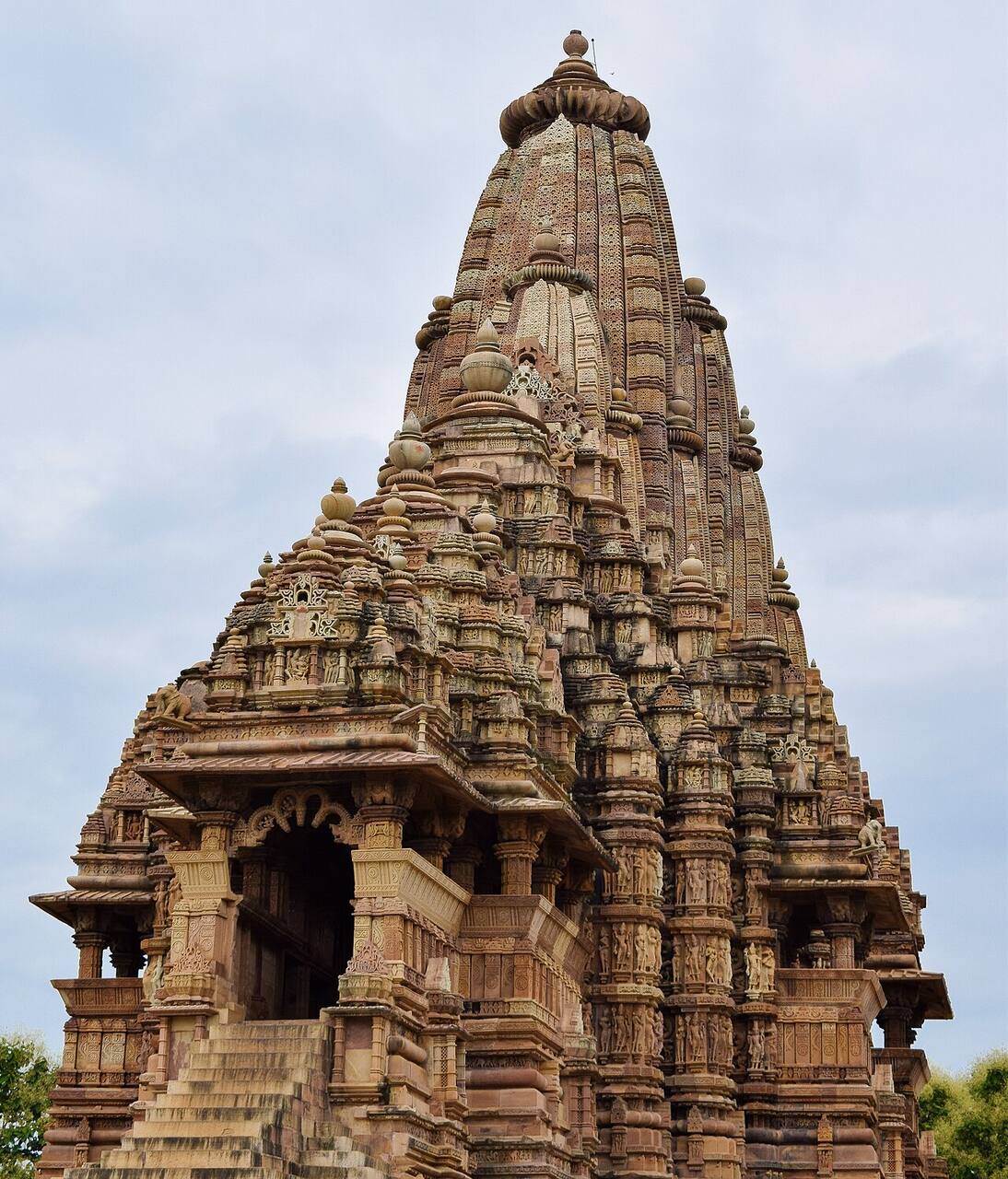
Khajuraho has about 25 surviving Hindu and Jain temples built by the Chandela dynasty between 950 and 1050 AD, known for their fine and often erotic stone sculpture. The town is small and quiet, and the main temples can be seen on foot or by bicycle. It suits people interested in art, history and architecture, and it pairs well with a safari in Panna National Park.
Trip planner
Plan from your city
Photos
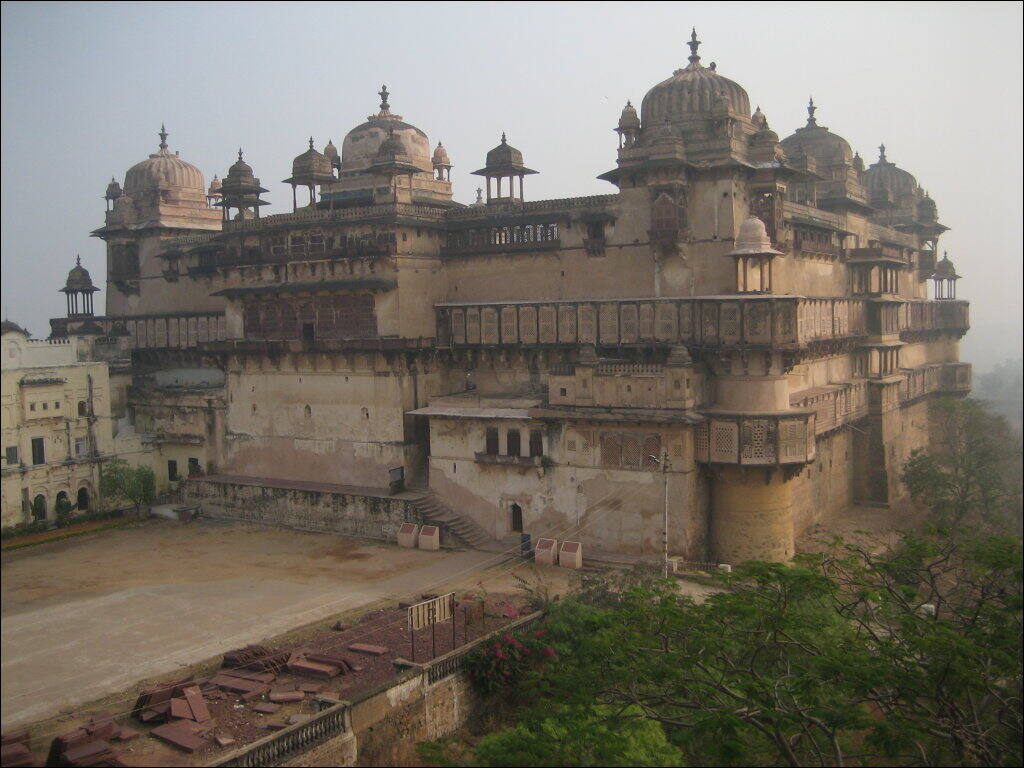
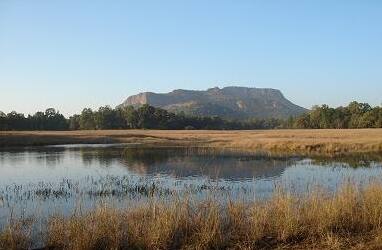
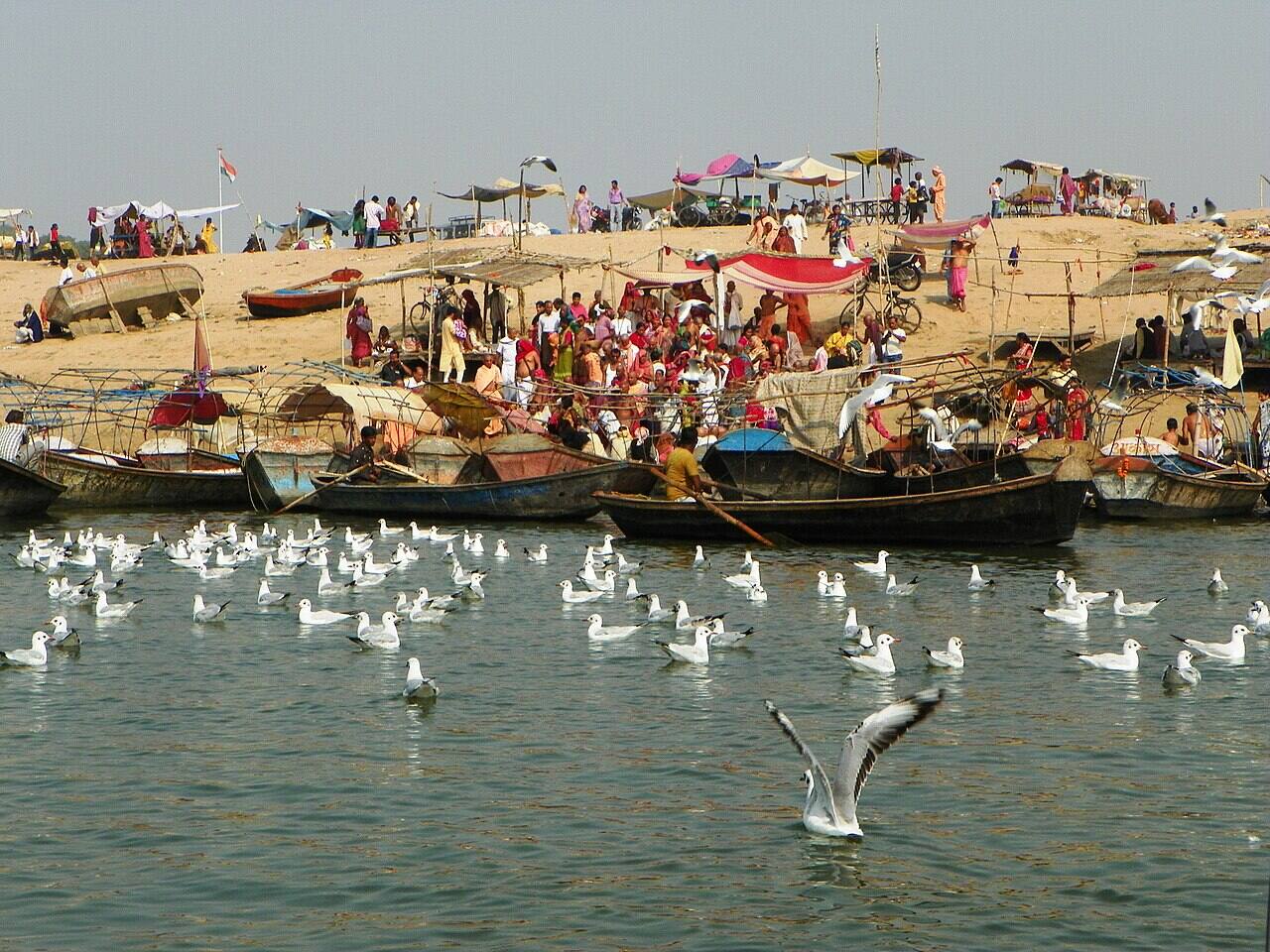
Kandariya Mahadev temple in the Western GroupA temple at KhajurahoKandariya Mahadev templeGhantai temple in the Eastern Group
Photos from Wikimedia Commons. Select a photo for its author and licence.
Best time to go
When
What to expect
October to March
The best time. Days are pleasant and nights are cool; January is the coldest month and can drop to about 4 C at night. The Khajuraho Dance Festival is held in February.
April to June
Very hot. May is the hottest month and can reach about 45 C, so temple visits are only comfortable at sunrise and late afternoon.
July to September
Monsoon. It stays warm and humid, with rain on many days. Raneh Falls and Pandav Falls have the most water in this period.
Sights and activities
1
Western Group of Temples
The main ticketed complex and the heart of the World Heritage Site. It holds the Lakshmana, Vishwanatha, Chitragupta, Devi Jagdambi and Kandariya Mahadev temples in one garden.
An evening show of about 50 minutes on the lawns of the Western Group that tells the story of the Chandela kings and the temples. It runs in English and in Hindi.
Distance
In the town centre
Entry
About Rs 200 to 250 for Indians, Rs 500 to 750 for foreigners
Timings
English show about 6:30 pm and Hindi about 7:30 pm in winter; an hour later in summer
A state museum with about 500 pieces of terracotta, metal and wood work, and model houses of tribal communities such as the Gond, Baiga and Bhil. Its canteen serves a Bundeli thali.
Distance
In Khajuraho town
Entry
₹10 per person
Timings
12 noon to 8 pm, closed on Mondays and government holidays
A canyon about 5 km long cut by the Ken river through red, pink and grey rock, with waterfalls after the monsoon. The Ken Gharial Sanctuary is next to it.
Distance
About 20 km, 30 minutes by road
Entry
About Rs 75 per Indian visitor plus about Rs 200 per vehicle
Khajuraho is about 50 km by road from Chhatarpur and about 175 km from Jhansi. Buses run from Chhatarpur, Satna and Jhansi, and one private AC sleeper bus runs from Delhi.
By train
Khajuraho railway station is about 5 km from the town and about 9 km from the Western Group of Temples. It has direct trains from Delhi, including a Vande Bharat Express.
By air
Khajuraho Airport is about 4 to 5 km from the temples, with flights from Delhi.
Where to base yourself
Stay near the Western Group of Temples in the town centre, where most hotels, cafes and the evening show are within walking distance.
Getting around
The Western Group, museums and most hotels are within walking distance of each other in the town centre.
Bicycles can be hired for about Rs 100 to 200 a day and are a good way to reach the Eastern and Southern temples.
An auto-rickshaw for sightseeing costs about Rs 700 a day; one traveller report gives about Rs 1,400 for two days including Raneh Falls.
Autos from the railway station cost about Rs 100 to 200 and from the airport about Rs 150 to 250; taxis cost about Rs 250 to 500.
Taxis can be hired for day trips to Raneh Falls and Panna National Park; agree the fare before you start.
Often combined with
Places people usually visit on the same trip, and how long it takes to get between them.
Most places to eat are around the Western Group, many on rooftops with temple views. Simple Indian vegetarian restaurants and lassi shops are the cheapest; cafes such as Raja Cafe serve Indian and European food, and the big hotels have their own restaurants.
Try these
Bundeli thali (a set meal of the local Bundelkhand region)
Vegetarian thali (rice, dal, vegetables and roti)
Lassi (sweet or salted yoghurt drink)
Vegetarian food is easy to find everywhere, and there are pure vegetarian and Marwari restaurants.
Daily costs
Budget level
Stay per room
Food per person
Local transport
Budget
₹800
₹400
₹150 per person
Mid-range
₹2,500
₹900
₹700 per vehicle
Luxury
₹6,500
₹2,000
₹2,000 per vehicle
Per day. Travel to and from your city is added in the planner above.
Permits and documents
No permit is needed for Indian visitors. Tickets are needed for the Western Group, the Sound and Light Show, Raneh Falls and Panna National Park; carry a photo ID for hotels and safari bookings.
Safety
By day
The town is small and used to visitors. Touts and commission agents approach tourists near the temples and hotels; decline politely and book tickets only through official counters or known websites.
At night
The centre near the Western Group stays active until after the evening show. The Eastern and Southern temples are away from the centre and close at sunset.
Solo women
No specific warnings were found online. The usual care applies: use hotel-arranged autos after dark and stay in the central area.
Roads
Khajuraho is reached by national and state highways; The drive from Delhi is long, about 10 to 13 hours.
All the main networks (Jio, Airtel, Vi and BSNL) work in town. BSNL, Airtel and Idea (now Vi) are listed as working.
ATMs and cash
At least one ATM or bank within about 6 km of the centre. Carry some cash as a back-up. State Bank of India and Canara Bank have branches in town.
Fuel
The nearest petrol pump listed is about 1 km from the centre (HP).
Medical
The nearest hospital listed is Government Hospital Khajuraho, under 1 km from the centre. In an emergency dial 112, or 108 for an ambulance in most states. Chhatarpur, the district headquarters about 50 km away, is the nearest larger town.
The Western Group is a flat garden complex, but each temple stands on a high platform reached by stone steps. Visit early or late in the day to avoid the heat.
Children
Easy and safe for children, with open lawns in the Western Group. Parents should know that some carvings are sexually explicit.
Wheelchair users
The garden paths are level but the temples themselves are reached by steps.
Unless a sight is described as accessible, assume it is not step-free.
Culture and responsible travel
Matangeshwar is a living temple with daily worship; remove shoes and dress modestly when you go in.
Wear flat shoes and light cotton clothes; the stone platforms get hot and uneven.
The erotic carvings are a small part of the sculpture; treat the temples as religious monuments.
Avoid giving money to children who beg around the temples.
Local craft shops sell stone and brass figures; Mrignayani is the state government emporium with fixed prices.
What to pack
Photo ID (Aadhaar, passport or driving licence); hotels and permits ask for it
Clothes in earthy colours, a cap and binoculars for safaris
Clothes that cover shoulders and knees, and socks for hot stone floors where shoes come off. Some temples do not allow phones or bags, so carry little
Some cash in small notes for autos, stalls and tips
Your regular medicines, plus basics for stomach upsets, headaches and cuts