A tiger reserve in the hills of Umaria district, known for tiger sightings and a hilltop fort.
FamousWildlifeHeritageMeadow
Bandhavgarh is one of the best-known places in India to see a wild tiger, along with leopards, sloth bears, gaur and over 250 bird species. Open-jeep safaris run through sal forest, meadows and past old caves and carvings below a hilltop fort. It suits wildlife lovers and photographers who can book permits early.
Trip planner
Plan from your city
Photos
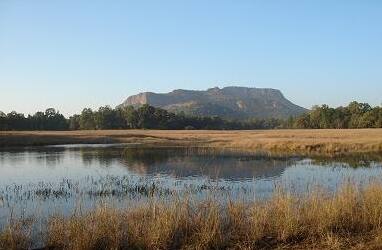
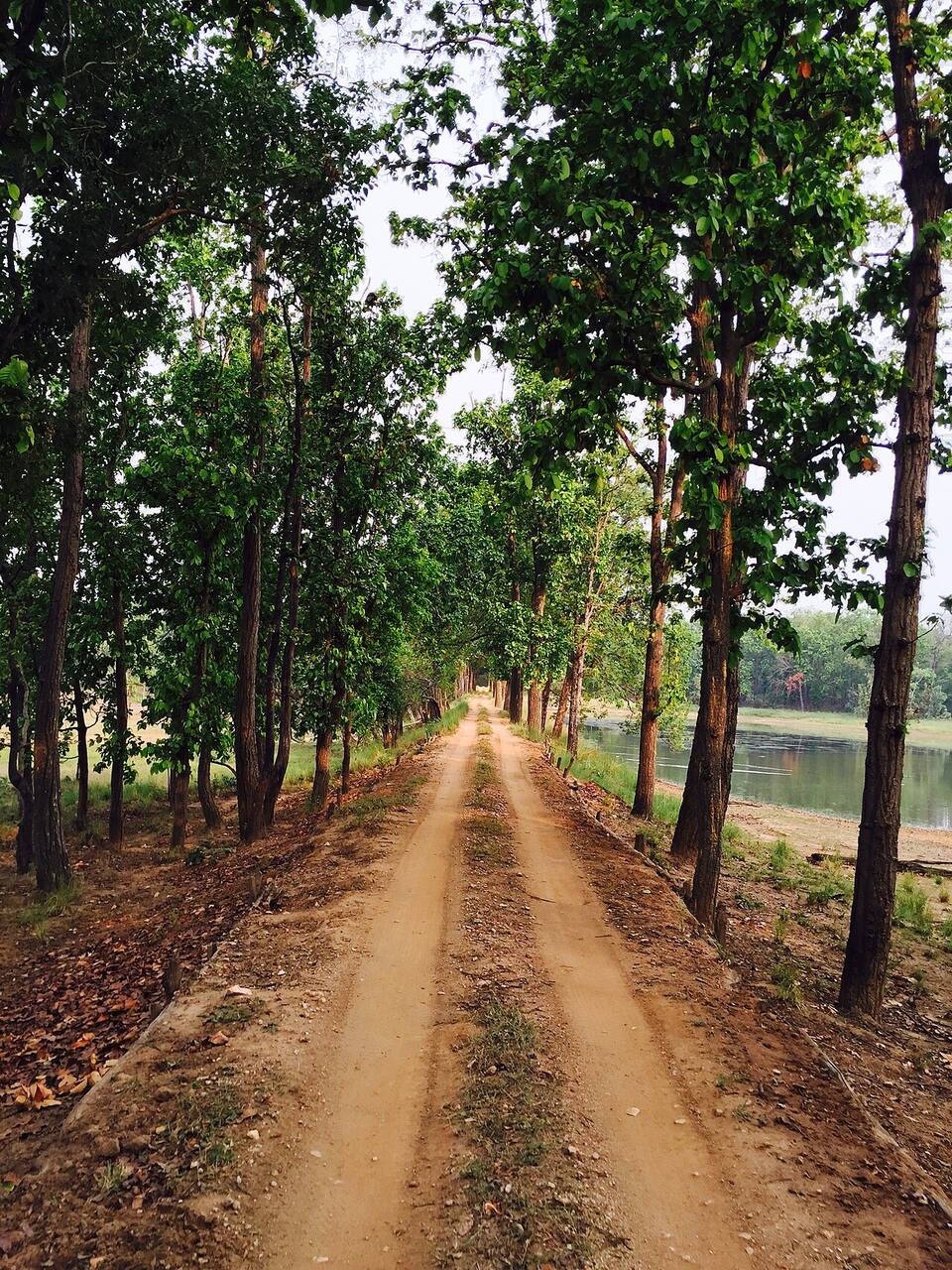
Bandhavgarh Fort on its hill above the forestForest landscape in Bandhavgarh National ParkA tigress in BandhavgarhBamera, a well-known tiger of BandhavgarhA spotted owlet in the park
Photos from Wikimedia Commons. Select a photo for its author and licence.
Best time to go
When
What to expect
October to February
Cool and green after the rains; December nights can drop to about 4°C, so mornings in an open jeep are cold. Animals are harder to spot in thick growth early in the season.
March to June
Hot and dry, with May reaching about 42°C. Animals gather at waterholes, so tiger sightings are most predictable, and core permits sell out fast.
July to September
Monsoon; August is the wettest month. The core zones are closed, but buffer-zone safaris can still run.
Sights and activities
1
Tala zone safari
The original and busiest core zone, with meadows such as Chakradhara and the best record for tiger sightings. Routes pass below the fort and near Shesh Shaiya.
Distance
Tala gate, in Tala village.
Entry
Per jeep of up to 6: core permit about 1,550 to 2,400, plus gypsy hire about 2,500 to 3,000 and guide about 480 (roughly 5,500 to 6,500 in total)
Timings
About 6:00-11:30 and 3:00-6:00 in Oct-Nov; 5:30-11:00 and 3:30-7:00 in Apr-Jun. Afternoon safaris closed on Wednesdays; core closed July to September
An old fort on the hill at the centre of the park, linked by legend to Rama giving it to his brother Lakshman. Tourists cannot go inside now; it is seen from safari routes in the Tala zone.
Forest around the core, with fewer vehicles. Panpatha lies near the Bamera dam area and Johila has a river valley; these zones can stay open in the monsoon.
Distance
Panpatha via Pachpedi gate (about 55 km from Umaria); Johila via Chechpur or Gajwahi gate; Dhamokhar via Parasi gate.
Entry
Permit about 1,250 per jeep, plus gypsy and guide charges
Timings
Morning and afternoon slots, as for the core zones
Direct buses from big cities are rare. Take a bus to Umaria, then a shared auto or jeep to Tala. Most people come by taxi from Umaria, Katni or Jabalpur.
By train
Umaria station is the nearest, about 32 km (45 minutes) from the Tala gate, with trains from Delhi such as the Kalinga Utkal Express. Katni, about 95 to 100 km away, has more trains from Mumbai, Kolkata and other cities.
By air
Jabalpur airport is the nearest, about 165 to 200 km (3.5 to 4 hours by taxi), with IndiGo flights from Delhi and Mumbai. Khajuraho, about 230 to 250 km away, is another option.
Where to base yourself
Tala village, next to the Tala gate, where most lodges and the forest department's own rooms are.
Getting around
Shared autos and jeeps run from the Umaria bus depot to Tala village for about 60 to 100 rupees a person.
A private taxi from Umaria station to Tala lodges costs about 1,000 to 1,400 rupees.
Inside the park only registered safari gypsies are allowed; hire costs about 2,500 to 3,000 rupees a jeep per safari, paid at the gate.
Lodges can arrange gate transfers and station or airport pick-ups; a 3-day package with Jabalpur airport transfers and gate drops costs about 11,000 to 15,000 rupees.
Often combined with
Places people usually visit on the same trip, and how long it takes to get between them.
Simple resorts, guesthouses and homestays in Tala village
₹1,200 to ₹3,000
Mid-range
Jungle resorts near Tala gate, often with meals included
₹6,000 to ₹9,500
Luxury
High-end safari lodges with meals and naturalists
₹10,900 to ₹19,500
Food
Most visitors eat at their lodge, and many lodges include all meals. Dhabas on the roads in serve hot food and tea, and sweet shops opposite the Tala gate sell gulab jamun and rabri. There is no food inside the core zones, so carry water and a snack on safari.
Try these
Poha-jalebi (flattened rice with fried sweet spirals, a breakfast staple)
Chaas (spiced buttermilk)
Gulab jamun (fried milk balls in syrup)
Rabri (thickened sweet milk)
Chai (milky tea)
Vegetarian food is easy to find at dhabas and lodges.
Daily costs
Budget level
Stay per room
Food per person
Local transport
Budget
₹2,000
₹500
₹100 per person
Mid-range
₹7,500
₹1,200
₹1,200 per vehicle
Luxury
₹15,000
₹3,000
₹2,500 per vehicle
Per day. Travel to and from your city is added in the planner above.
Permits and documents
Safari permits are booked online at forest.mponline.gov.in (bookings open about 120 days ahead) or through a lodge. Each visitor's name and ID number is entered, permits cannot be transferred, and the same original photo ID must be shown at the gate. Foreigners should carry their passport.
Safety
By day
Generally safe for visitors. On safari, never get out of the jeep unless forest staff say so, keep quiet and follow the guide.
At night
Movement inside the park is not allowed after the evening safari. Wild animals live close to Tala village, so avoid walking on forest roads after dark.
Solo women
Most visitors travel with lodge-arranged transport and guides, and single-seat safari permits let solo travellers share a jeep.
Roads
Roads from Umaria, Katni and Jabalpur are drivable, but the forest tracks inside the park are very dusty. Night driving on rural roads is best avoided.
BSNL and Vodafone Idea were reported to work best in Tala; there is little or no signal inside the forest. Since February 2026 phones are reported to be not allowed on safari.
ATMs and cash
There is an SBI ATM near Tala, but it has been reported as unreliable. Pay for stays and safaris in advance and carry some cash.
Fuel
Fill up in Umaria, Katni or Jabalpur before driving in.
Medical
Umaria is the district town. Carry your own medicines.