Green upland district of Kerala with plantations, forests, caves, dams and a wildlife sanctuary.
FamousHill-stationWildlifeTrekHeritage
Wayanad sits in the Western Ghats between about 700 and 2,100 metres, with spice plantations, misty hills and a large wildlife sanctuary. It suits families and couples who want viewpoints, lakes and dams, and active travellers who want the Chembra Peak trek or the climb to the Stone Age carvings at Edakkal.
Trip planner
Plan from your city
Photos
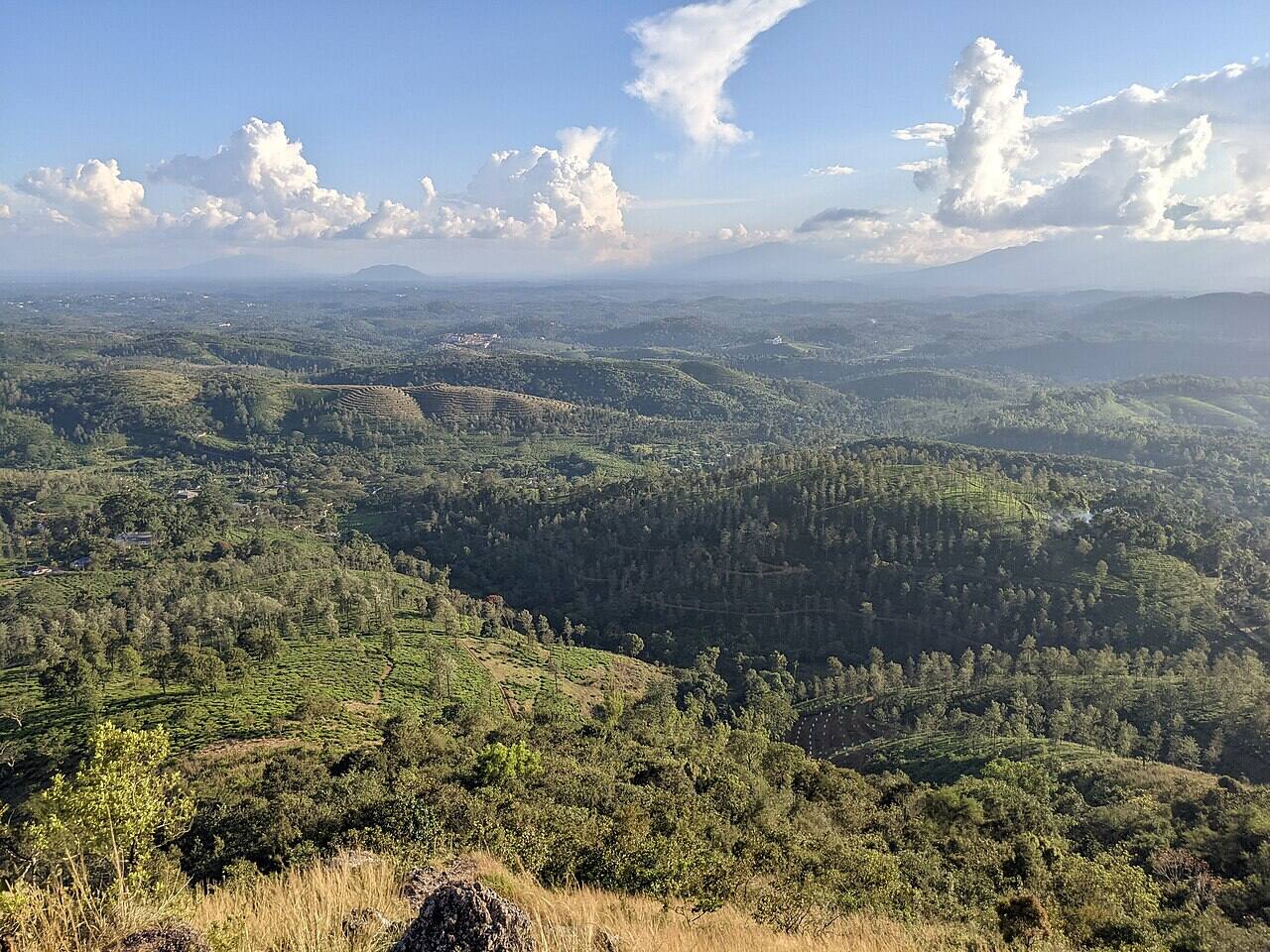
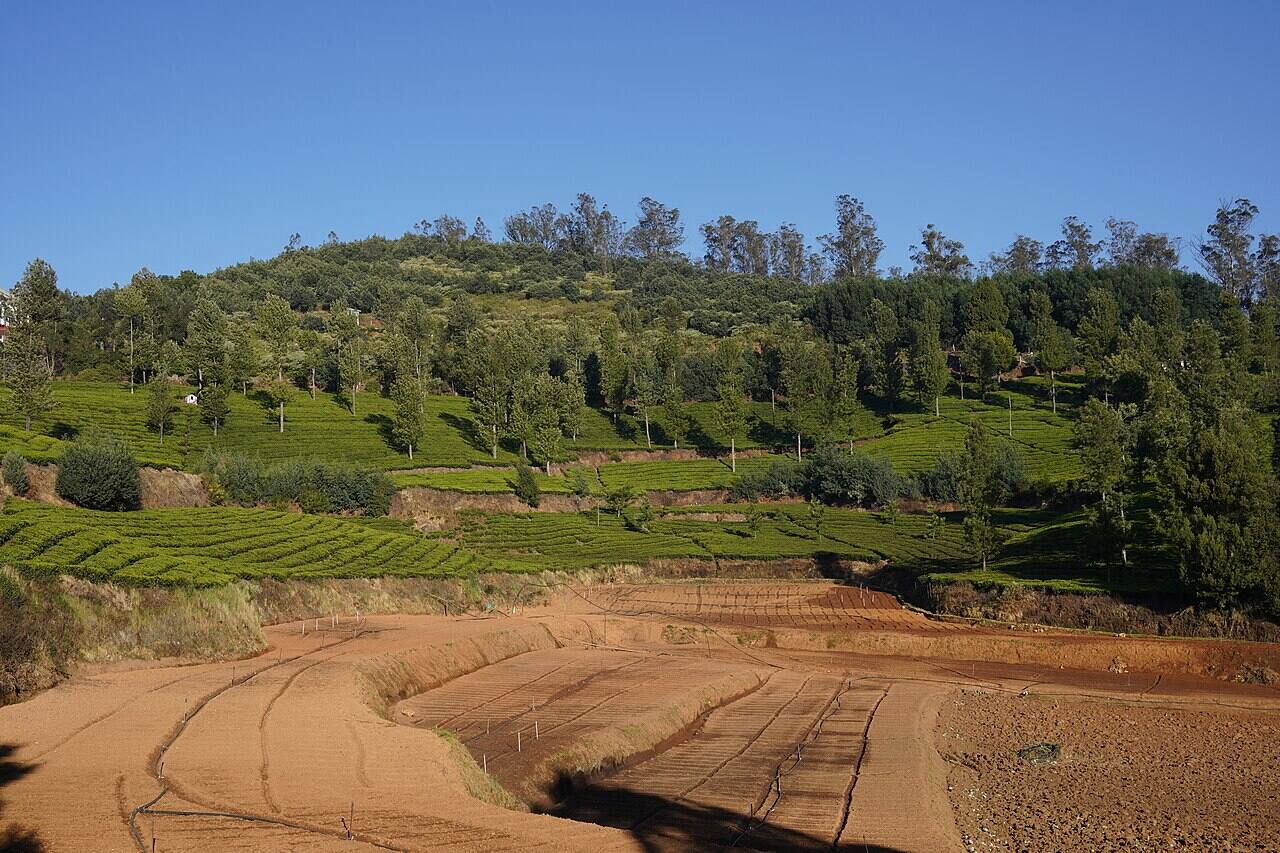
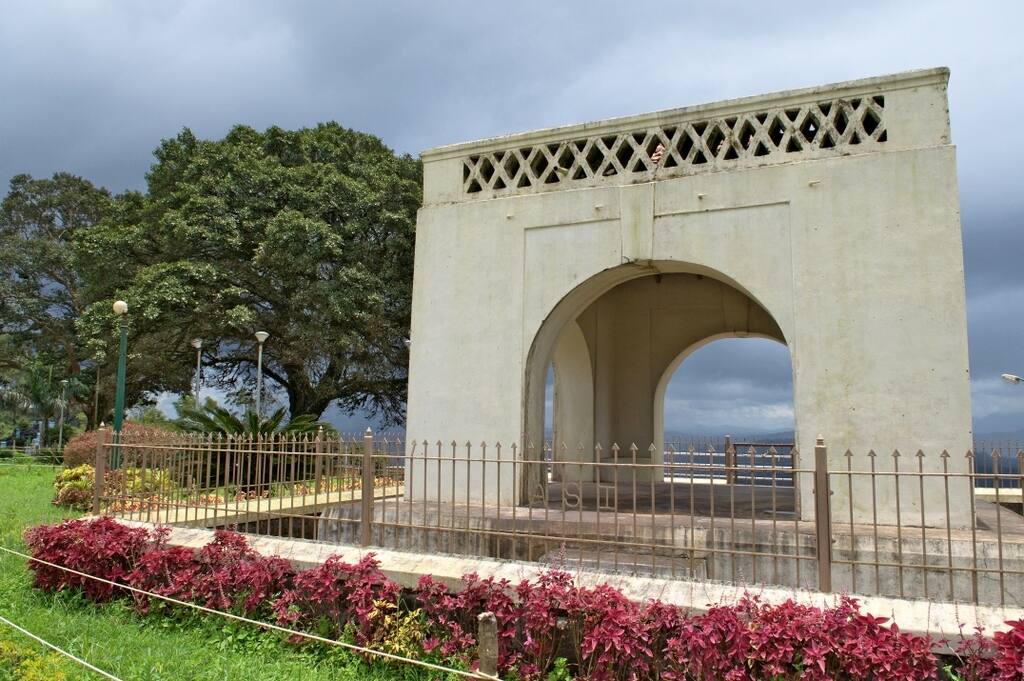
View from Muneeswaran Kunnu in WayanadMoist deciduous forest in WayanadPozhuthana area of Wayanad
Photos from Wikimedia Commons. Select a photo for its author and licence.
Best time to go
When
What to expect
October to February
Cool and pleasant, the most popular time for sightseeing, treks and safaris. Winter lows in the sanctuary area are about 13 C.
March to May
Warmer, with summer highs of about 32 C, but still good for travel. One source says the wildlife sanctuary closes from mid-March to late April, so check before planning a safari.
June to September
Monsoon with heavy rain, mostly June to August. Kuruva Island shuts in the rains, some treks and caves may close, and the July 2024 Mundakkai-Chooralmala landslide shows the risk in heavy rain.
Sights and activities
1
Lakkidi Viewpoint
The gateway to Wayanad at the top of the Thamarassery ghat road, at about 700 m, with views over cliffs and valleys and the well-known Chain Tree.
Distance
About 16 km from Kalpetta; about 5 km from Vythiri
A natural freshwater lake of about 8.5 hectares ringed by green hills, with pedal and row boats, a walking path and a small aquarium. Ethnic shops nearby sell local spices and honey.
Distance
About 13 km from Kalpetta; 3 km from Vythiri
Entry
About 40 per adult, 30 per child; boating extra (about 400 for a 4-seater)
Timings
9 AM to 5 PM; recent reports say centres close earlier on some days
Described by Kerala Tourism as India's largest earth dam, built of stacked stones and boulders, with a reservoir dotted with small islands. Speed boats, coracles and a zipline operate here.
Distance
About 15 to 22 km from Kalpetta
Entry
40 per adult, 20 per child; dam-top shuttle 15 one way or 25 return; boating and zipline extra
The southern range of a 344 sq km sanctuary declared in 1973 and part of Project Elephant, bordering Bandipur and Mudumalai. Visitors see only the outer zone by jeep safari.
Distance
About 14 to 18 km from Sulthan Bathery; about 39 km from Kalpetta
Entry
One source quotes about 2,100 for Indians, likely per safari
A granite temple believed to date from the 13th century, with carved pillars in Vijayanagara style. Tipu Sultan is said to have used it to store ammunition.
Distance
About 24 km from Kalpetta; 1 km from Sulthan Bathery bus station
A Vishnu temple in forest at the foot of the Brahmagiri Hills, known as the Kashi of the South for rites for the departed, beside the Papanasini stream.
National Highway 766 links Wayanad with Kozhikode and Mysuru. KSRTC buses run often from Kozhikode to Kalpetta (about 68 km, about 2 hours), and KSRTC Kerala, KSRTC Karnataka and private operators run from Bengaluru (about 290 km, about 7 hours) and Ernakulam (about 250 km, about 6.5 to 7 hours).
By train
Kozhikode (Calicut) is the nearest major railway station, about 70 to 90 km from Kalpetta. Kannur station is about 110 km away.
By air
Calicut International Airport near Kozhikode is about 80 to 90 km from Kalpetta. Kannur International Airport is about 110 km away. Taxis are available at both.
Where to base yourself
Kalpetta, the district headquarters, or the resort belt around Vythiri and Lakkidi on the Kozhikode road.
Getting around
KSRTC and private buses link Kalpetta, Sulthan Bathery, Mananthavady and Vythiri, and are the cheapest way between towns.
Hiring a taxi for the day is the practical way to cover scattered sights; standard taxi tariffs in the region work out to about 45 rupees per km.
Jeep shuttles run at some sights: about 70 per person at Edakkal, 15 to 25 per person to the Banasura dam top, and about 500 per jeep (6 to 7 people) to Neelimala viewpoint.
Safaris inside the wildlife sanctuary are only by the jeeps allowed in during fixed morning and afternoon slots.
Often combined with
Places people usually visit on the same trip, and how long it takes to get between them.
Basic hotels in Kalpetta and Sulthan Bathery, or hostel dorm beds in Vythiri
₹950 to ₹1,800
Mid-range
Town hotels and smaller resorts in Kalpetta, Sulthan Bathery and Vythiri
₹2,200 to ₹5,000
Luxury
Plantation and forest resorts around Vythiri and Padinjarathara
₹6,000 to ₹13,000
Food
Kalpetta and Sulthan Bathery have many simple restaurants; a meal at an inexpensive restaurant in the region costs about 150 rupees, and a three-course meal for two at a mid-range place about 900. Resorts have their own dining.
Try these
Wayanad honey (wild and farm honey sold across the district)
Gooseberry (amla) preserved in honey, a local favourite
Wayanadan pepper and other local spices
Check at your hotel. Simple vegetarian meals are generally offered at town restaurants in Kerala.
Daily costs
Budget level
Stay per room
Food per person
Local transport
Budget
₹1,100
₹450
₹200 per person
Mid-range
₹3,000
₹1,000
₹2,500 per vehicle
Luxury
₹8,000
₹2,500
₹3,500 per vehicle
Per day. Travel to and from your city is added in the planner above.
Permits and documents
No permit is needed to visit Wayanad. The Chembra Peak trek needs prior permission from the Forest Range Office at Meppadi, the wildlife sanctuary allows visits only with prior permission and only in the outer zone, and Neelimala viewpoint needs forest department permission. Carry photo ID.
Safety
By day
Generally a calm tourist district. Follow guides on treks and stay in vehicles during safaris, as the sanctuary is elephant country.
At night
Towns are quiet after dark and forest roads see wildlife; avoid driving forest stretches late and keep night plans near your stay.
Solo women
Use registered taxis and DTPC or forest-department guided treks, and stay in well-reviewed hotels.
Roads
The main road from Kozhikode climbs the Thamarassery ghat with nine hairpin bends up to Lakkidi. In heavy monsoon rain landslides are possible; the Mundakkai-Chooralmala disaster of 30 July 2024 closed tourism centres for weeks.
Emergency numbers
112 (all emergencies)
Practical
Mobile network
All the main networks (Jio, Airtel, Vi and BSNL) work in town. Coverage is likely in towns and weaker in forests and on treks.
ATMs and cash
ATMs are easy to find in town. Kalpetta and Sulthan Bathery, the main towns, are the places to look for ATMs.
Fuel
There are several petrol pumps in and around town. Fill up in the main towns before heading to remote areas such as Thirunelli.
Medical
Hospitals are easy to find across the city. In an emergency dial 112, or 108 for an ambulance in most states. Kalpetta, the district headquarters, is the main town for hospitals. Larger hospitals are in Kozhikode.
Lakkidi, Pookode Lake, Banasura dam (with the dam-top shuttle) and the Jain temple are easy. Edakkal needs a climb of about 45 minutes and Chembra is a long trek.
Children
Pookode Lake boating, Banasura dam and the jeep safari suit children. Child tickets are about half price at the dam and lake.
Wheelchair users
Edakkal Caves and Chembra Peak are not suitable. Lakeside paths and viewpoints may be partly accessible.
Unless a sight is described as accessible, assume it is not step-free.
Culture and responsible travel
Tribal communities such as the Paniyas, Kurumas, Adiyars, Kurichyas and Kattunaikkans make up about a fifth of the district's people. Ask before taking photos in villages.
Kerala's Responsible Tourism programme runs village-life packages in Wayanad that put money into local hands; consider these over generic tours.
Thirunelli Temple is a working pilgrimage site for rites for the departed; dress modestly and keep noise low.
Buy local honey, spices and tribal handicrafts from the ethnic shops near Pookode Lake rather than mass-made souvenirs.
Keep noise down and carry litter back on safaris and forest treks.
What to pack
Photo ID (Aadhaar, passport or driving licence); hotels and permits ask for it
Walking shoes with a good grip, a small daypack and a refillable water bottle
Clothes in earthy colours, a cap and binoculars for safaris
Some cash in small notes for autos, stalls and tips
Your regular medicines, plus basics for stomach upsets, headaches and cuts