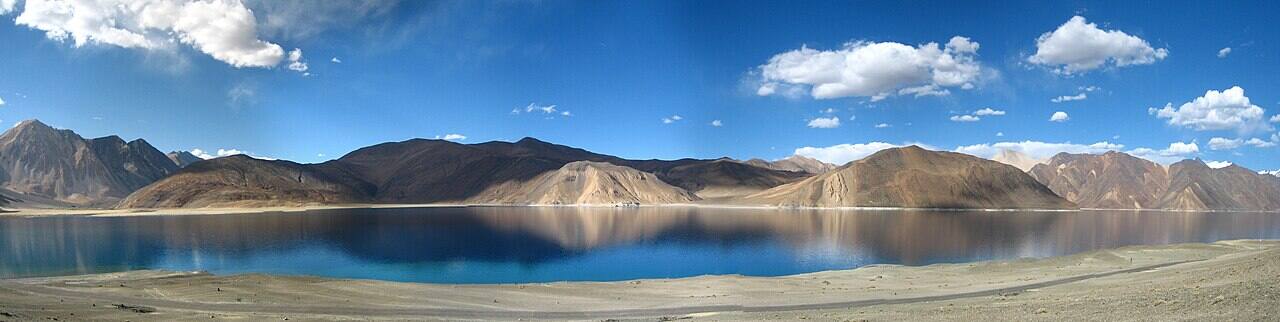
A long salt-water lake at about 4,350 m on the India-China border, a day's drive east of Leh.
FamousLakeVillageAdventure
People come for the colour of the water, which shifts through the day, and for a night beside a very high lake with clear skies. It suits travellers who have already spent at least two nights in Leh to adjust to the altitude. It is not a good choice for anyone with heart or breathing problems, or for very young children.
Trip planner
Plan from your city
Photos
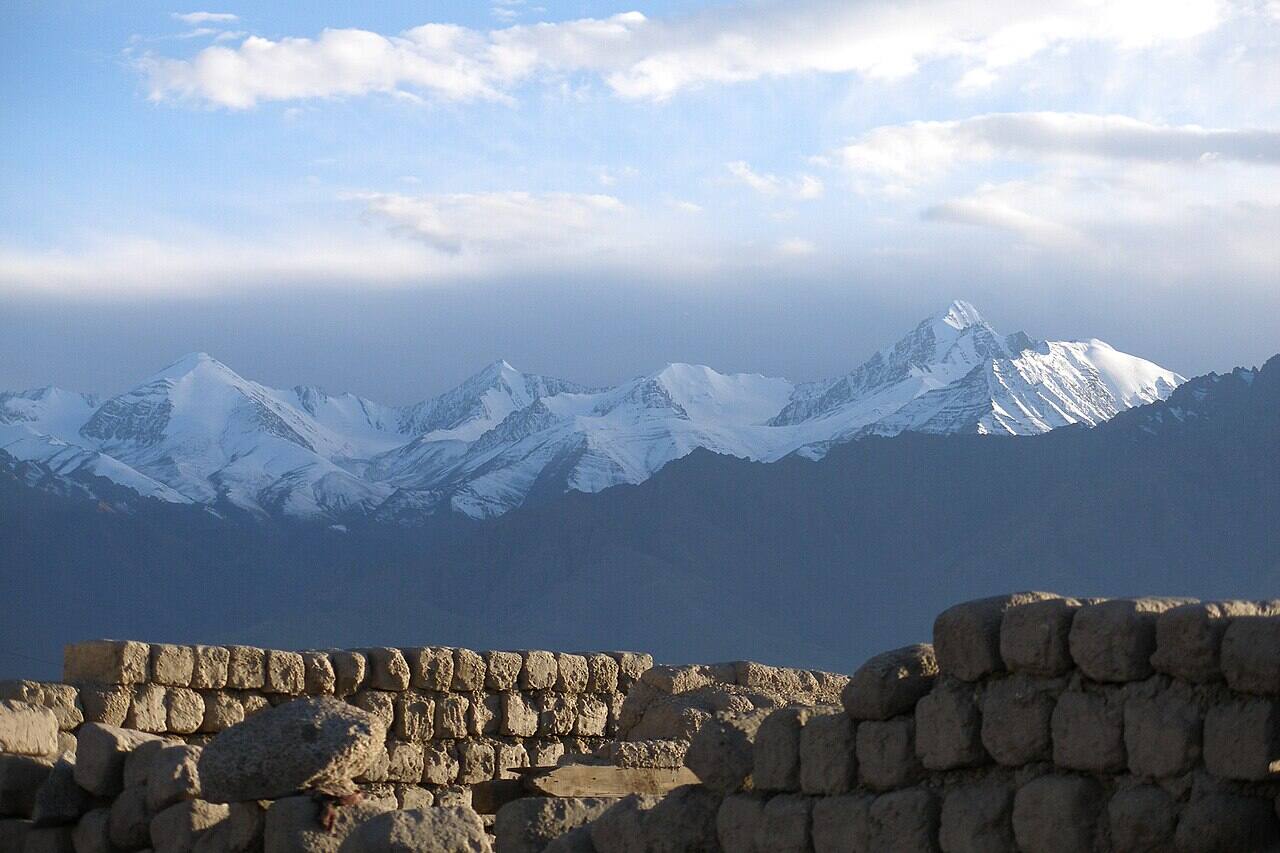
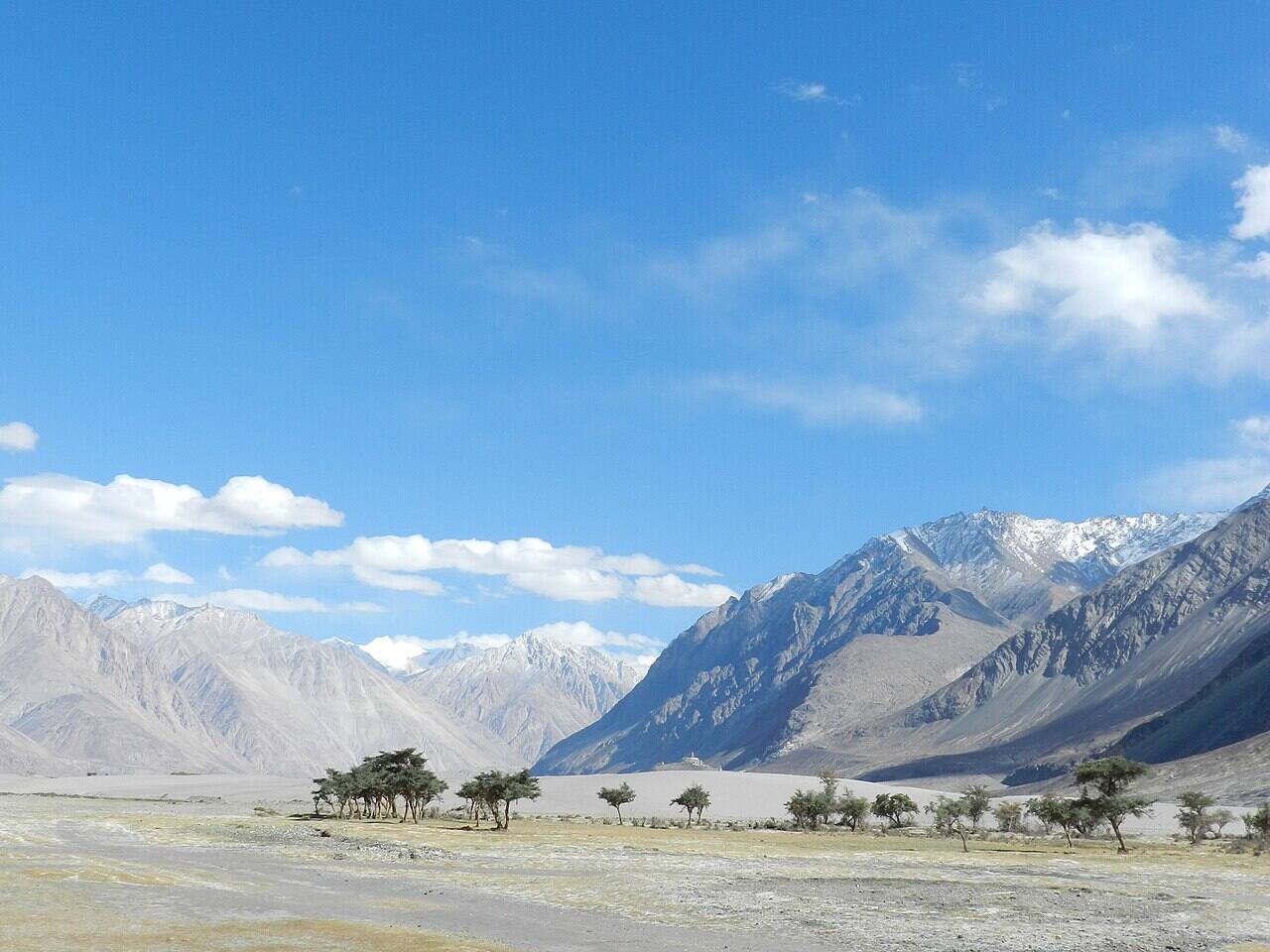
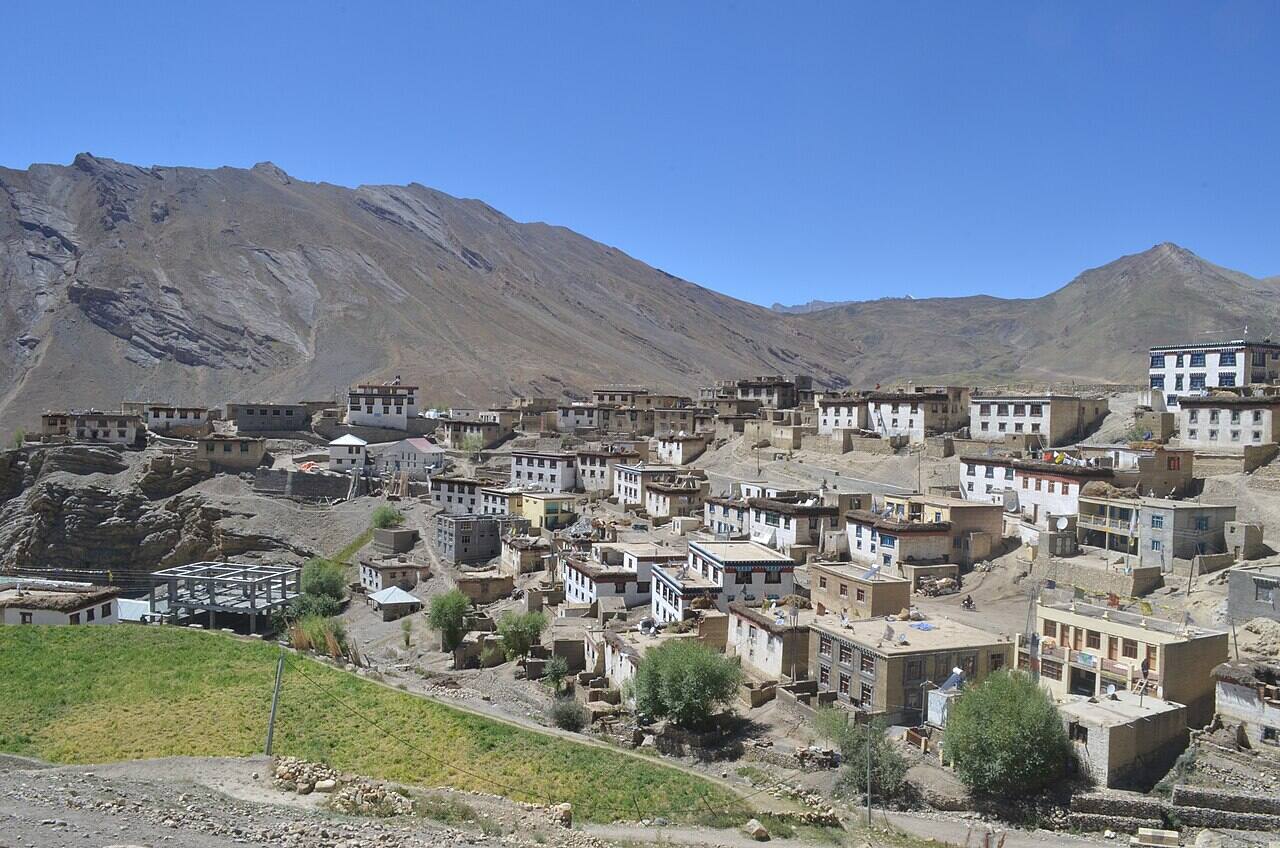
Panoramic view of Pangong TsoPangong Lake, LadakhWide view of Pangong Tso and the surrounding mountainsPangong Tso
Photos from Wikimedia Commons. Select a photo for its author and licence.
Best time to go
When
What to expect
Late May to mid June
Cold with fewer visitors. Parts of the lake can still carry ice in late May and the road over Chang La may have snow.
Mid June to August
Peak season. Days are the warmest of the year, about 17 to 22 C, all camps are open and the lake is busiest. Nights are still close to freezing.
September to early October
Clearest skies and thinner crowds. Nights drop below zero by early October and camps begin to close.
November to April
The lake freezes, usually from January to March. Most camps are shut, only a few homestays stay open and many winter visitors sleep at Tangtse instead. Only for well-prepared trips.
Sights and activities
1
Spangmik lakeshore
The main stretch of shore where most visitors stay. The best colour changes are in the late afternoon up to sunset and again early in the morning.
The high pass on the road from Leh, at about 5,360 m. There is a small temple and an army-run tea stall at the top. Keep the stop short because of the altitude.
From Leh the road runs through Karu, Sakti, Chang La, Durbuk, Tangtse and Lukung to Spangmik, about 160 to 170 km and 5 to 6 hours by car. A public bus runs from Leh bus stand only on Saturday and Sunday mornings. A second route comes from Nubra Valley through Shyok village.
By train
There is no railway in Ladakh. Travellers come to Leh by air or by road.
By air
Kushok Bakula Rimpochee Airport, Leh, about 160 to 170 km from the lake. Direct flights from Delhi take about 1 hour 10 minutes.
Where to base yourself
Spangmik village on the lake shore has the widest choice of camps, cottages and homestays; Man and Merak further along are quieter.
Getting around
There is no local bus or taxi stand at the lake; visitors use the taxi they came in to reach Lukung, Man and Merak.
Under the 2025-26 Ladakh taxi union rate card an Innova or XUV costs about Rs 10,470 for a same-day Leh-Pangong return and about Rs 12,464 for a two-day trip with one night.
Shared two-day trips from Leh cost about Rs 2,500 to 3,500 per person.
The weekend bus from Leh returns from Spangmik at about 6 am on Sunday and Monday.
The shore around Spangmik can be covered on foot, but walk slowly because of the altitude.
On the way
Worth a stop on the drive from Leh, the last stretch whether you arrive by train, bus or air. Stopping needs a taxi or your own vehicle; buses do not wait. Distances are by road.
1
Shey Palace
Former summer palace of Ladakh's kings, with a large gilded seated Buddha in its monastery.
Homestays and basic tented camps, some with shared bathrooms
₹1,000 to ₹2,500
Mid-range
Tented camps and wooden cottages with attached bathrooms
₹2,500 to ₹5,000
Luxury
Luxury camps and cottages, usually with dinner and breakfast included
₹5,000 to ₹15,000
Food
Most people eat at their camp or homestay, and many camps include dinner and breakfast in the room rate. Dhabas in Tangtse and a few tent stalls along the lake serve simple meals, Maggi noodles, omelette and thukpa.
Try these
Thukpa (noodle soup)
Momos (steamed dumplings)
Skyu (Ladakhi pasta stew)
Butter tea (salted tea with butter)
Tsampa (roasted barley flour)
Simple vegetarian meals are the norm at camps and stalls.
Daily costs
Budget level
Stay per room
Food per person
Local transport
Budget
₹1,500
₹500
₹0 per person
Mid-range
₹3,500
₹900
₹2,000 per vehicle
Luxury
₹9,000
₹1,500
₹2,000 per vehicle
Per day. Travel to and from your city is added in the planner above.
Permits and documents
Indian visitors need the Ladakh inner line permit, paid as an environment fee of Rs 400, a wildlife fee of Rs 20 per day and a Red Cross contribution of Rs 50, about Rs 590 for a week. Apply online at lahdclehpermit.in or at the Deputy Commissioner's office in Leh, with a government photo ID. It is valid for up to three weeks; children under 12 are exempt. Foreign nationals need a Protected Area Permit arranged through a registered travel agent in Leh. Carry four or five printed copies, as check posts at Durbuk and Tangtse keep one each.
Safety
By day
The main risk is altitude sickness. Spend at least two nights in Leh first, drink plenty of water, avoid alcohol and go down if you get a severe headache, vomiting, confusion or breathlessness at rest.
At night
Nights are near or below freezing even in summer. Camps are spread out and there is little lighting, so stay in after dark and carry warm layers and a torch.
Solo women
No specific reports found online. Camps and homestays are family or staff run; book a known camp in advance and travel in daylight.
Roads
The road over Chang La is largely tarred but the pass can close after snowfall, and the drive takes 5 to 6 hours each way. Check road conditions before leaving Leh and do not drive onto the lake bed.
Emergency numbers
112 (all emergencies)
Practical
Mobile network
Patchy and unreliable. Only postpaid SIMs work in Ladakh; sources report BSNL as the widest coverage and some Jio signal at Spangmik and Airtel near Man and Merak. Do not rely on it.
ATMs and cash
None at the lake. Use ATMs in Leh and carry cash, as digital payments often fail.
Fuel
No fuel at the lake. The last pump is at Karu, about 36 km from Leh; fill up there or in Leh.
Medical
No hospital at the lake. Tangtse has only basic medical help; for anything serious go down to Leh.
Possible only for fit seniors after proper acclimatisation in Leh. Not advised for people with uncontrolled blood pressure, recent heart problems, or severe asthma or lung disease.
Children
One source advises against bringing children under 7 because of the altitude. Older children need the same two nights in Leh first.
Wheelchair users
No accessibility information was found online. The shore is loose gravel and camps are basic, so assume it is not wheelchair friendly.
Unless a sight is described as accessible, assume it is not step-free.
Culture and responsible travel
Wild camping is not allowed; stay only in licensed camps and homestays.
Do not swim or wade in the lake.
Do not drive off the road or onto the lake bed, as it damages the shore.
Do not feed birds or other wildlife; bar-headed geese and Brahminy ducks visit the lake in summer.
This is a border area close to the Line of Actual Control; keep your permit handy and follow instructions at army check posts.
What to pack
Photo ID (Aadhaar, passport or driving licence); hotels and permits ask for it
Printed copies of your permit, with a few passport-size photos
Thermals, a down or fleece jacket, gloves and a warm cap, even in summer
Sunglasses, high-SPF sunscreen and lip balm: the sun is harsh at altitude
Ask your doctor before you go about altitude sickness and what to carry for it
A rain jacket or umbrella and quick-dry clothes
Enough cash for the whole stay, a power bank and offline maps
Your regular medicines, plus basics for stomach upsets, headaches and cuts