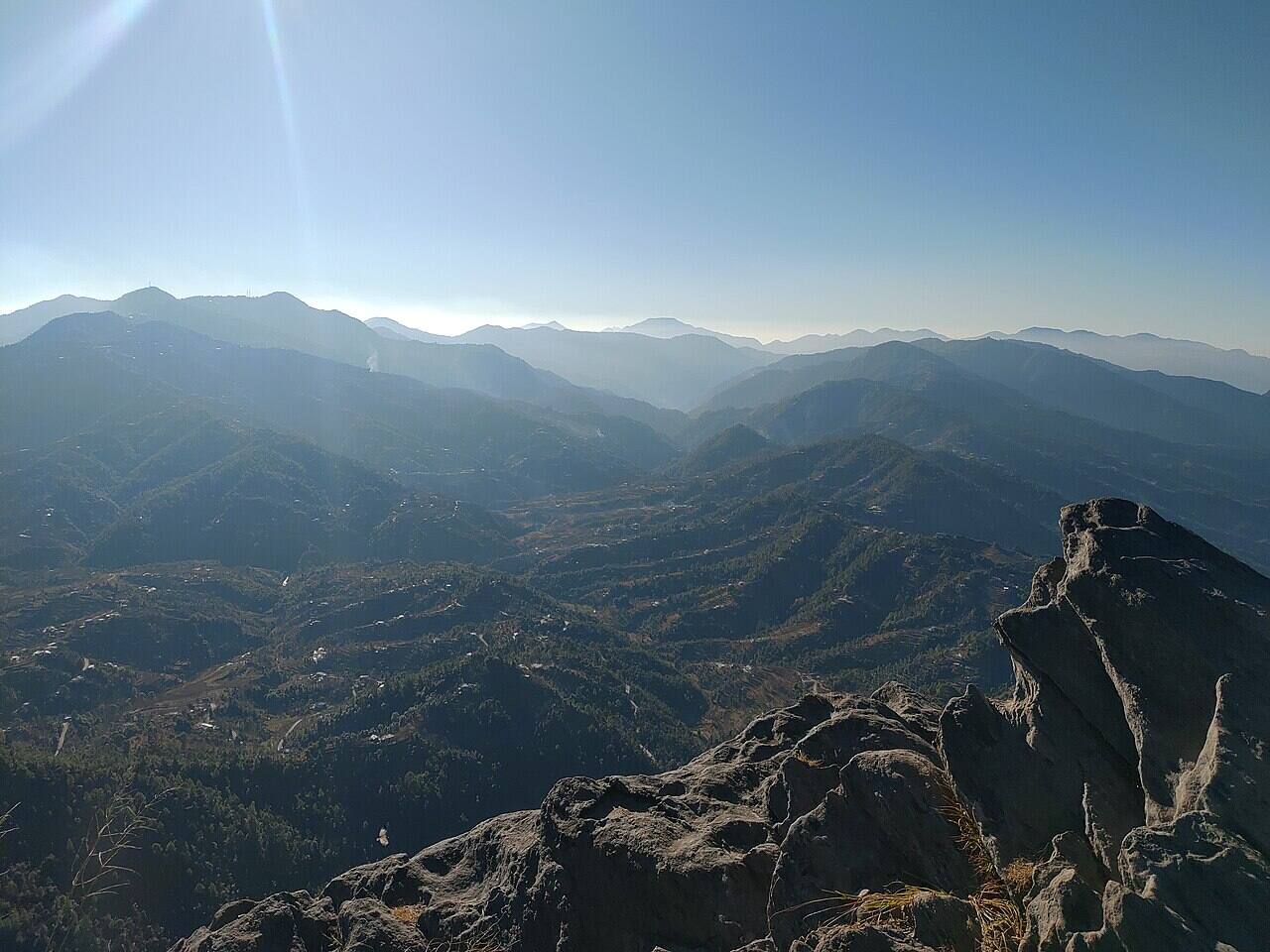
India's oldest national park, a tiger reserve of sal forest and grassland in the Himalayan foothills.
FamousWildlifeRiverPilgrimage
Corbett was set up in 1936 and is known for tigers, wild elephants and more than 600 bird species, seen on jeep and canter safaris through forest and river grassland. It suits wildlife lovers, bird watchers and families who are happy with early mornings and booking ahead. Ramnagar town is the base, about 260 km by road from Delhi.
Trip planner
Plan from your city
Photos
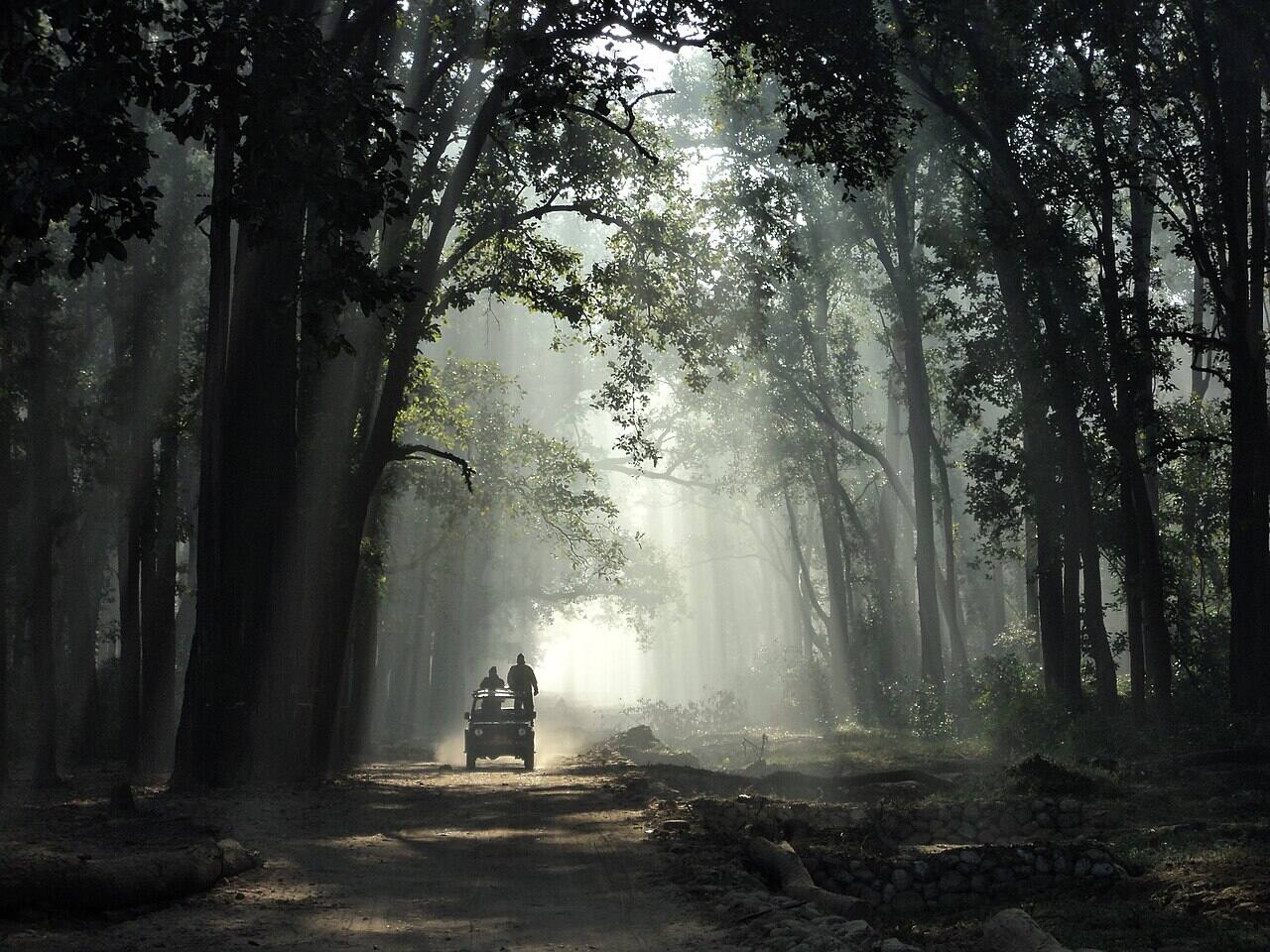
Jim Corbett National ParkAn elephant herd in the parkA Bengal tiger in the parkWildlife in Jim Corbett National Park
Photos from Wikimedia Commons. Select a photo for its author and licence.
Best time to go
When
What to expect
November to February
Cool and scenic, good for birds. Winter temperatures can fall to about 5 to 8 C and morning safaris are very cold. Dhikala, Durgadevi and the other core zones open from 15 November.
March to mid-June
Hot, rising to about 40 C, but this is the best period for tiger sightings as animals gather near water.
Mid-June to mid-October
Monsoon. Dhikala closes on 15 June and Bijrani on 30 June. Only a few zones such as Jhirna and Dhela stay open, weather permitting. Bijrani reopens on 15 October.
Sights and activities
1
Bijrani Zone
Dense forest zone close to Ramnagar with high tiger activity, entered through the Amdanda gate.
Distance
Gate is about 1 to 2 km from Ramnagar
Entry
About 6,000 to 10,000 per jeep (up to 6 people) all in: permit, jeep, driver and guide. The permit alone has been about 3,380 for Indians; guide rates were revised in April 2026, and hotels commonly quote about 9,000.
Timings
Open 15 October to 30 June. Morning and afternoon safaris; start times change with the season, roughly 6:00-6:30 am and 1:30-3:00 pm
The largest and most scenic zone, with wide grasslands and views of the Ramganga river, entered through the Dhangarhi gate. Day visitors go by shared canter bus; jeeps are for guests staying in the forest rest houses.
Distance
Gate is about 18 km from Ramnagar
Entry
Canter seat 1,500 plus 18% GST (about 1,770) for Indians, 3,000 plus GST for foreigners
Timings
Open 15 November to 15 June. Two canter trips a day, morning and afternoon
A waterfall in thick teak forest, popular for picnics. Cars can drive in from the main road to a parking area, and the falls are a 300 to 400 m walk from there, including a few steps.
Distance
About 25 to 27 km from Ramnagar, 4 km from Kaladhungi
Entry
About Rs 50 per person, plus about Rs 100 per vehicle to drive in
Ramnagar is about 260 to 270 km from Delhi by road through Hapur, Moradabad and Kashipur, 5 to 7 hours by car. State buses run from Anand Vihar and Kashmere Gate in Delhi to Ramnagar bus stand.
By train
Ramnagar railway station is in the town itself. Trains from Delhi include the Ranikhet Express, whose Corbett Park Link section runs from Moradabad and reaches Ramnagar at about 4:15 am.
By air
Pantnagar airport is the nearest, about 80 km from Ramnagar (sources give 58 to 81 km). Delhi airport is about 260 to 295 km away.
Where to base yourself
Stay in or near Ramnagar, or in the resorts along the Kosi river on the road north of town towards Dhikuli and Garjiya, which is close to the Bijrani and Dhikala gates.
Getting around
Safari jeeps (gypsies) are the main way to see the park. A jeep safari for up to 6 people costs about 6,000 to 10,000 all in (permit, jeep, driver and guide), depending on zone and season; hotels commonly quote about 9,000.
The shared canter bus into Dhikala costs about 1,770 per seat for Indians, including GST.
Taxis and local buses run from Ramnagar to Garjiya and to Kaladhungi for the museum and Corbett Falls.
Walking inside the forest is not allowed, so every visit to a zone needs a booked vehicle.
Often combined with
Places people usually visit on the same trip, and how long it takes to get between them.
There are no restaurants inside the protected area. Most visitors eat at their resort, which usually serves North Indian, Chinese, Mughlai and some Kumaoni food. Ramnagar and Dhikuli have restaurants and cafes at all price levels. Non-vegetarian food and alcohol are banned at the forest rest houses.
Try these
Kumaoni thali (local hill-style set meal)
North Indian thali (rice, roti, dal and vegetables)
Vegetarian food is available everywhere and is the only food allowed in the forest rest houses.
Daily costs
Budget level
Stay per room
Food per person
Local transport
Budget
₹1,500
₹500
₹1,300 per person
Mid-range
₹5,000
₹1,200
₹500 per vehicle
Luxury
₹10,000
₹2,500
₹800 per vehicle
Per day. Travel to and from your city is added in the planner above.
Paid once for the visit
Budget level
What
Cost
Mid-range
Two jeep safaris (permit, jeep, driver and guide)
about ₹18,000
Luxury
Two jeep safaris (permit, jeep, driver and guide)
about ₹18,000
Permits and documents
Every safari needs a permit, booked online on the official Corbett Tiger Reserve site (corbettgov.org, also reached through corbettonline.uk.gov.in). You can book it yourself, or your hotel or agent books it for you using your ID details. The permit is for the zone and slot; the jeep, driver and guide are arranged separately from operators registered with the reserve, usually through your hotel, so confirm who is booking what before you pay. Upload a valid government photo ID (Aadhaar, voter ID, driving licence or passport) when booking and carry the same ID, as it is checked at the gate. Permits are not refunded or transferred. Reach the gate about 45 minutes early.
Safety
By day
Stay inside the vehicle on safari; getting down is not allowed. Do not feed or chase animals, avoid bright clothes and perfume, and keep quiet. Use only the official booking site, as the reserve warns about scam websites.
At night
Safaris run only in daylight. The roads around the park pass through forest used by elephants and other animals, so avoid walking or driving on them after dark.
Solo women
No specific problems were reported in the sources used. Safaris are in shared or hired vehicles with a registered guide; arrange transport through your hotel for early starts.
Roads
The road from Delhi through Hapur, Moradabad and Kashipur is a regular highway route. Trains arrive at Ramnagar very early in the morning, so arrange a pick-up beforehand.
Manageable, as safaris are done seated in a vehicle, but the tracks are bumpy and starts are early and cold in winter. Indian senior citizens get a discount on permits with proof of age.
Children
Suitable for families. A jeep permit covers up to 6 people including 2 children under 12. Children need a separate ticket on the canter.
Wheelchair users
Open safari jeeps are high to climb into, and Garjiya temple and Corbett Falls involve steep steps or a walk.
Unless a sight is described as accessible, assume it is not step-free.
Culture and responsible travel
Keep silent on safari and never ask the driver to leave the track or crowd an animal.
Plastic bags, tobacco, inflammable items and pets are not allowed inside the reserve.
Non-vegetarian food, alcohol and firecrackers are banned at the forest rest houses.
Do not litter, smoke, or pick plants in the forest.
Garjiya Devi is an active shrine; dress modestly and follow the queue on the steps.
What to pack
Photo ID (Aadhaar, passport or driving licence); hotels and permits ask for it
Printed copies of your permit, with a few passport-size photos
Clothes in earthy colours, a cap and binoculars for safaris
Clothes that cover shoulders and knees, and socks for hot stone floors where shoes come off. Some temples do not allow phones or bags, so carry little
Some cash in small notes for autos, stalls and tips
Your regular medicines, plus basics for stomach upsets, headaches and cuts
Multi-stop trips that include Jim Corbett National Park