A high Himalayan national park of alpine flower meadows, reached only on foot from Ghangaria.
FamousTrekMeadowPilgrimageRiver
The valley is part of a UNESCO World Heritage Site and is known for meadows of alpine flowers that bloom through the monsoon. It suits walkers who are fit enough for several days of mountain trails and do not mind rain and basic lodges. Many visitors combine it with the climb to the Sikh shrine of Hemkund Sahib from the same base.
Trip planner
Plan from your city
Photos
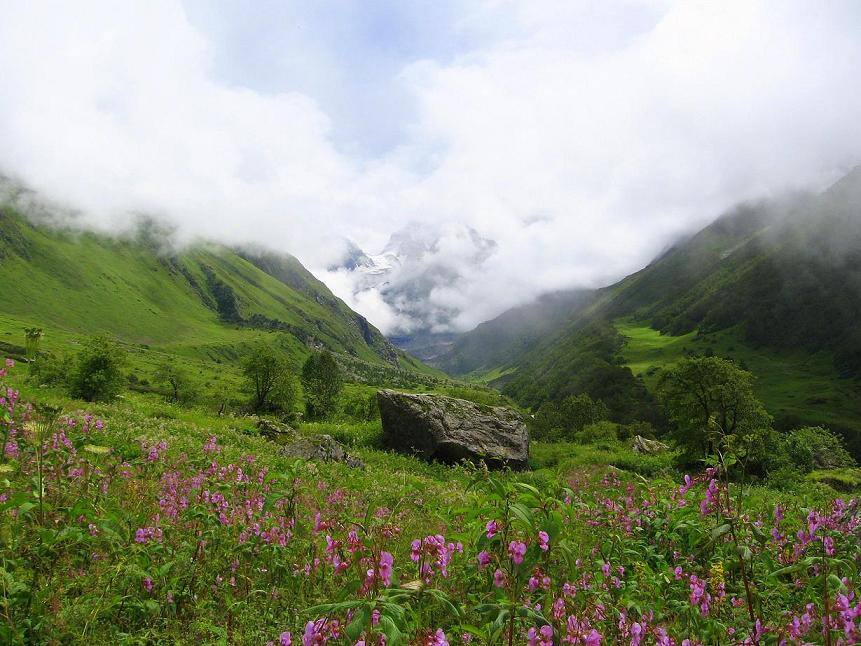
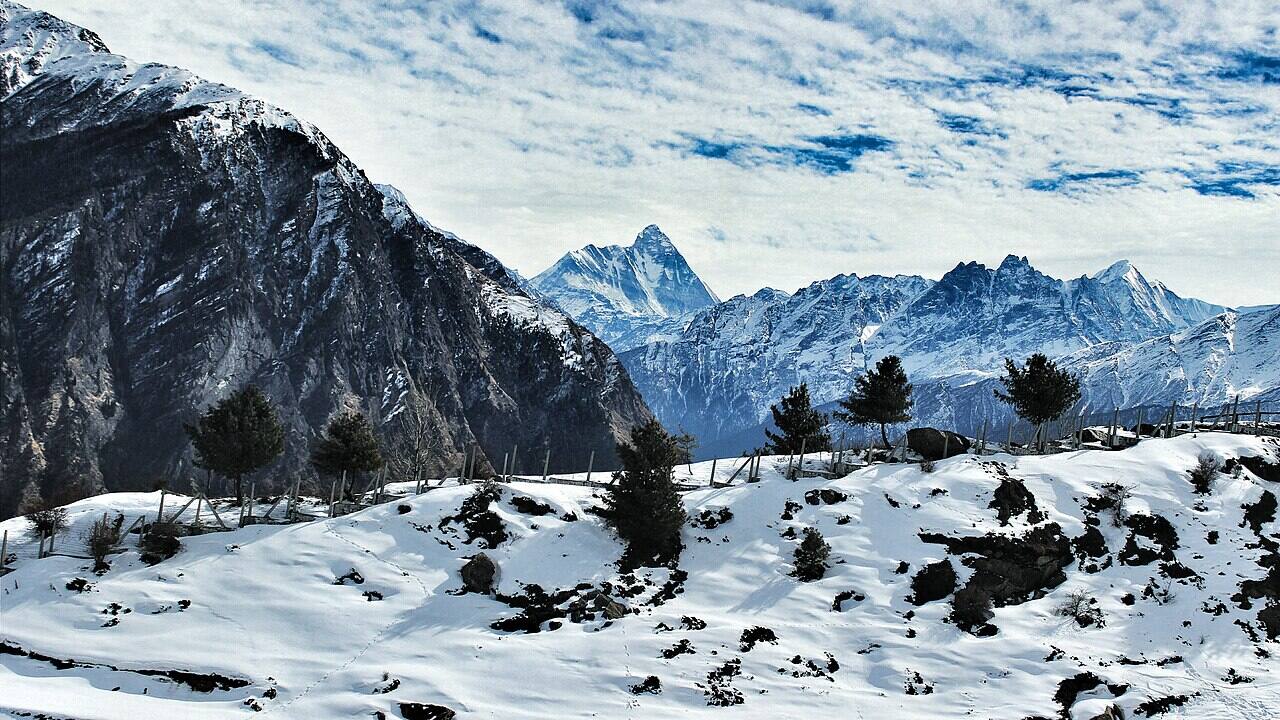
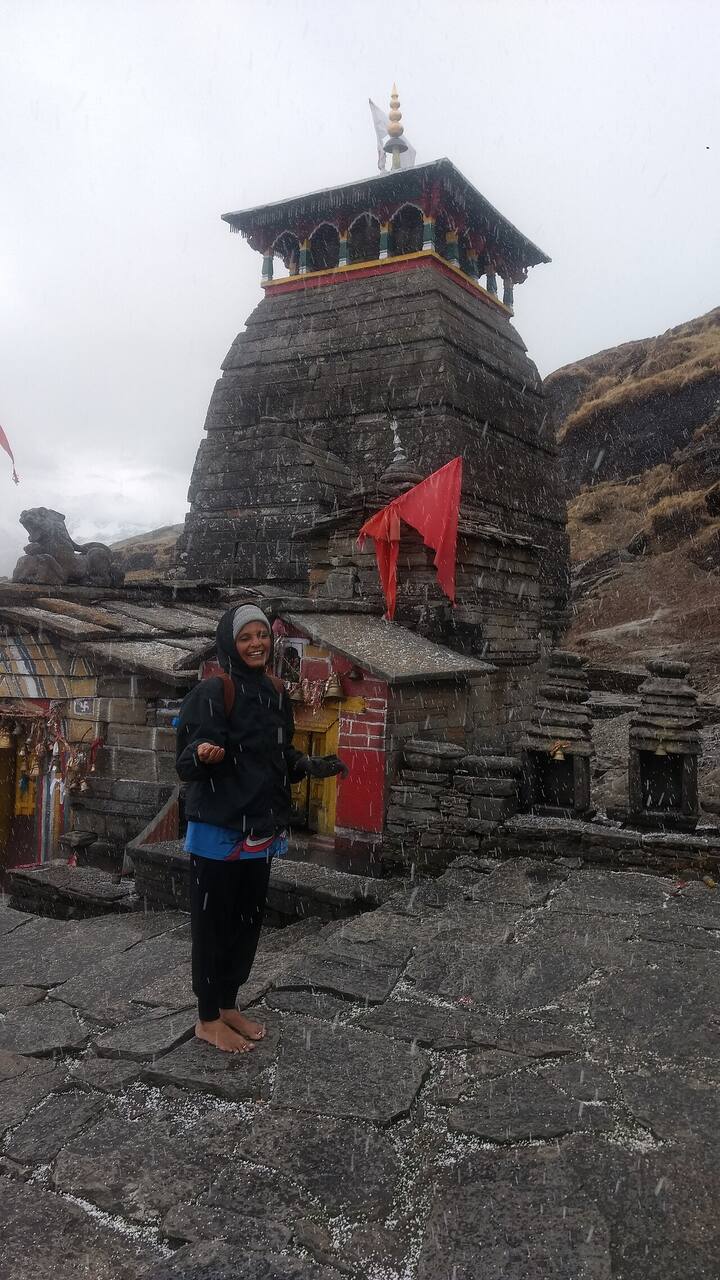
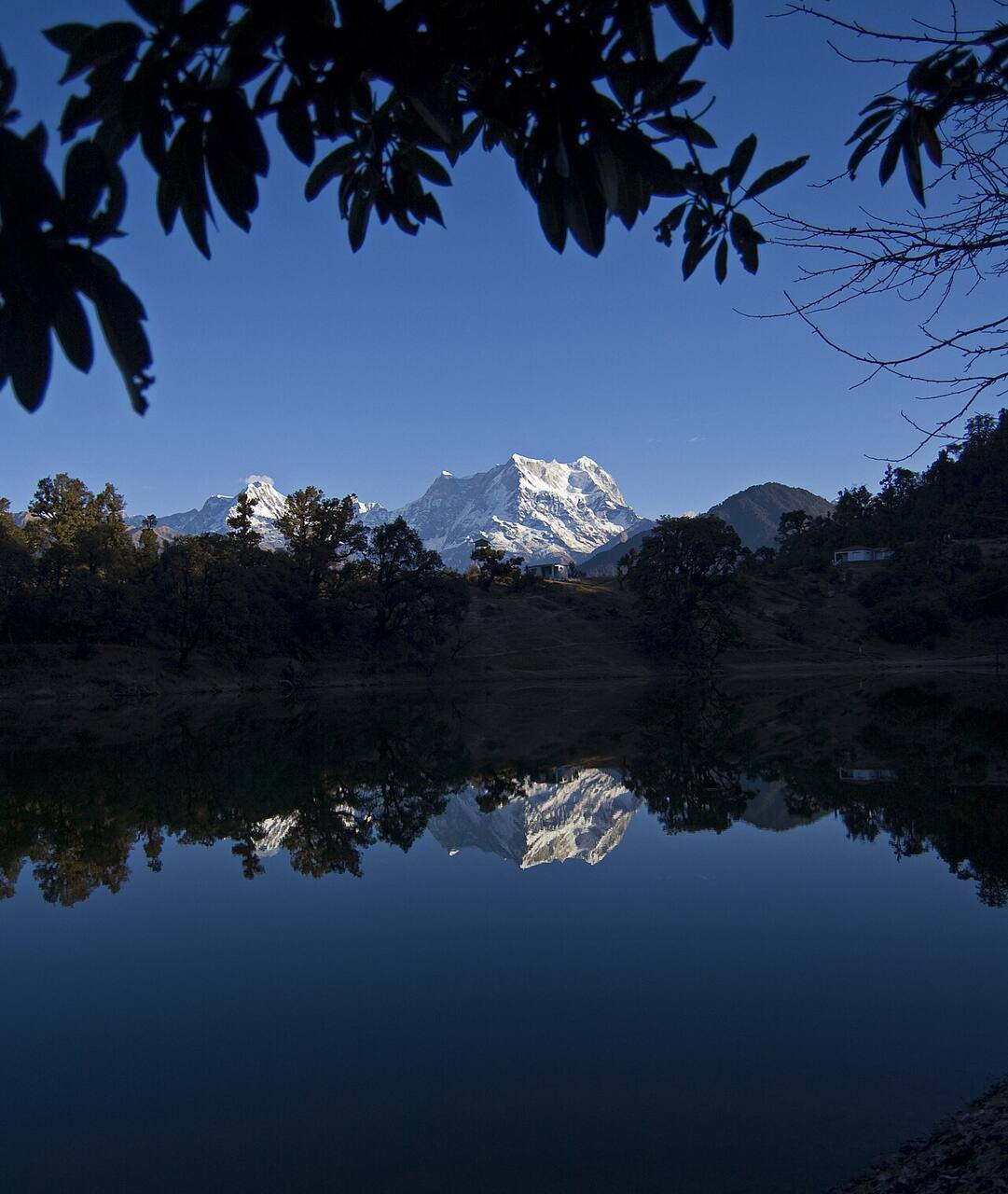
Wide view of the Valley of FlowersPushpawati river inside the valleyWild plants on the trail from Ghangaria to Hemkund
Photos from Wikimedia Commons. Select a photo for its author and licence.
Best time to go
When
What to expect
June
The park opens on 1 June. Snow is still lying in places, few flowers are out and there are fewer visitors.
July to August
Peak bloom, from about mid-July to mid-August. This is also the heavy monsoon, with mud, leeches, landslides and frequent road blocks on the highway.
September
Less rain and still a good number of flowers. Often described as the best balance of weather and bloom.
October
Clear skies and good mountain views, but the flowers thin out. The park closes on 31 October.
November to May
Closed. The valley is under snow.
Sights and activities
1
Valley of Flowers National Park
An 87.5 sq km park of alpine meadows with about 500 to 600 kinds of flowering plants. Day visits only; there is no food or shelter past the gate, so carry water and a packed lunch.
Distance
About 4 km one way from Ghangaria, on foot
Entry
200 rupees for Indians and 800 rupees for foreigners, valid for 3 days; children under 12 free
Timings
Gate opens 7 am, last entry 2 pm, everyone must be out by 5 pm; open 1 June to 31 October only
A small seasonal village at about 3,050 m with lodges, simple eating places and a gurudwara. Both the valley trail and the Hemkund Sahib trail start here.
Distance
The base itself; about 9 to 10 km on foot from Pulna
Buses and taxis run from Rishikesh and Haridwar to Govindghat, about 250 to 275 km and 10 to 12 hours, with buses leaving early in the morning. From Govindghat a shared jeep covers 4 km to Pulna, and the rest is a 9 to 10 km walk to Ghangaria. Tour operators also run organised trips with transport included from Rishikesh; see Guided trips and packages below.
By train
Rishikesh is the nearest railway station, about 277 km from the valley by road and trail.
By air
Jolly Grant Airport at Dehradun is the nearest airport, about 285 km from Govindghat.
Where to base yourself
Stay in Ghangaria, the last village on the trail, about 4 km below the valley; nobody is allowed to stay overnight inside the park.
Getting around
Shared jeeps run the 4 km road from Govindghat to Pulna for about 50 rupees per person each way.
From Pulna to Ghangaria it is a 9 to 10 km walk of 5 to 7 hours; there is no road.
A pony or porter for the Govindghat to Ghangaria stretch costs about 1,000 to 2,000 rupees, with some sources quoting up to 3,500 rupees one way.
A helicopter shuttle between Govindghat and Ghangaria costs about 3,500 to 6,500 rupees one way, and flies only in clear weather.
Inside the park and on the Hemkund Sahib trail everything is on foot; a pony to Hemkund Sahib costs about 1,500 to 2,000 rupees one way.
On the way
Worth a stop on the drive from Rishikesh, the last stretch whether you arrive by train, bus or air. Stopping needs a taxi or your own vehicle; buses do not wait. Distances are by road.
1
Devprayag
Where the Bhagirathi and the Alaknanda meet and become the Ganga. It is the last of the Panch Prayag (five holy confluences). Steps lead down from the town to the sangam, with the old Raghunath temple above it.
Distance
About 70 km from Rishikesh, 200 km before Govindghat
Temple of Dhari Devi, worshipped as the guardian goddess of the Char Dham, set on the Alaknanda between Srinagar and Rudraprayag. The shrine was raised onto a platform above the river in 2013 because of the dam reservoir. A short walk down from the highway.
Distance
About 110 km from Rishikesh, 160 km before Govindghat
Confluence of the Alaknanda and the Mandakini, one of the Panch Prayag. The roads to Kedarnath and Chopta branch off the Badrinath highway here. Koteshwar Mahadev, a cave temple on the Alaknanda, is about 3 km away.
Distance
About 140 km from Rishikesh, 140 km before Govindghat
Confluence of the Alaknanda and the Pindar, one of the Panch Prayag, linked in legend with Karna of the Mahabharata. The Uma Devi temple stands near the sangam.
Distance
About 170 km from Rishikesh, 100 km before Govindghat
Confluence of the Alaknanda and the Dhauliganga, the first of the Panch Prayag, about 12 km beyond Joshimath on the Badrinath road. A small Vishnu temple overlooks the gorge.
Distance
About 260 km from Rishikesh, 7 km before Govindghat
Organised group treks to the Valley of Flowers run from Rishikesh, usually 6 days / 5 nights and often combined with Hemkund Sahib, with road transport to Joshimath or Govindghat and stays in Joshimath and Ghangaria. Fixed departures are mostly in July and August, with some from late June to September. Prices found on private operators' sites were about Rs 7,500 to Rs 9,500 per person before tax.
₹8,499 per person Rishikesh to Rishikesh, quad sharing, plus 5% GST, as listed on 2026-10-04. Triple sharing 8,999 and double sharing 9,499, also plus GST.
Shared Sumo or Tempo Traveller from Rishikesh and back, hotel stay (2 nights Joshimath, 3 nights Ghangaria), vegetarian meals, trek leader and support staff, permits (as stated on the page)
Group trek, shared transport offered at extra cost
Rishikesh
6 days / 5 nights
₹7,499 per person Trek fee per person, as listed on 2026-10-04. The shared vehicle between Rishikesh and Joshimath is charged separately at 1,200 per person each way.
Stay in Joshimath and on the trek, meals on trekking days, trek leader. Shared Tata Sumo or Bolero from Rishikesh is arranged by the operator but paid extra (as stated on the page)
On request No price shown; the page says price on request, as seen on 2026-10-04.
Transport from Rishikesh to the trailhead and back, hotel, guest house or camp stay, meals during the trek, local guide, entry fee and permits (as stated on the page)
Checked online on 2026-10-04. A listing here is not a recommendation; we have no tie-up with these operators. Before you pay, check that the operator and its website are genuine, and confirm dates, price and what is included.
Where to stay
Budget level
Type
Price per night
Budget
Basic guesthouse rooms in Ghangaria or Govindghat; the gurudwaras also offer free pilgrim lodging
₹300 to ₹800
Mid-range
Mid-range lodge rooms in Ghangaria
₹800 to ₹1,500
Luxury
Best available lodge rooms in Ghangaria; no true luxury hotels were found
₹1,500 to ₹2,000
Food
Meals are simple and are eaten at lodge kitchens and small eating places in Ghangaria, at trail stalls on the way up, or at the gurudwara langar. Nothing is sold inside the park, so carry a packed lunch and water for the valley day.
Try these
Gurudwara langar (free community meal served at the gurudwaras in Govindghat and Ghangaria)
Maggi noodles and tea (the standard snack at stalls along the trail)
Vegetarian food is the norm on this pilgrim route and the langar is vegetarian.
Daily costs
Budget level
Stay per room
Food per person
Local transport
Budget
₹500
₹400
₹100 per person
Mid-range
₹1,200
₹800
₹150 per person
Luxury
₹2,000
₹1,000
₹250 per person
Per day. Travel to and from your city is added in the planner above.
Paid once for the visit
Budget level
What
Cost
Mid-range
Pony or porter, Govindghat to Ghangaria and back
about ₹3,000 per person
Luxury
Pony or porter, Govindghat to Ghangaria and back
about ₹3,000 per person
Permits and documents
A park entry permit is required and is valid for 3 days: 200 rupees for Indians and 800 rupees for foreigners. Entry is reported to be capped at about 300 visitors a day, with online registration on the state portal valleyofflower.uk.gov.in. Carry a photo ID. Badrinath needs separate Char Dham registration.
Safety
By day
Keep to the marked trail and turn back in time to be out of the park by 5 pm. In July and August expect rain, slippery mud and leeches. Altitude sickness is a real risk, most of all at Hemkund Sahib; go down if symptoms get worse.
At night
Nobody may stay in the park after 5 pm. Ghangaria is a small village with no road, so plan to be indoors after dark.
Solo women
The trail is busy with pilgrims and trekkers through the season.
Roads
The highway from Rishikesh to Govindghat is a long mountain road that is often blocked by landslides in the monsoon. Keep a spare day in your plan.
Emergency numbers
112 (all emergencies)
Practical
Mobile network
Mobile signal is weak to non-existent beyond Govindghat. Do not count on data in Ghangaria.
ATMs and cash
ATMs and digital payments are unreliable beyond the highway towns. Carry enough cash for the whole trek; guides suggest a buffer of 6,000 to 10,000 rupees.
Fuel
Fill up before leaving the larger highway towns.
Medical
A dispensary at the Ghangaria gurudwara is reported. Joshimath, about 22 km from Govindghat, is the nearest town.
Hard going on foot. Ponies, porters and the helicopter can cover the stretch to Ghangaria, but the valley itself is a 4 km walk each way at over 3,000 m.
Children
Children under 12 enter free. The long walking days and the altitude make it suitable only for older children used to hiking.
Wheelchair users
Not accessible. There is no road beyond Pulna and the trails are steep and uneven.
Unless a sight is described as accessible, assume it is not step-free.
Culture and responsible travel
Do not pick flowers or plants and stay on the marked trail inside the park.
Carry all plastic and litter back out with you.
Hemkund Sahib and the gurudwaras at Govindghat and Ghangaria are places of worship; behave respectfully and follow the rules posted there.
The park has been closed to grazing and mountaineering since 1983; only regulated visits are allowed.
What to pack
Photo ID (Aadhaar, passport or driving licence); hotels and permits ask for it
Printed copies of your permit, with a few passport-size photos
Thermals, a down or fleece jacket, gloves and a warm cap, even in summer
Sunglasses, high-SPF sunscreen and lip balm: the sun is harsh at altitude
Ask your doctor before you go about altitude sickness and what to carry for it
Walking shoes with a good grip, a small daypack and a refillable water bottle
A rain jacket or umbrella and quick-dry clothes
Clothes that cover shoulders and knees, and socks for hot stone floors where shoes come off. Some temples do not allow phones or bags, so carry little
Enough cash for the whole stay, a power bank and offline maps
Your regular medicines, plus basics for stomach upsets, headaches and cuts