Asia's tidiest village, 90 km from Shillong, paired with the glass-clear Umngot river at Dawki.
Lesser-knownVillageRiverWaterfall
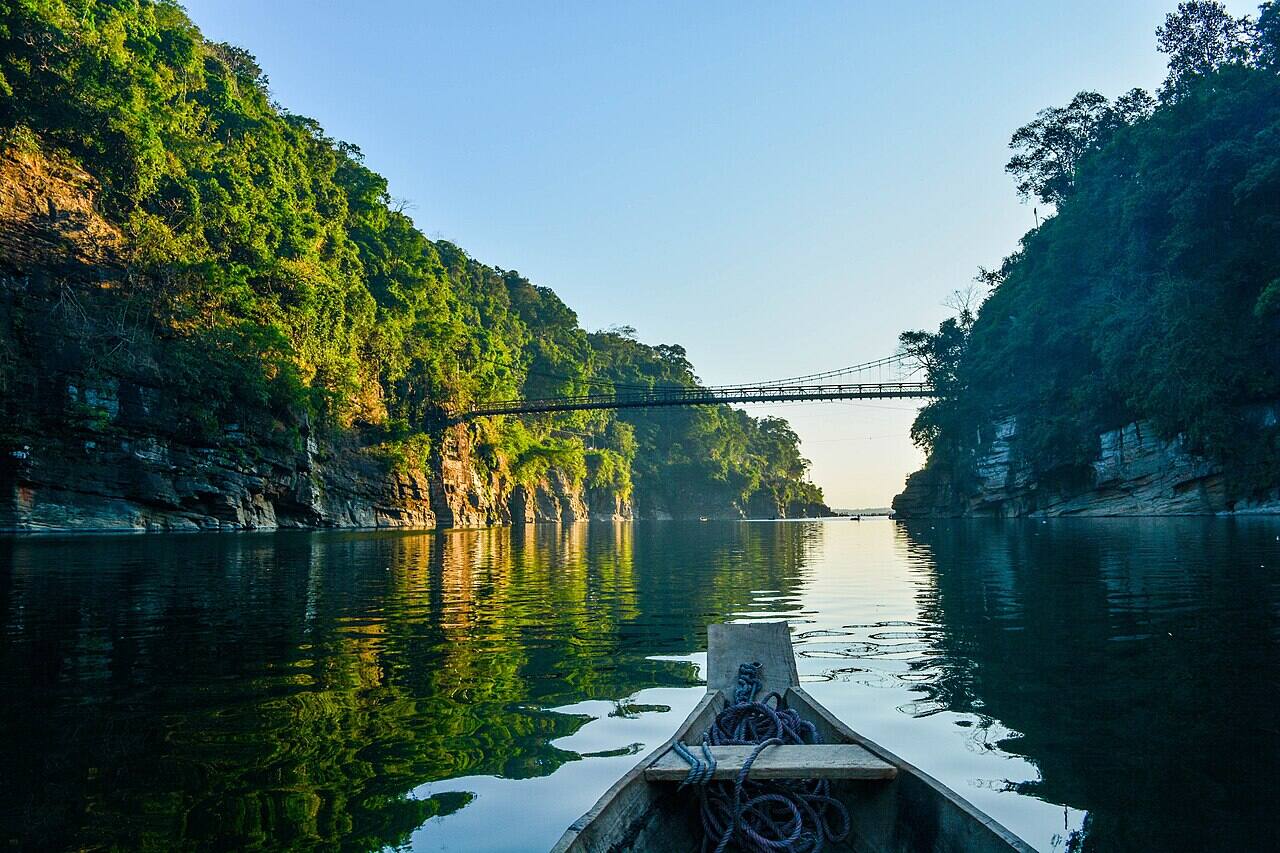
Mawlynnong was called Asia's cleanest village twenty years ago and has run with it since: bamboo dustbins along every lane, composting, a ban on plastic and smoking, and a cleaning roster everyone takes part in. It sits on the lip of the Khasi hills looking down into Bangladesh. Half an hour away at Dawki the Umngot river runs so clear in winter that boats appear to float on air, and a living root bridge at Riwai is a short walk off the same road.
Trip planner
Plan from your city
Photos
The clear Umngot river at DawkiBoats on the UmngotBoats drawn up at Dawki
Photos from Wikimedia Commons. Select a photo for its author and licence.
Best time to go
When
What to expect
November to March
The season for Dawki. The Umngot runs clear and green in the dry months, which is the whole reason to come. Cool mornings, comfortable days.
October
The monsoon has just ended, so waterfalls are still full but the river is beginning to clear. A good compromise.
May to September
The heaviest rain in India falls on these hills. The Umngot runs brown and fast, boating usually stops, and roads can slip.
Sights and activities
1
Mawlynnong village
A Khasi village of perhaps ninety households, kept spotless by a community roster, with flower-lined lanes, bamboo bins and composting pits. Smoking and plastic are banned.
Distance
The village itself, about 90 km from Shillong.
Entry
A small village entry and parking charge is collected.
A single-span bridge of living rubber-fig roots, trained across a stream over decades. Easier to reach than the double-decker bridge at Nongriat, with a short descent of steps.
The river that makes the photographs: in winter the water is clear enough to see the stones on the bed under a boat. Rowing boats are hired by the hour at the Dawki bridge.
The India-Bangladesh land crossing, with the border fence and a view of the plains beginning on the other side. The crossing itself is for ticketed travellers only.
State and private buses and shared Sumos run Guwahati to Shillong all day. From Shillong, shared taxis to Mawlynnong and Dawki leave from Bara Bazar in the morning and thin out by early afternoon; many visitors hire a car for the day.
By train
There is no railway in these hills. Guwahati, about 180 km from Shillong, is the railhead for the whole state.
By air
Guwahati airport is the practical arrival point, about 125 km from Shillong. Shillong has a small airport at Umroi with limited flights.
Where to base yourself
Homestays in Mawlynnong village itself, or riverside camps at Shnongpdeng, 8 km upstream of Dawki. Most people base in Shillong and come for a long day, which is a pity: the villages are at their best in the early morning.
Getting around
Mawlynnong is small enough to walk end to end in twenty minutes.
Shared taxis run Shillong to Mawlynnong and Dawki in the morning; coming back in the afternoon is harder, so confirm the return before you commit.
A hired car for the day from Shillong is how most people cover Mawlynnong, Riwai and Dawki together.
There is no public transport between Mawlynnong and Dawki; it is a taxi or nothing.
Often combined with
Places people usually visit on the same trip, and how long it takes to get between them.
Village homestays in Mawlynnong and basic riverside tents at Shnongpdeng
₹800 to ₹2,000
Mid-range
Better homestays and the organised river camps
₹2,500 to ₹4,500
Luxury
Resorts in Shillong, with a car for the day trip
₹6,000 to ₹11,000
Food
Mawlynnong has a few small village kitchens and homestay meals, and little else. Dawki has basic stalls. Eat where you are staying, and carry water.
Try these
Jadoh, rice cooked with pork and spices, the Khasi staple
Doh khlieh, a pork and onion salad
Tungrymbai, fermented soybean cooked with pork
Pumaloi, steamed powdered rice
Grilled river fish at the Dawki and Shnongpdeng camps
Vegetarian food is easy to find. Possible but limited: Khasi cooking is built around pork. Tell a homestay in advance and they will manage rice, dal and vegetables.
Daily costs
Budget level
Stay per room
Food per person
Local transport
Budget
₹1,200
₹450
₹300 per person
Mid-range
₹3,200
₹900
₹1,500 per vehicle
Luxury
₹7,500
₹1,600
₹3,500 per vehicle
Per day. Travel to and from your city is added in the planner above.
Permits and documents
Indian visitors need no permit. The Dawki land crossing into Bangladesh needs a visa obtained in advance. Villages charge small entry and parking fees collected by the community.
Safety
By day
Both villages are safe and welcoming. On the Umngot, wear the life jacket the boatman provides; the water is deeper than it looks and there have been drownings.
At night
Villages are dark and very quiet after about 8 pm. The road from Dawki back to Shillong is narrow and unlit, and should not be driven late.
Solo women
No specific safety information was found. Khasi society is matrilineal and the villages are considered easy for solo travellers; the usual care applies on the shared-taxi route.
Roads
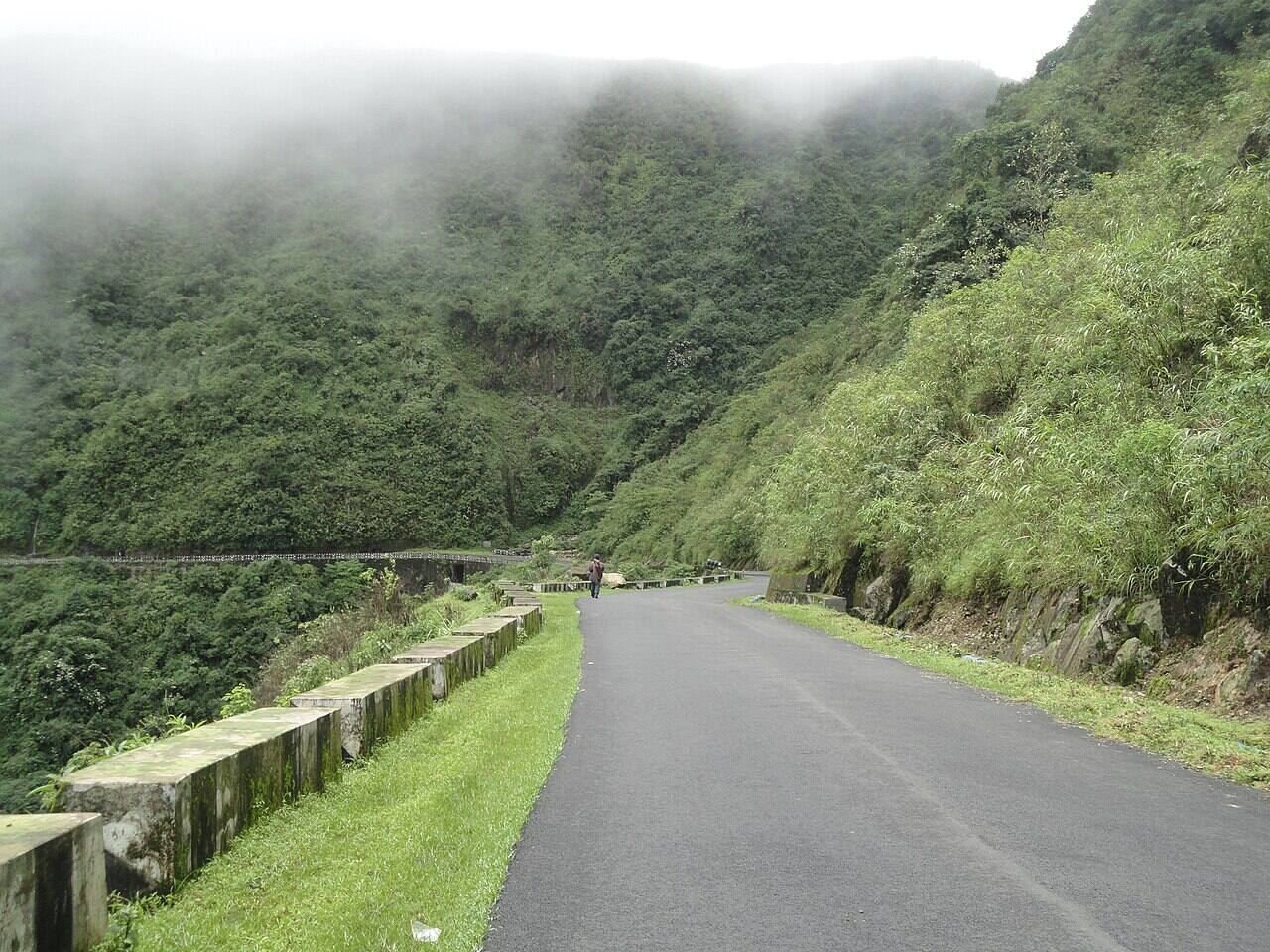
The Shillong to Dawki road is narrow, winding and prone to landslides in the monsoon. Allow more time than the distance suggests.
Emergency numbers
112 (all emergencies), 108 (ambulance)
Practical
Mobile network
Coverage is reported as patchy in Mawlynnong and weak near the border, where phones sometimes pick up Bangladeshi networks.
ATMs and cash
No reliable machine in either village. Withdraw in Shillong and carry cash.
Fuel
There is a petrol pump within about 6 km of the centre. Fill up in Shillong or at Pynursla.
Medical
Only a primary health centre locally. Anything serious means returning to Shillong.