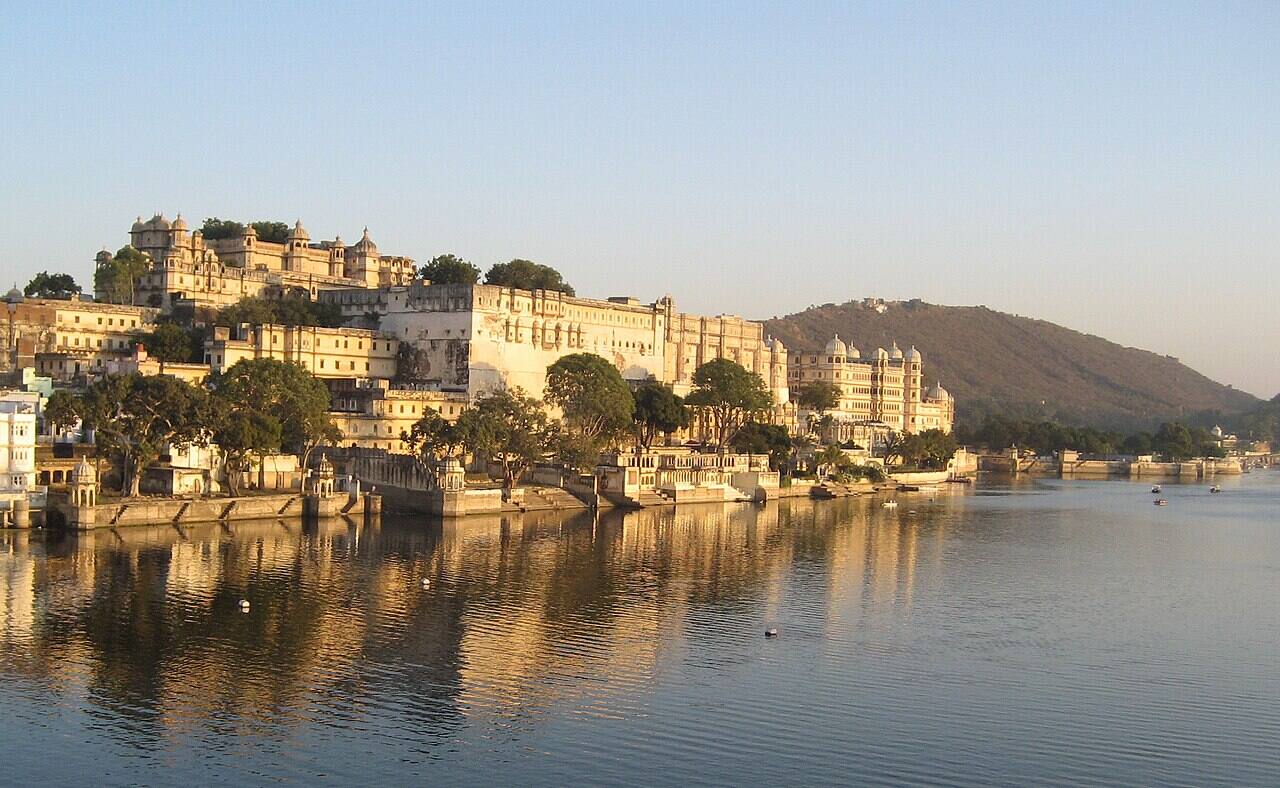
A yellow sandstone fort city in the Thar Desert, with carved havelis and sand dunes nearby.
FamousDesertHeritageCity
Jaisalmer has a fort that people still live in, merchant houses with fine stone carving, and sand dunes about 40 km away where you can ride a camel and sleep in a desert camp. It suits families, couples and first-time visitors to Rajasthan who are happy with a long journey to get there. Come in the cool months, because summer heat makes sightseeing hard.
Trip planner
Plan from your city
Photos
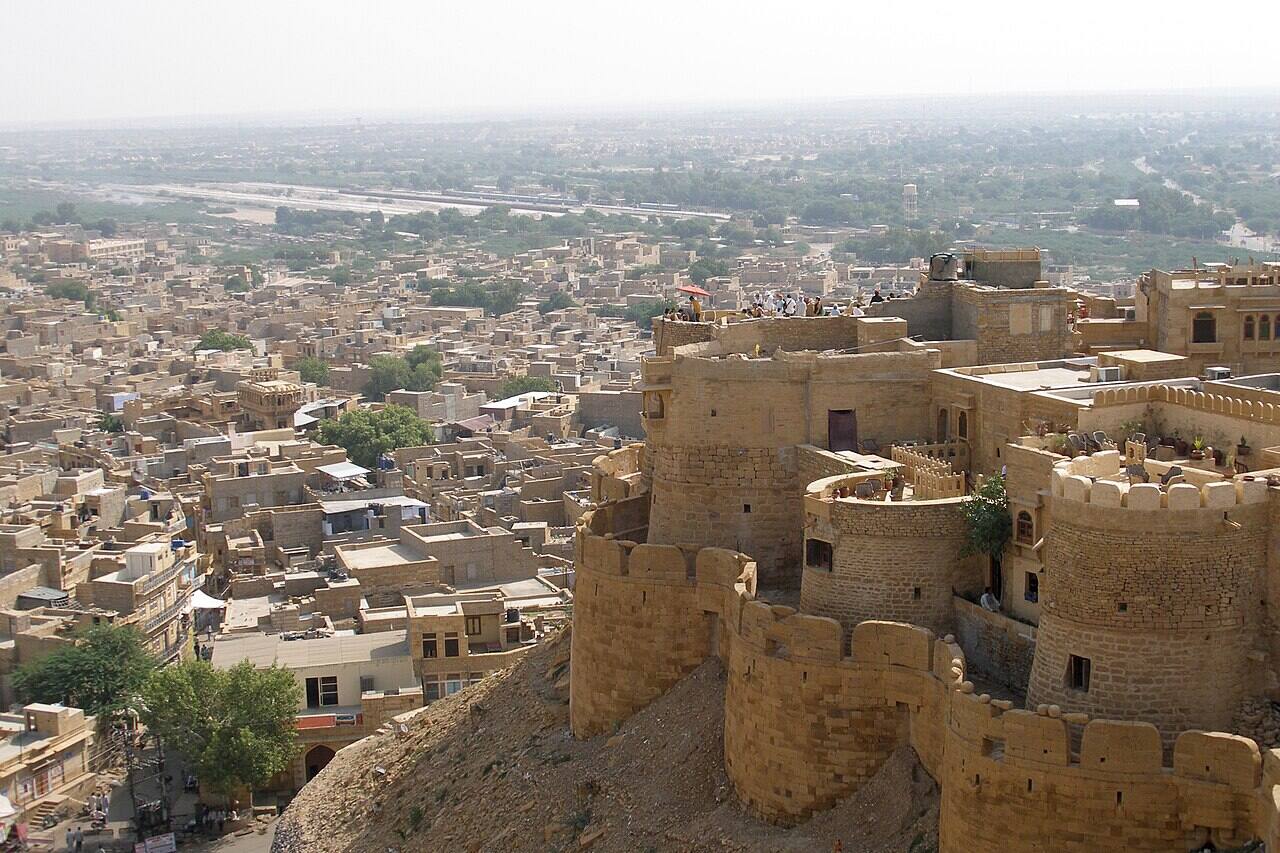
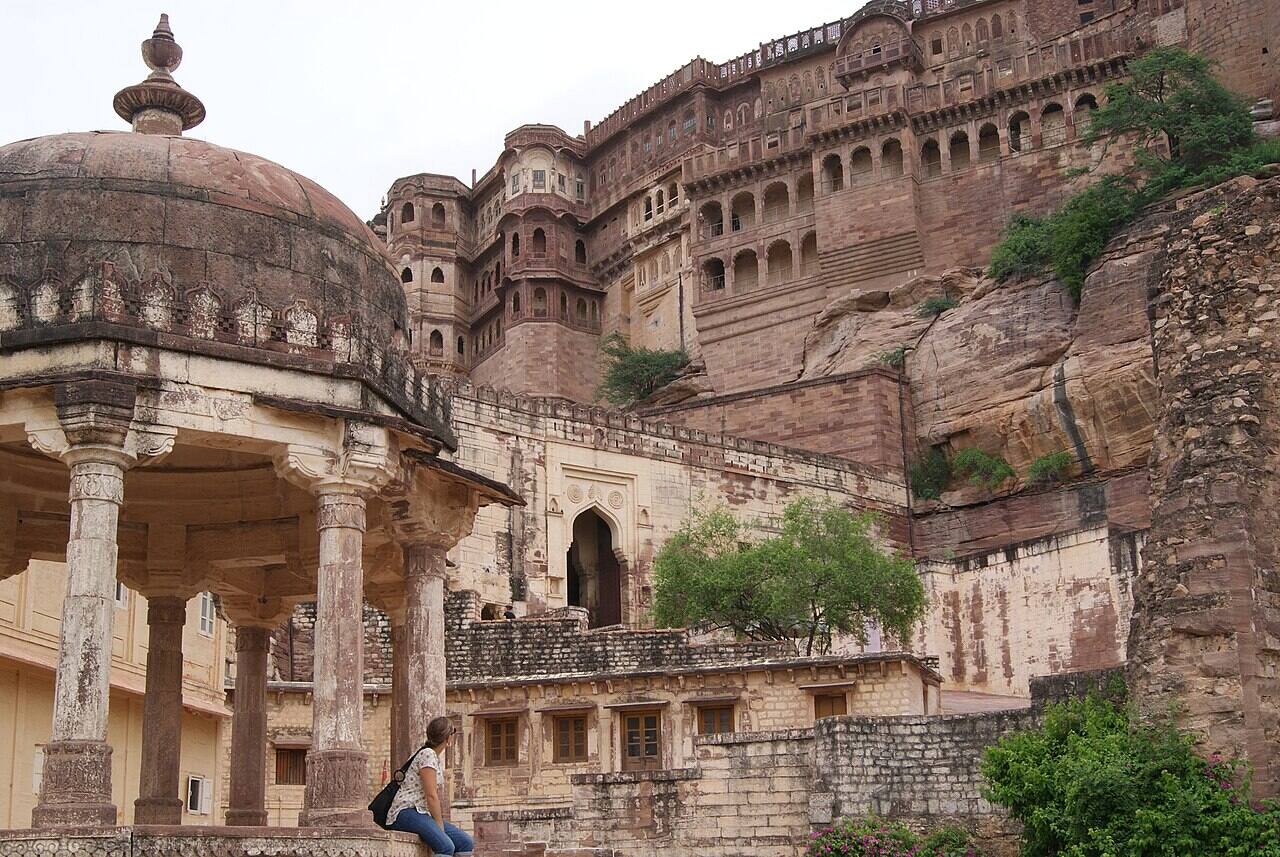
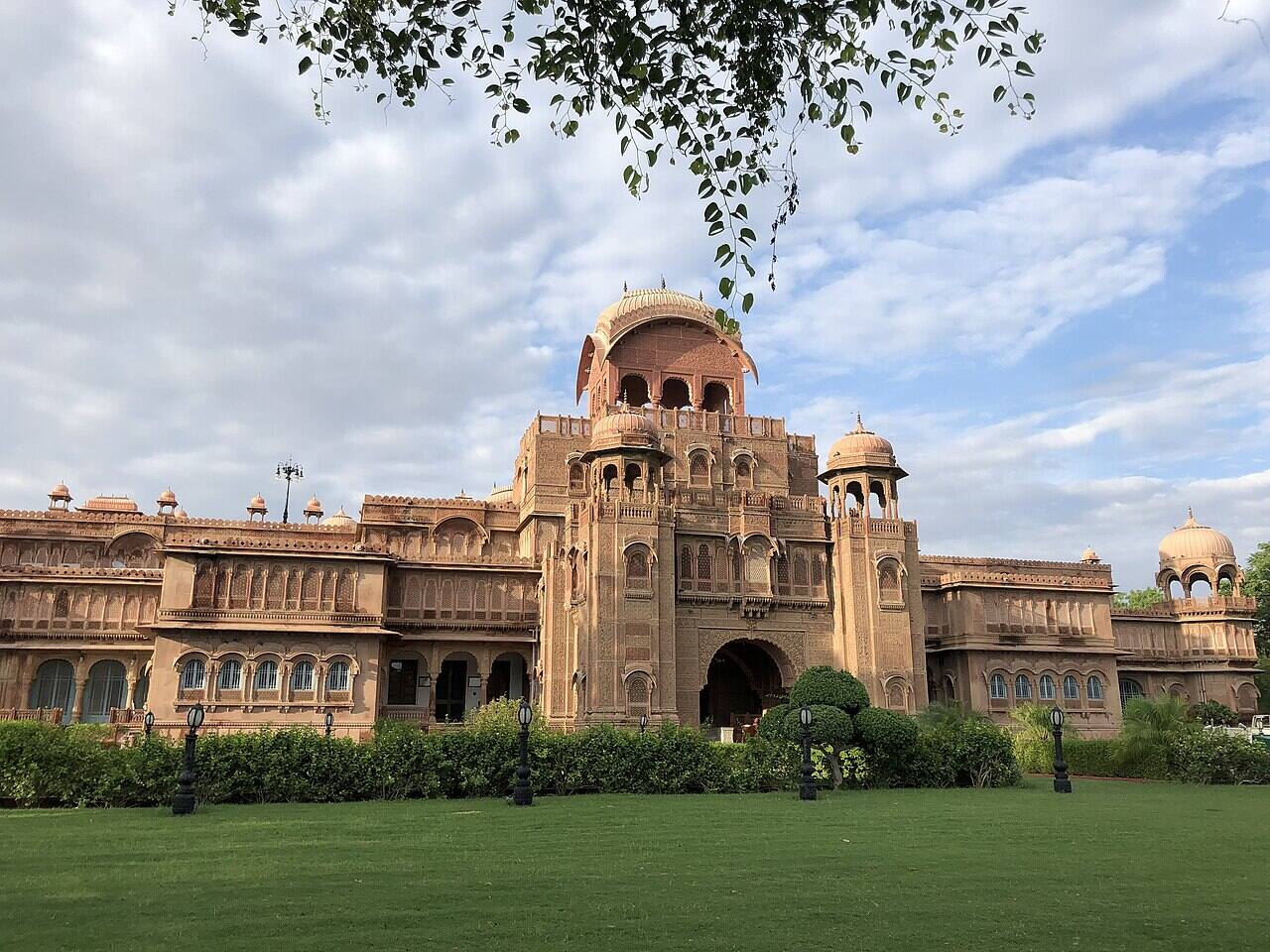
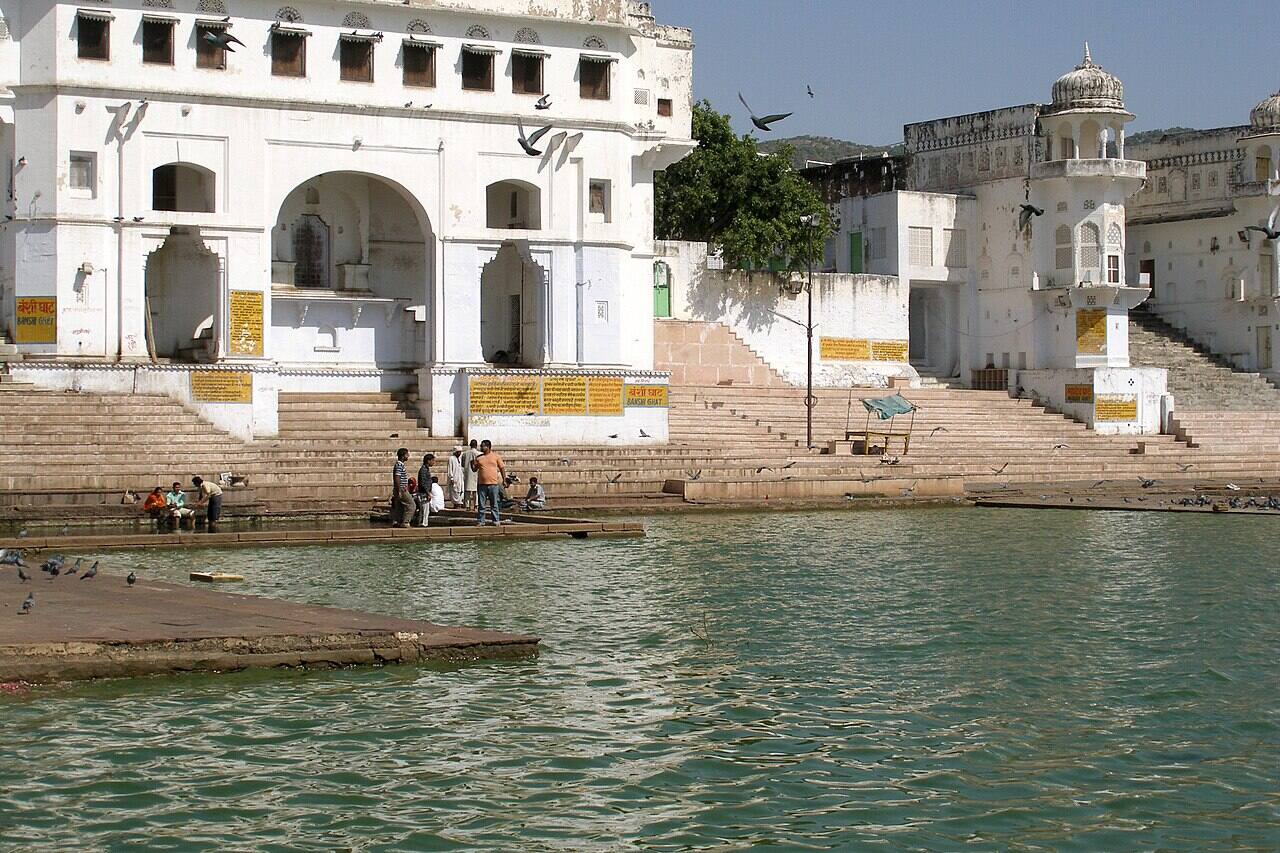
View of Jaisalmer FortThe walls of Jaisalmer FortCarved sandstone haveli in Jaisalmer
Photos from Wikimedia Commons. Select a photo for its author and licence.
Best time to go
When
What to expect
November to February
The best season. Days are mild, around 20 to 25 C, and nights are cold and can fall to single digits, so carry warm clothes. This is also the busiest time, and the Desert Festival is held in February.
October and March
Warm days and cool nights, with fewer visitors than mid-winter.
April to June
Very hot, often above 40 C and up to about 45 C. Most guides advise against visiting.
July to September
Hot and humid with occasional rain and hazy skies. Off season, with few crowds.
Sights and activities
1
Jaisalmer Fort (Sonar Qila)
A sandstone hill fort founded in 1156 and part of a UNESCO World Heritage listing. People still live inside it, along with a palace museum, Jain temples, shops and eating places.
Distance
About 1 km from the city centre
Entry
About 50 rupees for Indians and 250 for foreigners (sources differ on whether this is for the fort or only the palace museum); camera 50
Overnight private buses run from Jaipur, Delhi, Ahmedabad and Jodhpur. By road Jaisalmer is about 285 km from Jodhpur (5 to 6 hours) and about 570 to 600 km from Jaipur.
By train
Jaisalmer railway station is in the city, about 2 km from the fort, with direct trains from Delhi, Jaipur and Jodhpur.
By air
Jaisalmer Airport is about 12 to 13 km from the city but flights are seasonal, mostly October to March. Jodhpur Airport, about 285 km away, is the year-round choice.
Where to base yourself
Stay in the old city near the fort, which is about 2 km from the railway station, and spend one night at a desert camp near Sam.
Getting around
Auto-rickshaws cover the city and cost about 50 to 150 rupees a trip.
The old city and the fort are small enough to see on foot; streets are narrow and parking is limited.
Taxis within the city cost about 100 to 500 rupees a trip.
A car with driver for the day, useful for Bada Bagh, Kuldhara and Sam, costs about 1,500 to 2,500 rupees.
Scooters and motorbikes can be rented for about 300 to 500 rupees a day.
At Sam, a jeep ride costs about 1,200 to 2,500 rupees per jeep, and camel rides range from about 200 rupees for a short ride to 2,000 for a long safari.
Often combined with
Places people usually visit on the same trip, and how long it takes to get between them.
Mid-range hotels and haveli-style stays; mid-range desert camps cost about 3,000 to 6,000
₹2,000 to ₹5,000
Luxury
Heritage and resort hotels, and luxury desert camps
₹6,000 to ₹15,000
Food
Street stalls around Manak Chowk and near Tazia Tower sell kachoris, mirchi vadas and sweets. A street-food meal costs about 100 to 300 rupees, and a meal for two at a mid-range restaurant about 500 to 1,000. Desert camps usually include dinner with the stay.
Try these
Dal baati churma (baked wheat balls with lentils and a sweet crumble)
Ker sangri (desert berries and beans cooked with spices)
Gatte ki sabzi (gram-flour dumplings in gravy)
Bajre ki roti (millet flatbread)
Laal maas (spicy red mutton curry)
Pyaz ki kachori and mirchi vada (fried street snacks)
Ghotua ladoo (a local sweet)
Makhania lassi (thick sweet yoghurt drink)
Most of the well-known local dishes are vegetarian and vegetarian food is easy to find.
Daily costs
Budget level
Stay per room
Food per person
Local transport
Budget
₹1,000
₹500
₹250 per vehicle
Mid-range
₹3,500
₹900
₹800 per vehicle
Luxury
₹10,000
₹2,500
₹1,200 per vehicle
Per day. Travel to and from your city is added in the planner above.
Paid once for the visit
Budget level
What
Cost
Mid-range
Sam dunes jeep and camel ride, one evening
about ₹3,000
Luxury
Sam dunes jeep and camel ride, one evening
about ₹3,000
Permits and documents
No permit is needed for Jaisalmer city, the fort, Sam or Kuldhara. One travel site says permits are needed for areas close to the border, such as Tanot; check locally before going. Carry a photo ID.
Safety
By day
Travel guides describe Jaisalmer as safe for visitors. The main risks are heat and sun, so drink plenty of water and use sunscreen. Avoid unofficial guides who approach you near the fort.
At night
One travel site describes the city as safe after sunset. Desert nights in winter are cold, so carry warm clothing for camps and night safaris.
Solo women
One travel site calls Jaisalmer among the safer places for solo travellers. Dress modestly at temples and in villages.
Roads
Highways to Jodhpur and Jaipur are described as well maintained. Distances are long, so most people travel overnight by bus or train.
Emergency numbers
112 (all emergencies)
Practical
Mobile network
Airtel and Jio are generally reliable in the city but patchy in remote desert areas.
ATMs and cash
ATMs are available in the city. Carry cash for the dunes, villages and small vendors, who may not take cards or digital payments.
Fuel
There are several petrol pumps in and around town.
Medical
Hospitals are easy to find across the city. In an emergency dial 112, or 108 for an ambulance in most states. Carry your own medicines and a small first-aid kit.