A high valley of paddy fields and pine hills, home of the Apatani people and the Ziro music festival.
FamousVillageTrekWildlifeHill-station
Ziro is a broad, mostly flat valley at about 1,500 m where the Apatani tribe farm rice and fish together in the same fields, a landscape on India's UNESCO tentative list. It suits travellers interested in tribal culture, village homestays, short hill walks and birdwatching. Music fans come for the Ziro Festival of Music, held in late September.
Trip planner
Plan from your city
Photos
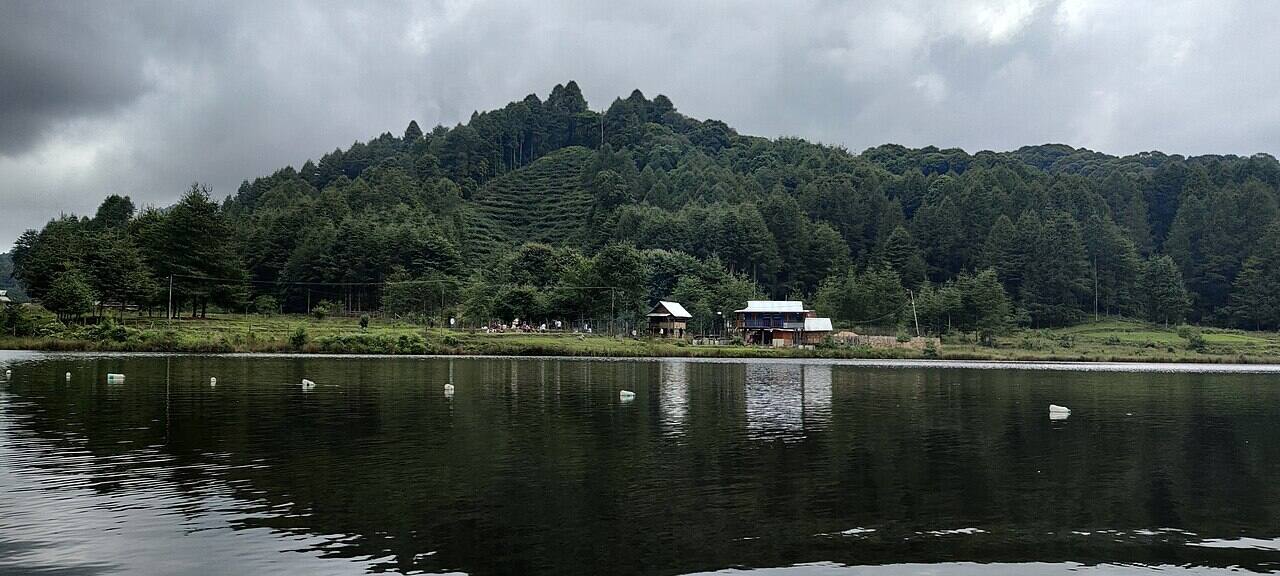
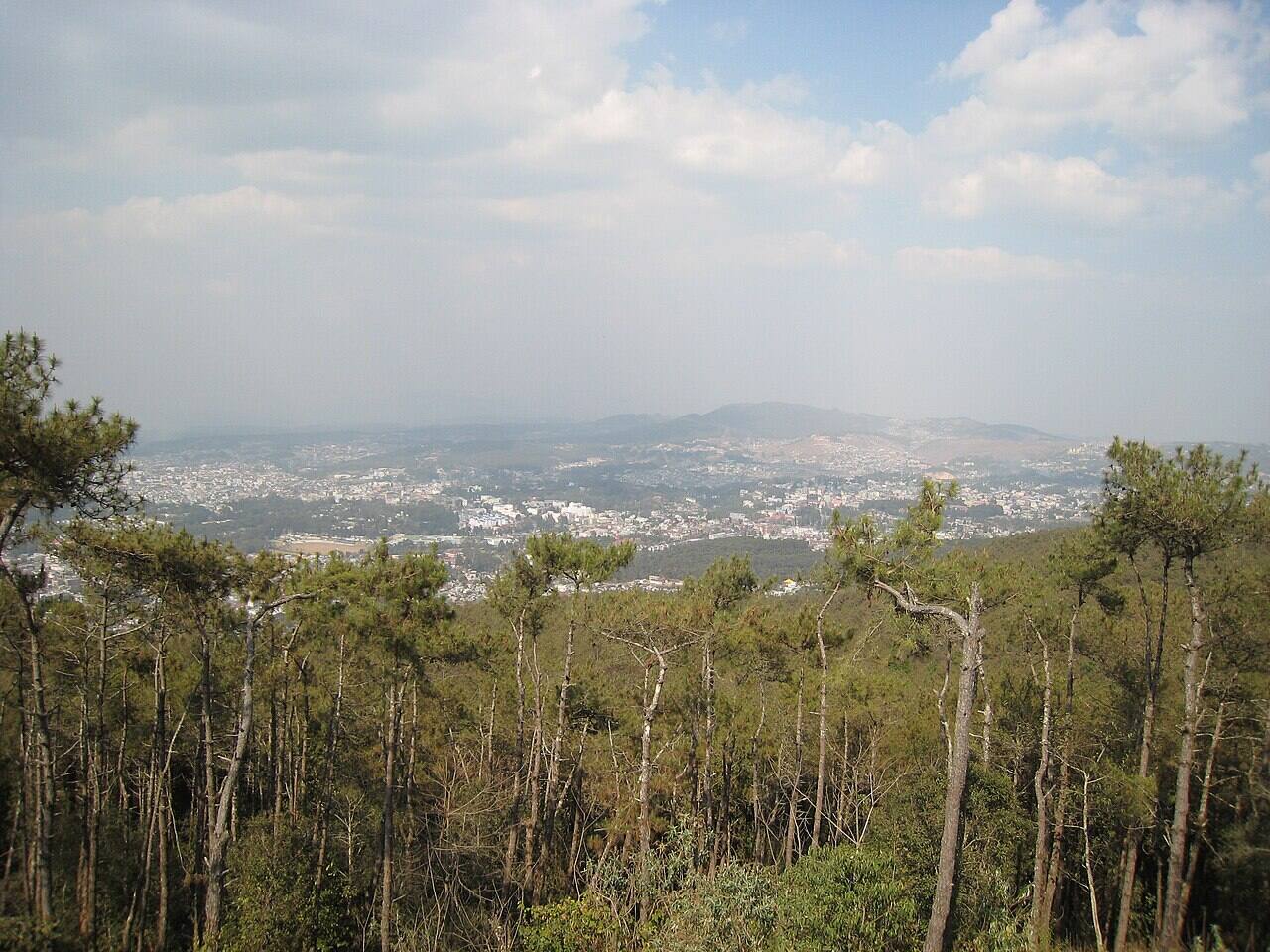
Siikhe Lake in ZiroZiro Valley landscapeView of Ziro Valley
Photos from Wikimedia Commons. Select a photo for its author and licence.
Best time to go
When
What to expect
March to May
Pleasant spring weather, roughly 15 to 28 degrees C by day, with fewer visitors than autumn. Myoko festival falls in mid-March.
June to August
Monsoon. The valley is very green, but heavy rain makes hill roads slippery and can cut off travel for a time. Dree festival is held in July.
September to November
The most popular season, with the music festival in late September. Rooms fill up fast at festival time, so book early and carry rain gear.
December to February
Cold. Sources report night temperatures below freezing, and one travel site advises avoiding late November to January.
Sights and activities
1
Apatani villages (Hong, Hari, Siiro)
Traditional Apatani villages surrounded by paddy fields where rice and fish are raised together. Many families run homestays here.
Arunachal state transport (APSTS) buses run from Itanagar to Ziro, reported as twice daily, for about Rs 100 to 200. Shared Tata Sumo taxis run from Naharlagun and North Lakhimpur. A night bus is reported from Guwahati, and a private taxi from Guwahati takes most of a day.
By train
Ziro has no railway station. The nearest is Naharlagun, near Itanagar, about 89 to 100 km away (about 4 hours by road). North Lakhimpur in Assam is about 112 to 117 km away. Overnight trains run from Guwahati to Naharlagun in about 8 hours.
By air
Ziro has no airport. Lilabari (North Lakhimpur) is about 123 km away and Jorhat is about 98 to 188 km away depending on the source. Itanagar's airport is also nearby. Most visitors fly into Guwahati and continue by road or rail.
Where to base yourself
Stay in Hapoli town for hotels and the market, or in a homestay in Apatani villages such as Hong, Hari or Siiro for village life.
Getting around
Shared Tata Sumo taxis are the main way around; They leave the Hapoli market stand when full and mostly stop around sunset. Fares are fixed and low
A taxi hired for the day is the easiest way to cover the villages, Kile Pakho and Talley Valley; agree the price before setting off.
Auto-rickshaws serve short trips around Hapoli.
Often combined with
Places people usually visit on the same trip, and how long it takes to get between them.
Best available hotel or resort (no true luxury hotels)
₹4,000 to ₹5,000
Food
Hapoli has small eateries and stalls serving momos, noodles and rice meals. Homestays usually cook for guests. One travel site advises eating at hotel or resort kitchens rather than street stalls.
Try these
Momo (steamed dumplings)
Thukpa (noodle soup)
Rice platter (rice with local side dishes)
Apong (local rice beer)
Local cooking leans heavily on meat and fish, so vegetarians should tell their homestay in advance.
Daily costs
Budget level
Stay per room
Food per person
Local transport
Budget
₹1,300
₹500
₹200 per person
Mid-range
₹3,000
₹900
₹2,000 per vehicle
Luxury
₹4,500
₹1,500
₹3,000 per vehicle
Per day. Travel to and from your city is added in the planner above.
Permits and documents
Indian citizens who are not from Arunachal Pradesh need an Inner Line Permit (ILP). Apply online at eilp.arunachal.gov.in; a tourist eILP covers stays of up to 14 days and children under 14 do not need their own if travelling with an adult. ILPs are also issued at Arunachal government offices in Guwahati, Kolkata, Delhi and elsewhere, and at facilitation centres such as Naharlagun railway station and Itanagar airport. Foreign nationals need a Protected Area Permit (PAP).
Safety
By day
Generally calm. Finish outdoor trips by about 4 pm, as it gets dark early in this part of India.
At night
Little transport runs after sunset; plan to be back at your stay before dark.
Solo women
Staying with a registered homestay family is a sensible choice.
Roads
Hill roads from the plains are narrow and winding; in the monsoon they turn slippery and landslides can close them for a time.
The valley floor is fairly flat, so village walks are manageable, but the long winding road trip and cold nights can be tiring.
Children
Suitable; children under 14 do not need their own ILP if with an adult. Pack warm clothes.
Wheelchair users
Difficult. Village paths, hill viewpoints and most homestays are not built for wheelchairs.
Unless a sight is described as accessible, assume it is not step-free.
Culture and responsible travel
Ziro is the home of the Apatani tribe, known for wet-rice farming with fish in the paddies, cane and bamboo craft, handloom weaving and village councils.
Older Apatani women may have facial tattoos and nose plugs, a custom stopped in the 1970s. Ask before taking anyone's photo.
Festivals include Myoko (mid-March), which marks friendship between villages, and Dree (July), held for a good harvest.
Buy local bamboo items and Apatani handloom, for example at the District Industries Centre in Hapoli.
Stay on paths at the edges of paddy fields and do not leave litter; the music festival itself promotes low-waste practice.
What to pack
Photo ID (Aadhaar, passport or driving licence); hotels and permits ask for it
Printed copies of your permit, with a few passport-size photos
Proper winter wear: a heavy jacket, thermals, gloves and a cap
Walking shoes with a good grip, a small daypack and a refillable water bottle
Clothes in earthy colours, a cap and binoculars for safaris
Some cash in small notes for autos, stalls and tips
Your regular medicines, plus basics for stomach upsets, headaches and cuts