Goa's busy northern coast: long sandy beaches, Portuguese-era forts, flea markets and nightlife.
FamousBeachHeritageCity
North Goa packs beaches, old forts, weekly markets and late-night clubs into a short stretch of coast, so little time is lost on travel. It suits groups of friends, couples and first-time visitors who want a lively beach holiday. People looking for quiet can head to the northern end around Morjim and Arambol.
Trip planner
Plan from your city
Photos
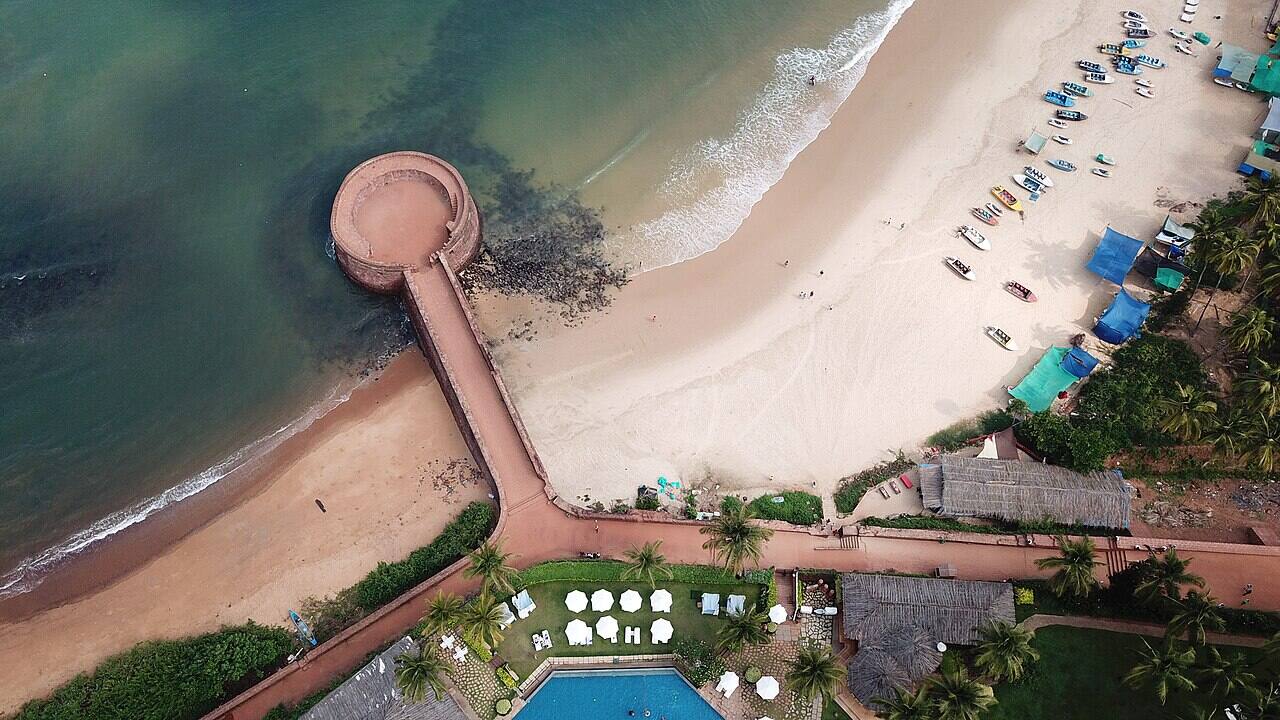
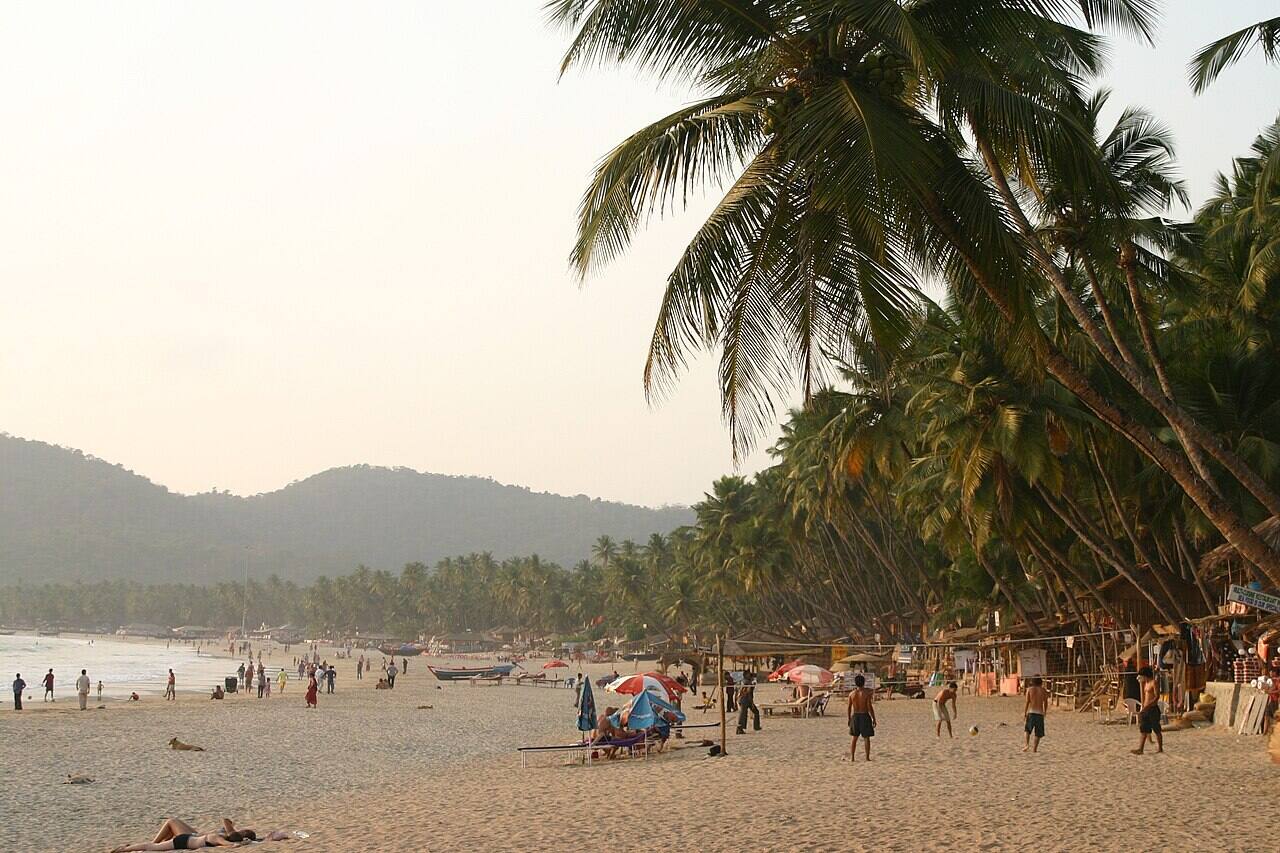
Fort Aguada seen from aboveFort Aguada at Sinquerim BeachThe walls of Chapora FortBeach below Chapora Fort, Bardez
Photos from Wikimedia Commons. Select a photo for its author and licence.
Best time to go
When
What to expect
November to February
Peak season with pleasant weather. Water sports and beach shacks are open, crowds are heaviest and prices are at their highest.
March to May
Hot and humid, which can be uncomfortable in the middle of the day. Fewer visitors and better value on rooms.
June to September
Monsoon. The cheapest time to visit, but beach shacks close and water activities are restricted.
October
The start of the tourist season as the rains end and beach businesses reopen.
Sights and activities
1
Calangute Beach
Described as the longest beach in North Goa, running from Candolim to Baga. It is lined with shacks, stalls and water sports operators.
A Portuguese fort completed in 1612 on a headland above Sinquerim Beach, built to guard the mouth of the Mandovi river. It has a lighthouse and wide sea views.
Distance
At Sinquerim, at the Candolim end of the base area; about 15 to 18 km from Panaji.
A beach of about 2 km known for its shacks and party scene. A large flea market selling clothes, jewellery and handicrafts is held at its south end on Wednesdays.
Distance
North of Baga; about 13 km from Panaji.
Entry
Free
Timings
Beach open all day; flea market Wednesdays from 8:00 am to evening
A ruined hilltop fort above the Chapora river with views over Vagator and Morjim beaches. It is widely known from the 2001 film Dil Chahta Hai and is popular at sunset.
Distance
Above Vagator; about 10 km from Mapusa and 18 km from Panaji.
Entry
Free
Timings
Open through the day; sources differ between always open and 10:00 am to 5:00 pm
A fort first built by the Portuguese in 1551 on the north bank of the Mandovi, facing Panaji. It has been restored and now works as a cultural centre and museum.
Distance
On the Mandovi river, about 2 miles from Fort Aguada.
Entry
50 rupees for adults, 25 for students, free for children under 8
Panaji's old Latin Quarter beside Ourem Creek, with narrow lanes of Portuguese-style houses. The white Church of Our Lady of the Immaculate Conception is in the city centre nearby.
Distance
In Panaji, about 15 km from Calangute.
Entry
Free
Timings
Streets open all day; the church is open 9:00 am to 12:30 pm and 3:30 pm to 7:30 pm
Overnight buses from Mumbai, Pune and Bengaluru stop at Mapusa and Panaji. Mapusa is about 9 km from Calangute.
By train
Thivim on the Konkan Railway is the nearest station, about 18 km from Calangute. Karmali, near Old Goa, is used by trains from Mumbai, and Madgaon is the largest station in Goa.
By air
Manohar International Airport at Mopa is the closer airport for the northern beaches; Dabolim airport is about 30 km from Panaji and further from the beaches.
Where to base yourself
Stay in the Calangute, Baga and Candolim belt for the widest choice of rooms and transport, or in Anjuna and Vagator for a quieter base near Chapora Fort.
Getting around
Rented scooters and motorbikes are the usual way to get around and start from about 300 rupees a day.
Local buses link Mapusa, Panaji and the beach villages for about 5 to 40 rupees a ride, but they are slow and often need a change at Mapusa.
A private cab for a full day of North Goa sightseeing (8 hours, 80 km) costs about 2,600 rupees for a sedan and 2,800 to 3,500 for an SUV.
Taxis are expensive for short hops; airport transfers by sedan cost about 1,000 rupees from Mopa and about 1,600 from Dabolim to Calangute or Baga.
Kadamba runs a bus from Mopa airport to Calangute for about 210 rupees, taking about 1.5 hours, with around five departures a day.
The Goa Miles app-based taxi service operates from the airport.
Often combined with
Places people usually visit on the same trip, and how long it takes to get between them.
Goan cooking mixes Konkani, Hindu, Portuguese and Catholic traditions and leans heavily on seafood. Most visitors eat at beach shacks, where a meal costs about 300 to 800 rupees; a sit-down restaurant meal for two costs about 1,000 to 2,500 rupees. Shacks close during the monsoon.
Try these
Xacuti (a spiced Goan curry)
Vindaloo (a sharp, spicy curry of Portuguese origin)
Seafood plates at beach shacks
Feni (a local spirit made from cashew)
Menus are seafood-focused, so vegetarian and Jain travellers should check with each restaurant.
Daily costs
Budget level
Stay per room
Food per person
Local transport
Budget
₹1,500
₹900
₹150 per person
Mid-range
₹4,500
₹1,800
₹500 per vehicle
Luxury
₹12,000
₹4,000
₹2,600 per vehicle
Per day. Travel to and from your city is added in the planner above.
Permits and documents
No permit was mentioned by any source for visiting North Goa's beaches and forts. Carry a photo ID for hotel check-in and vehicle rental.
Safety
By day
Some beaches have dangerous rip currents, marked with red flags. Do not swim where red flags are flying.
At night
The Baga, Calangute and Anjuna areas stay busy late because of clubs and bars.
Roads
Most visitors ride rented scooters.
Emergency numbers
112 (all emergencies)
Practical
Mobile network
All the main networks (Jio, Airtel, Vi and BSNL) work in town.
ATMs and cash
ATMs are easy to find in town. There is no ATM at Chapora Fort, so carry cash there.
Fuel
There are several petrol pumps in and around town.
Medical
Hospitals are easy to find across the city. In an emergency dial 112, or 108 for an ambulance in most states.