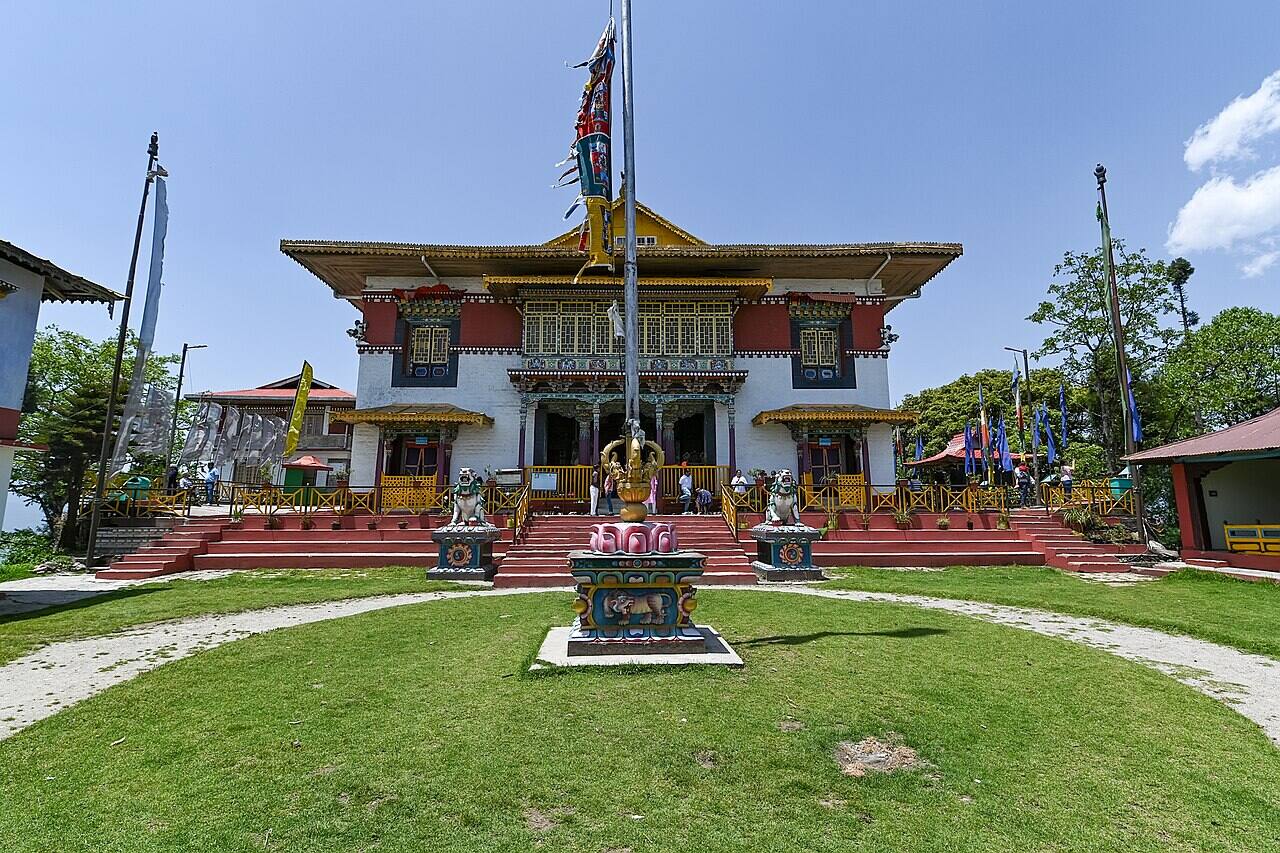
Mountain village in North Sikkim and base for the flower-filled Yumthang Valley and snowy Zero Point.
FamousMeadowSnowVillageRiver
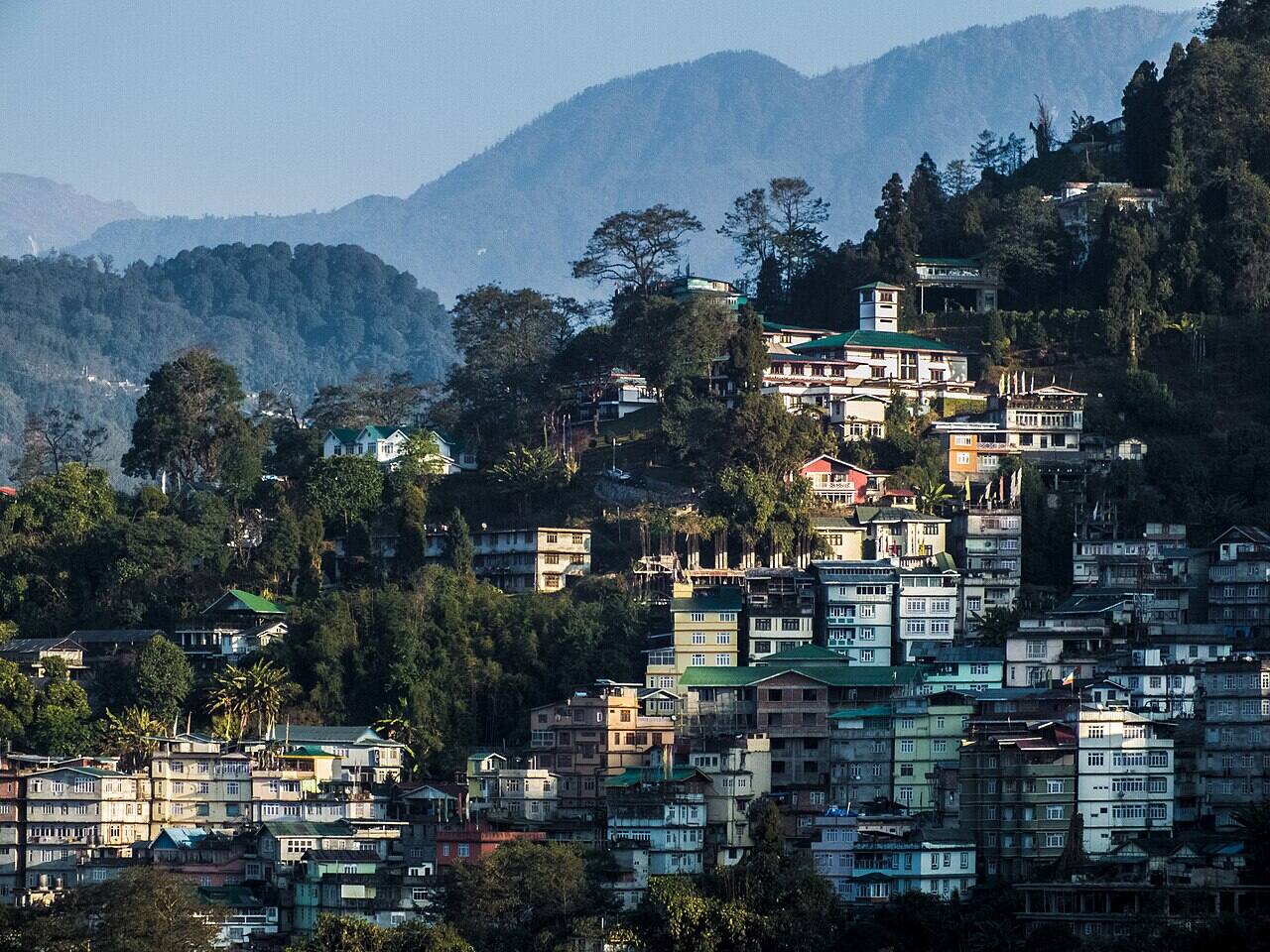
Lachung is a riverside village of orchards and wooden houses, and the only practical base for Yumthang Valley, a high meadow that turns red and pink with rhododendrons in spring and lies under snow in winter. It suits travellers who want big mountain scenery on a short guided trip from Gangtok and who can cope with long, rough drives and thin air.
Trip planner
Plan from your city
Photos
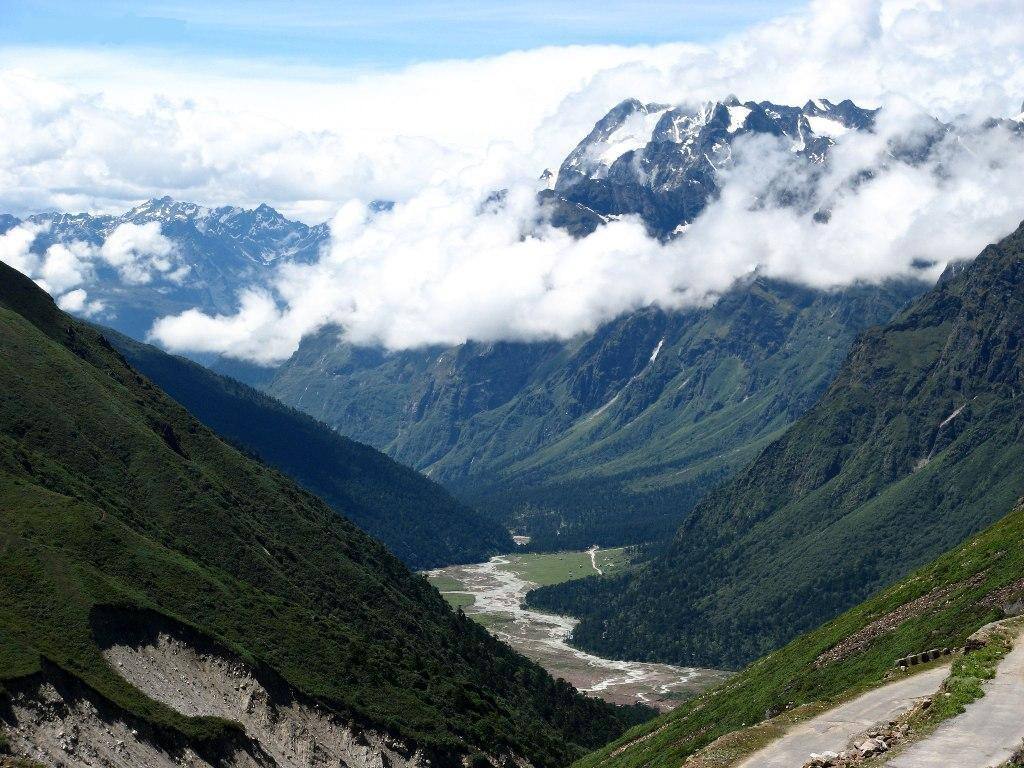
The Yumthang valley floorSnow peaks above YumthangOn the road up from Lachung
Photos from Wikimedia Commons. Select a photo for its author and licence.
Best time to go
When
What to expect
March to mid-June
The main season. Rhododendrons, primulas and poppies bloom, with the peak in late April and May. Days are cool, around 14 to 20 C in May and June, and nights are cold.
July to September
Monsoon. Landslides often block the North Sikkim road. In 2025 tourism was shut from May until 8 September after natural calamities, so check road status before booking.
October to November
Clear skies, fewer flowers and fewer visitors. A good time for mountain views.
December to February
Very cold with heavy snow at Yumthang and Zero Point. Good for snow, but the road can close after heavy snowfall, so keep spare days.
Sights and activities
1
Yumthang Valley
A wide high-altitude meadow at about 3,560 m on the Lachung river, known as the valley of flowers. Rhododendrons and primulas cover it in spring and snow covers it in winter.
Distance
About 25 km (around 1 hour) from Lachung
Entry
Free (covered by the North Sikkim permit)
Timings
Daylight hours only; aim to be back in Lachung by about 5:30 pm
Natural sulphur springs near the river, reached by a short walk and an iron bridge past prayer flags. There are separate huts for men and women and very few other facilities.
A protected forest of about 43 sq km set up in 1984, with more than two dozen rhododendron species including Sikkim's state tree. Peak bloom is late April and May.
The end of the motorable road, at about 4,600 m, among snowfields and bare peaks. Small stalls sell tea and instant noodles. It is very cold and the air is thin, so keep the stop short.
Distance
About 13-23 km beyond Yumthang (sources differ)
Entry
No entry fee found; the extra vehicle charge is about Rs 2,500-4,000 per vehicle
Timings
Early morning to early afternoon; road open only when weather allows
A walk through the village of wooden houses and orchards known for apples, peaches and apricots. A handicraft centre and the local market sell hand-woven rugs and blankets.
A small town where the Lachung and Lachen rivers meet to form the Teesta, with a monastery. It is the junction for Lachung and Lachen and a usual tea stop.
Reach Gangtok first by shared jeep or taxi from NJP, Siliguri or Bagdogra (about 3.5-4 hours). From Gangtok, Lachung is about 115-125 km up the North Sikkim Highway through Mangan and Chungthang, about 5-7 hours. Only Sikkim-registered tourist vehicles booked through registered operators may go beyond Gangtok; self-drive and outside cars are not allowed.
By train
There is no railway in Sikkim. The nearest major station is New Jalpaiguri (NJP), about 120 km from Gangtok and about 190 km from Lachung.
By air
Bagdogra Airport near Siliguri is about 125 km from Gangtok and about 195 km from Lachung. Pakyong Airport near Gangtok is closer, about 120-130 km from Lachung, but has fewer flights.
Where to base yourself
Stay in Lachung village, about 25 km below Yumthang; there is no accommodation in the valley itself.
Getting around
All sightseeing is by registered local SUVs; there are no public buses to Yumthang.
A shared jeep seat from Lachung to Yumthang Valley costs about Rs 200, and about Rs 200 more for Zero Point.
The Zero Point extension in a private vehicle costs about Rs 2,500-4,000 per vehicle on top of a Lachung package.
A private vehicle from Gangtok to Lachung and back costs about Rs 7,500-9,500, or up to about Rs 12,500 with Zero Point.
On the way
Worth a stop on the drive from Gangtok, the last stretch whether you arrive by train, bus or air. Stopping needs a taxi or your own vehicle; buses do not wait. Distances are by road.
1
Seven Sisters Waterfall
Tiered waterfall right beside the North Sikkim Highway, with a small roadside cafe. Strongest in the monsoon.
Homestays and simple guesthouses, often with meals
₹1,000 to ₹2,000
Mid-range
Mid-range hotels in Lachung village
₹3,000 to ₹5,000
Luxury
Boutique resorts and upmarket hotels
₹5,000 to ₹20,000
Food
Lachung has few restaurants, so most people eat at their hotel or homestay, usually on a full-board plan. Food is a mix of Sikkimese and Tibetan styles. At Yumthang and Zero Point, roadside stalls sell instant noodles for about Rs 50-80 and tea for about Rs 20-30.
Try these
Momo (steamed dumplings)
Thukpa (noodle soup)
Phagshapa (pork with radish and chilli)
Gundruk soup (fermented leafy greens soup)
Maggi and tea from stalls at Yumthang and Zero Point
Vegetarian meals are widely available in hotels.
Daily costs
Budget level
Stay per room
Food per person
Local transport
Budget
₹1,200
₹400
₹400 per person
Mid-range
₹4,000
₹800
₹3,500 per vehicle
Luxury
₹9,000
₹1,500
₹4,500 per vehicle
Per day. Travel to and from your city is added in the planner above.
Permits and documents
Indian visitors need a Protected Area Permit for Lachung, Yumthang and Zero Point. It is processed in Gangtok and issued only through registered tour operators, who usually arrange it with the vehicle; operators charge about Rs 200-500. Carry a government photo ID, copies and several passport photos, and apply 1-2 days ahead in peak season. Foreign nationals need a separate permit and must travel through an operator; sources disagree on whether they may go beyond Yumthang to Zero Point, so confirm with an operator.
Safety
By day
Generally safe. The main risks are altitude, cold and road conditions, not crime.
At night
Stay in Lachung after dark. Roads are unlit and rough, and travel is meant to finish by about 5:30 pm.
Solo women
Trips run through registered operators and shared vehicles with other tourists, which makes solo travel workable; book a known operator and hotel.
Roads
Narrow mountain road through Mangan and Chungthang with landslides in the monsoon and snow in winter. Checkpoint cutoffs apply on the return (in 2025, Sanklang bridge by 1 pm and Toong bridge by 2 pm). Closures can happen at short notice.
Emergency numbers
112 (all emergencies)
Practical
Mobile network
Mobile signal is weak and patchy in Lachung, and there is little or none at Yumthang and Zero Point.
ATMs and cash
No ATM in Lachung was confirmed. Carry enough cash from Gangtok, as digital payments are limited.
Fuel
Visitors travel in operator vehicles, so fuel is the operator's concern.
Medical
Facilities in Lachung are very basic. Carry altitude-sickness medicine and your own first aid. Serious cases go back to Gangtok.
Possible by vehicle, but the long rough drives and altitudes of 3,500-4,600 m at Yumthang and Zero Point are hard on older travellers; check with a doctor first and skip Zero Point if unsure.
Children
Families do visit, but young children are more at risk from altitude and cold. Keep high stops short and carry warm layers.
Wheelchair users
Not wheelchair friendly. Paths at the hot springs, monastery and viewpoints are uneven, and facilities are minimal.
Unless a sight is described as accessible, assume it is not step-free.
Culture and responsible travel
Lachung is a Buddhist village; walk clockwise around monasteries and prayer wheels and ask before photographing monks or locals.
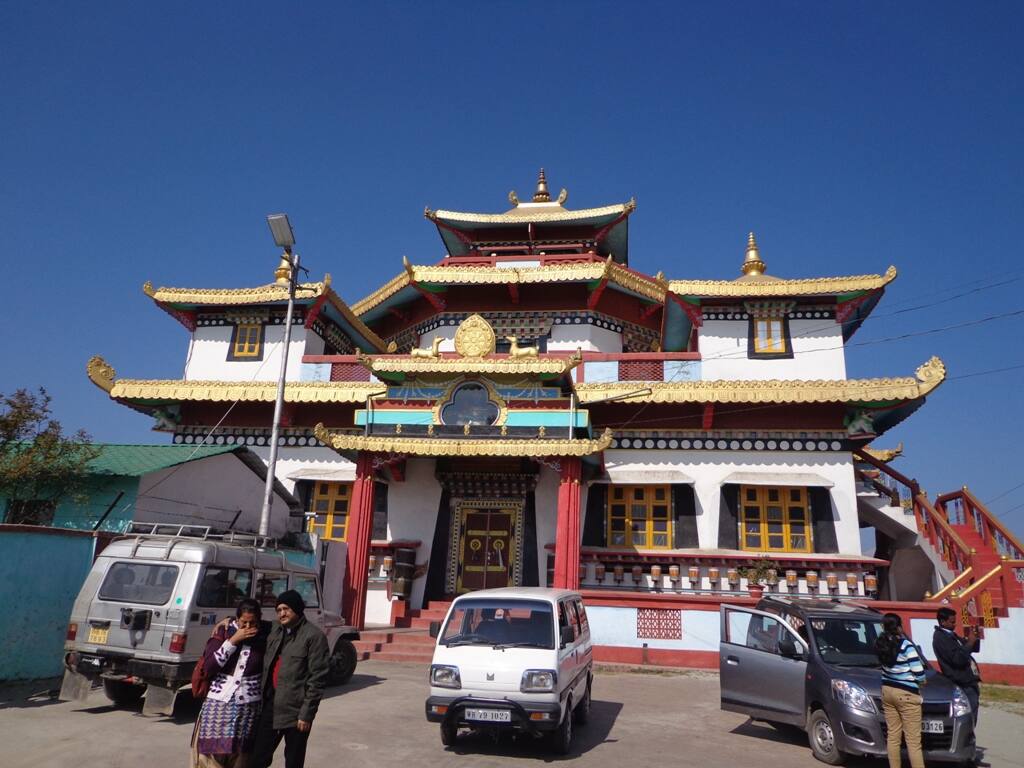
Losar, the Tibetan new year, is celebrated around late February, and the monastery hosts masked lama dances at its annual festival.
Drones may need official approval in this border area.
Carry your rubbish back; Yumthang is inside a protected rhododendron sanctuary, so do not pick flowers.
Respect checkpoint times and permit rules; this is a sensitive border zone.
What to pack
Photo ID (Aadhaar, passport or driving licence); hotels and permits ask for it
Printed copies of your permit, with a few passport-size photos
Proper winter wear: a heavy jacket, thermals, gloves and a cap
Waterproof shoes with grip if you go in the snow months
Walking shoes with a good grip, a small daypack and a refillable water bottle
Enough cash for the whole stay, a power bank and offline maps
Your regular medicines, plus basics for stomach upsets, headaches and cuts
Multi-stop trips that include Lachung and Yumthang Valley