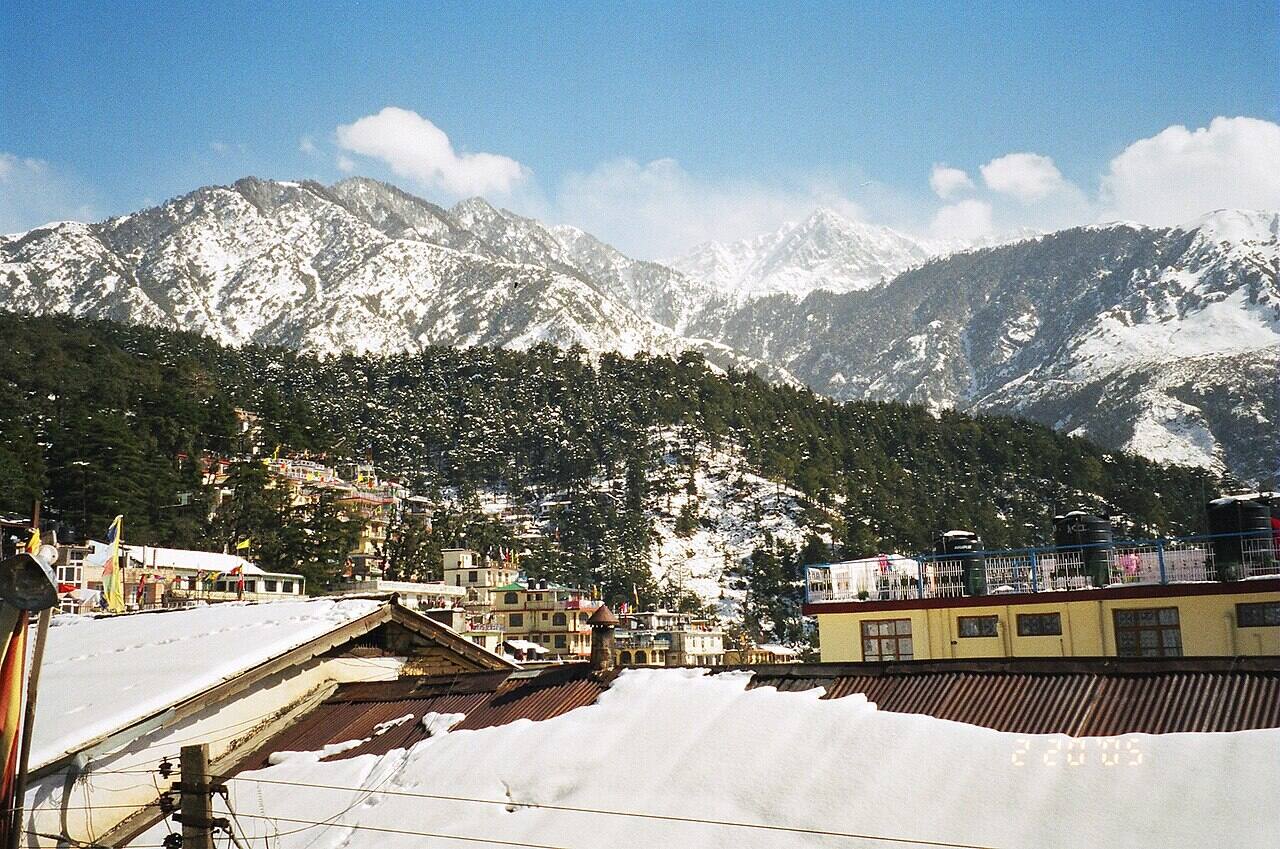
A quiet village on the Uhl river in Mandi district, known for trout, a reservoir and forest walks.
Lesser-knownRiverVillageTrekWildlife
Barot sits beside the Uhl river with a British-era hydel reservoir, a government trout farm and the Nargu Wildlife Sanctuary across the water. It suits people who want slow days of riverside walks, angling and short village treks rather than a busy hill station. Facilities are basic, so it works best for travellers who are comfortable with simple stays.
Trip planner
Plan from your city
Photos
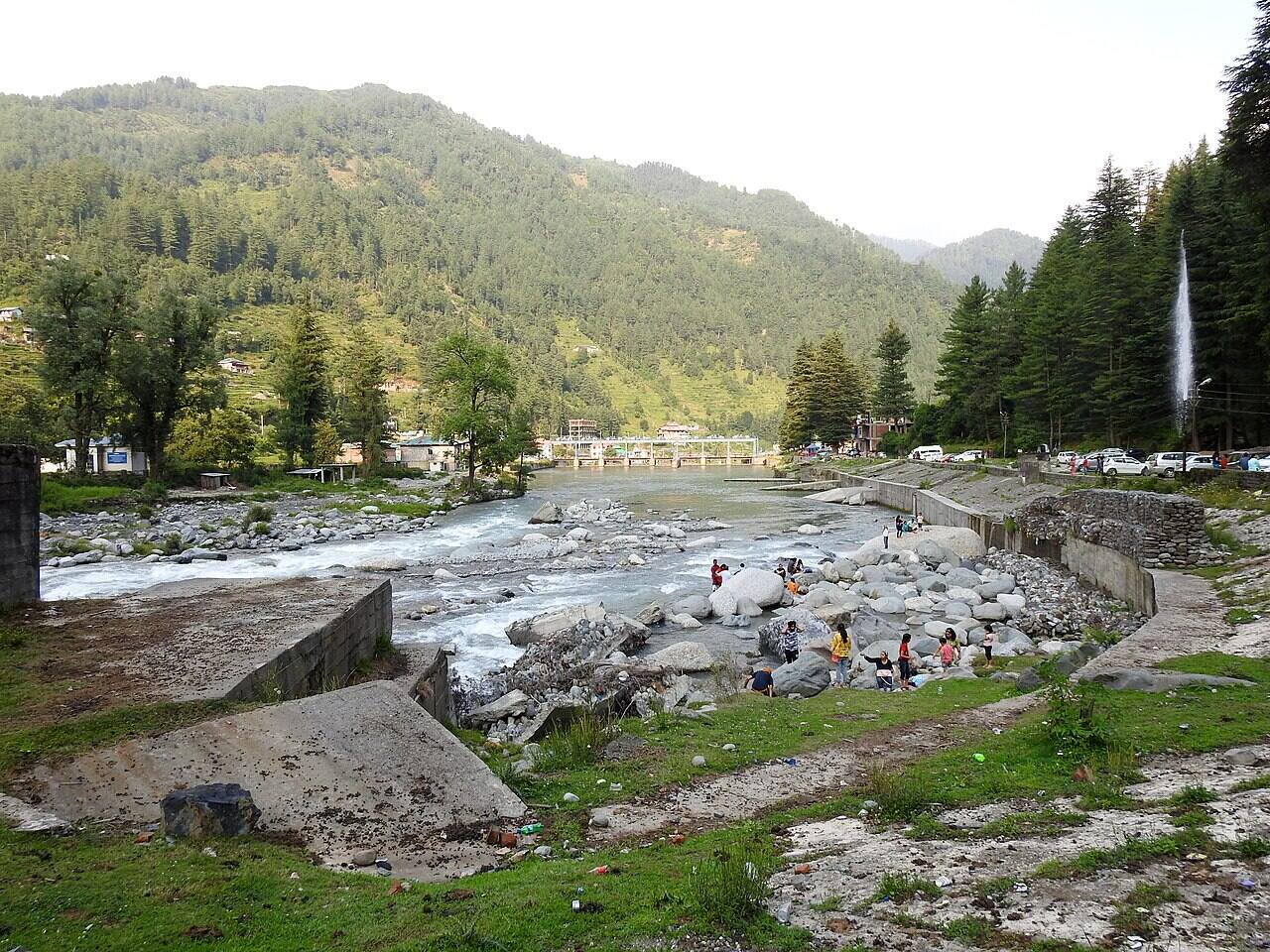
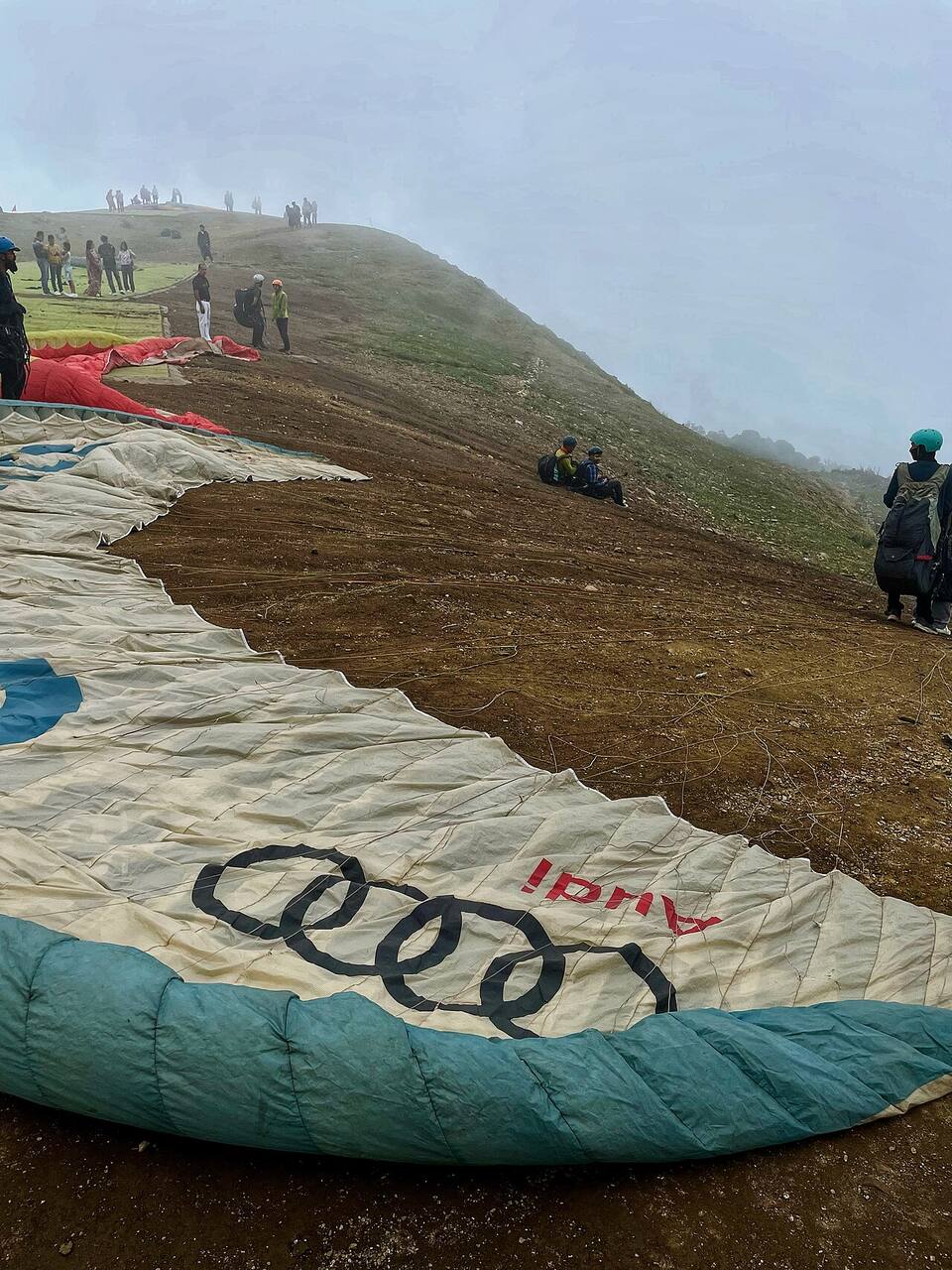
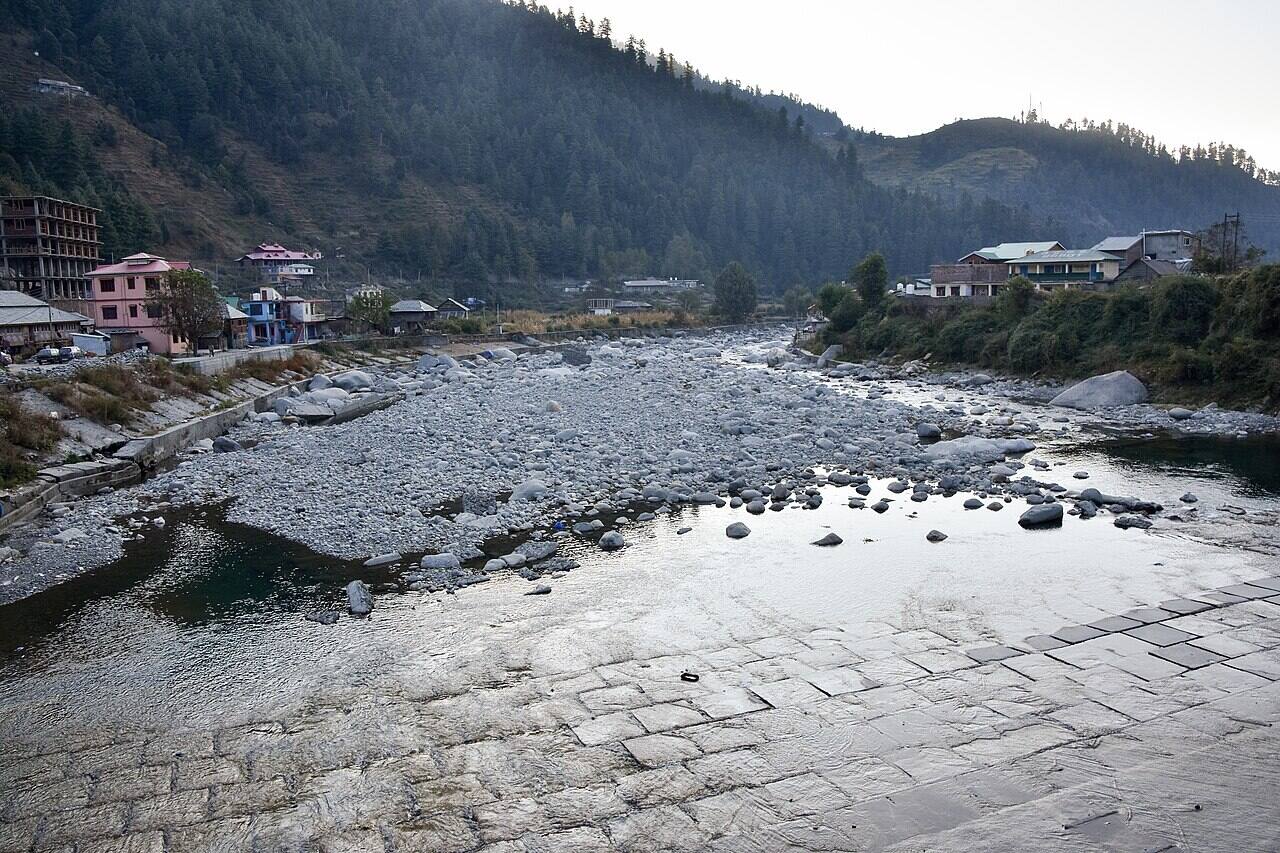
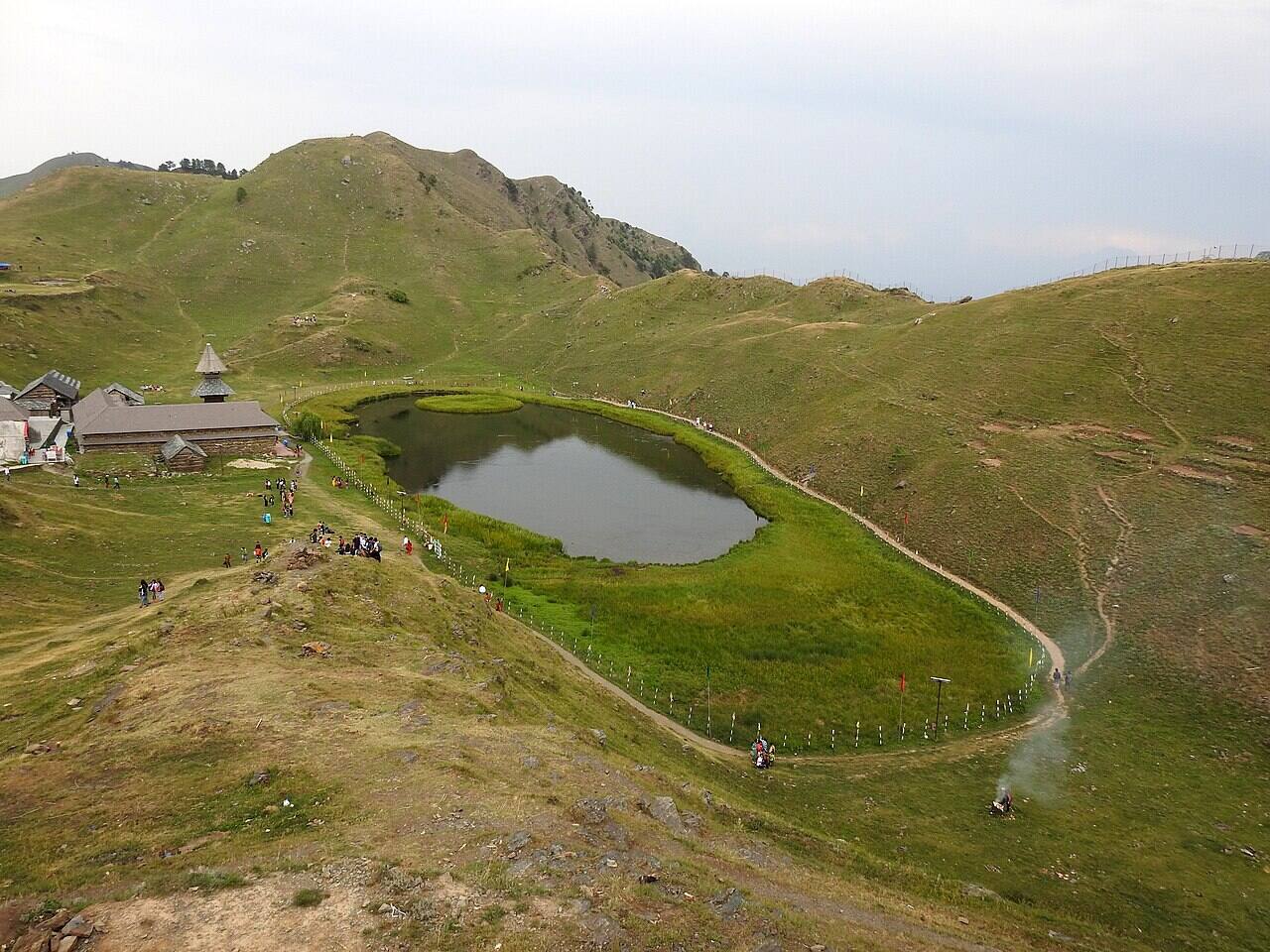
View of the Barot valleyThe Uhl river at BarotVillage life in Barot, Mandi district
Photos from Wikimedia Commons. Select a photo for its author and licence.
Best time to go
When
What to expect
March to June
Pleasant and the main season. Days are roughly 15 to 25 degrees C, and June can reach the high twenties. Good for walks and angling.
July to August
Monsoon. Heavy rain, landslide-prone roads and a swollen river. Best avoided on a first visit.
September to November
Clear weather after the rains and a good time for treks and river walks.
December to February
Cold, with January temperatures of about -2 to 5 degrees C and occasional snowfall. Last buses leave early.
Sights and activities
1
Uhl River and Barot reservoir
The river runs through the village and is held back by a barrage and reservoir built for the Shanan power project in the British period. A riverside trail of about 3 to 4 km runs from the village towards the dam.
A Fisheries Department trout breeding centre set up in 1959. Angling on the Uhl needs permission from the farm office; sources quote a daily fee of about Rs 100 to 300 per rod, with the season running roughly April to October.
The reservoir works of the colonial-era Shanan hydel scheme, linked to Jogindernagar by a 12 km haulage trolley line. The trolley is reported as not running for visitors, but the track and buildings can be seen.
A protected forest across the Uhl river, home to monal pheasants, ghoral and Himalayan black bear. There are forest rest houses at Thaltuckhod and Silbandhwari, and a forest department guide is advised.
A small village further up the valley at the end of the bus road, and the starting point for the Dehnasar Lake trek. Only BSNL is reported to work here.
There is no direct public bus from Delhi. Take a bus to Mandi (about 65 km from Barot) or Jogindernagar (about 40 km), then a local bus or taxi. The Barot road leaves the Mandi-Pathankot highway at Ghatasani, from where buses towards Lohardi and Baragran pass through Barot until late afternoon. Tour operators also run organised trips with transport included from Delhi, Chandigarh and Kangra; see Guided trips and packages below.
By train
Jogindernagar, the end of the narrow gauge Kangra Valley line from Pathankot, is about 40 km away. Pathankot is the nearest broad gauge station with wide connections.
By air
Gaggal (Kangra) airport is about 114 km away and Bhuntar (Kullu) airport about 123 km, according to the Mandi district site.
Where to base yourself
Stay in Barot village itself, near the river and the barrage, or in the adjoining Multhan side across the river.
Getting around
The village is small and most sights in Barot are reached on foot.
Local buses between Ghatasani, Barot and Lohardi run until late afternoon; Last buses leave around 4 pm, earlier in winter.
Shared taxis between Ghatasani and Barot cost about Rs 150 to 200 per person.
A hired local taxi for sightseeing costs about Rs 1,000 to 2,000 a day; agree the fare before starting.
Often combined with
Places people usually visit on the same trip, and how long it takes to get between them.
No government-run tour to Barot was found; the HPTDC adventure package that was checked covers Jogindernagar and Bir Billing but not Barot. Private operators do run trips with transport included, mostly from Delhi and usually combined with Bir or Rewalsar, lasting 4 to 6 days. Prices seen were about Rs 12,000 to Rs 18,000 per person, with March to June and September to November given as the main season.
Package tour of Barot Valley and Rewalsar with bus and car transport
Delhi
6 days / 5 nights
₹18,000 per person Per person, Delhi to Delhi, 2026 price as listed on the operator's site on 2026-10-04
Volvo bus Delhi-Mandi-Delhi, car for Mandi-Barot-Rewalsar, 2 nights hotel on double sharing and 2 nights in cottage tents, meals as per itinerary (as stated on the page)
Package tour of Bir and Barot with local transfers by car
Kangra or Chandigarh
4 days / 3 nights
₹15,900 per person Starting price per person, as listed on the operator's site on 2026-10-04; sharing basis not stated
Local transfers with driver, hotel and lodge stays, breakfast and some local meals, sightseeing entries; one day is spent in Barot (as stated on the page)
Checked online on 2026-10-04. A listing here is not a recommendation; we have no tie-up with these operators. Before you pay, check that the operator and its website are genuine, and confirm dates, price and what is included.
Where to stay
Budget level
Type
Price per night
Budget
Homestays and basic guesthouses, often with simple meals
₹600 to ₹1,500
Mid-range
Better guesthouses and riverside camps
₹2,000 to ₹4,000
Luxury
Premium riverside camps and small boutique stays
₹4,000 to ₹10,000
Food
There are only a few basic dhabas, so most visitors eat at their homestay or guesthouse. A meal costs about Rs 150 to 300 per person; a trout dish is about Rs 400 to 600 a plate.
Try these
Trout (river fish, fried or in curry)
Siddu (steamed stuffed wheat bun)
Madra (chickpeas cooked in yoghurt gravy)
Pahari aloo (hill-style potatoes)
Vegetarian home food is the norm at homestays and dhabas.
Daily costs
Budget level
Stay per room
Food per person
Local transport
Budget
₹1,000
₹400
₹150 per person
Mid-range
₹3,000
₹700
₹1,500 per vehicle
Luxury
₹6,000
₹1,200
₹2,000 per vehicle
Per day. Travel to and from your city is added in the planner above.
Permits and documents
No permit is needed to visit Barot, for Indian or foreign visitors. Angling needs a daily permit from the trout farm office. Carry a photo ID for hotel check-in.
Safety
By day
A quiet village with little crime reported. Take care on river banks, as the water is cold and fast.
At night
The village is dark and quiet after sunset, and there is no late public transport. Plan to be back at your stay by evening.
Solo women
A travel writer who went alone describes it as safe for solo women. Stay in an established homestay and avoid isolated trails after dark.
Roads
The road from Ghatasani is a narrow hill road with landslide-prone stretches, worst in the monsoon. Drive in daylight.
Emergency numbers
112 (all emergencies), 108 (ambulance)
Practical
Mobile network
Jio and Airtel 4G work in Barot village and BSNL is also reported reliable. Coverage is patchy beyond the village; only BSNL is reported at Lohardi.
ATMs and cash
No dependable ATM in Barot. A PNB ATM is reported at Tikkan village, about 12 km away. Carry cash from Mandi or Jogindernagar.
Fuel
No petrol pump in Barot. Fill up at Jogindernagar (about 40 km) or Mandi (about 65 km).
Medical
A primary health centre covers basic needs. For anything serious go to Jogindernagar or Mandi.
The village itself is fairly flat along the river and suits unhurried walks, but the approach is a long, winding hill road and medical care is limited.
Children
Fine for children who are comfortable with long road journeys. Watch them closely near the river and the barrage.
Wheelchair users
Paths are uneven and stays are simple, so expect little or no step-free access.
Unless a sight is described as accessible, assume it is not step-free.
Culture and responsible travel
The neighbouring Chuhar valley is treated as a no-tobacco zone; do not smoke there.
Local deities are taken seriously; dress modestly and follow instructions at village temples.
Litter is a known complaint from residents. Carry your rubbish back and keep the river banks clean.
Do not fish without a permit from the trout farm office.
What to pack
Photo ID (Aadhaar, passport or driving licence); hotels and permits ask for it
Proper winter wear: a heavy jacket, thermals, gloves and a cap
Walking shoes with a good grip, a small daypack and a refillable water bottle
Clothes in earthy colours, a cap and binoculars for safaris
Enough cash for the whole stay, a power bank and offline maps
Your regular medicines, plus basics for stomach upsets, headaches and cuts